
Last updated November 23, 2026
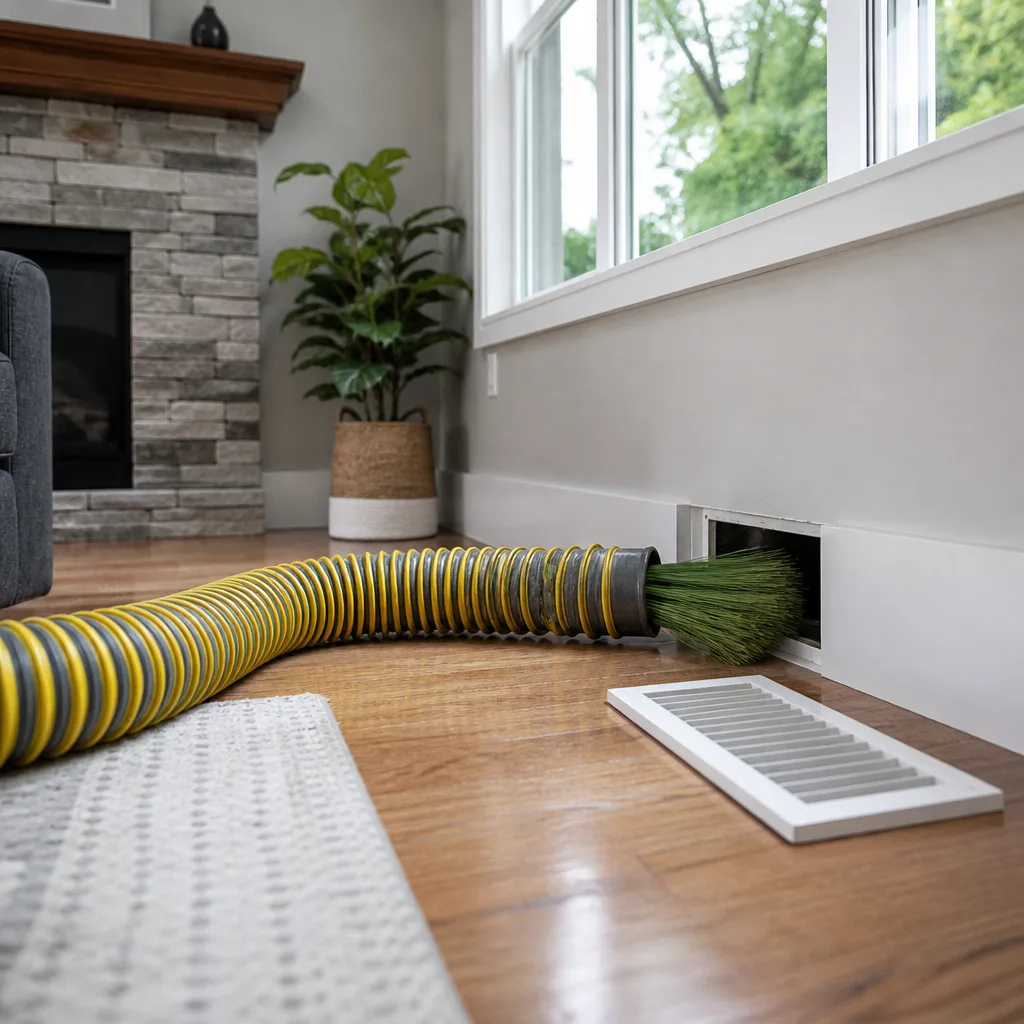 Whole-home duct cleaning
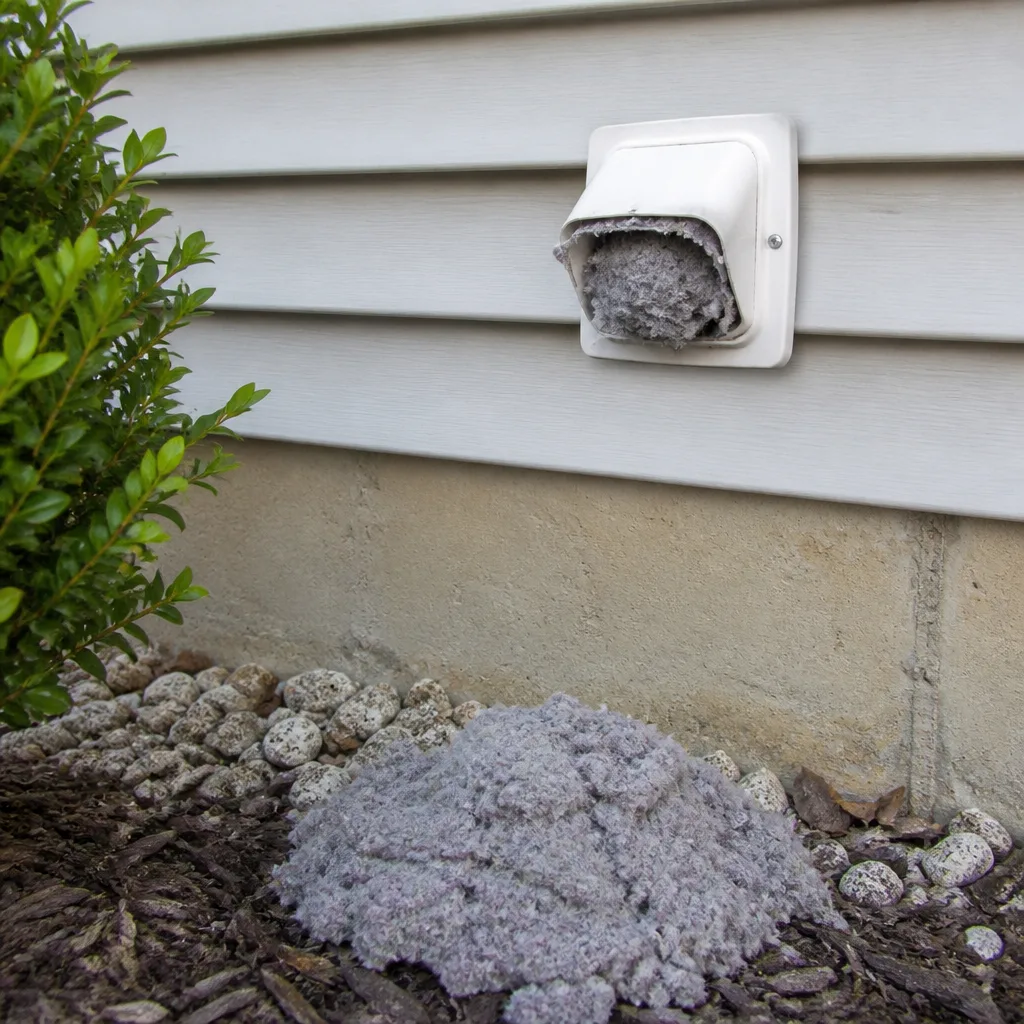 Dryer vent cleaning
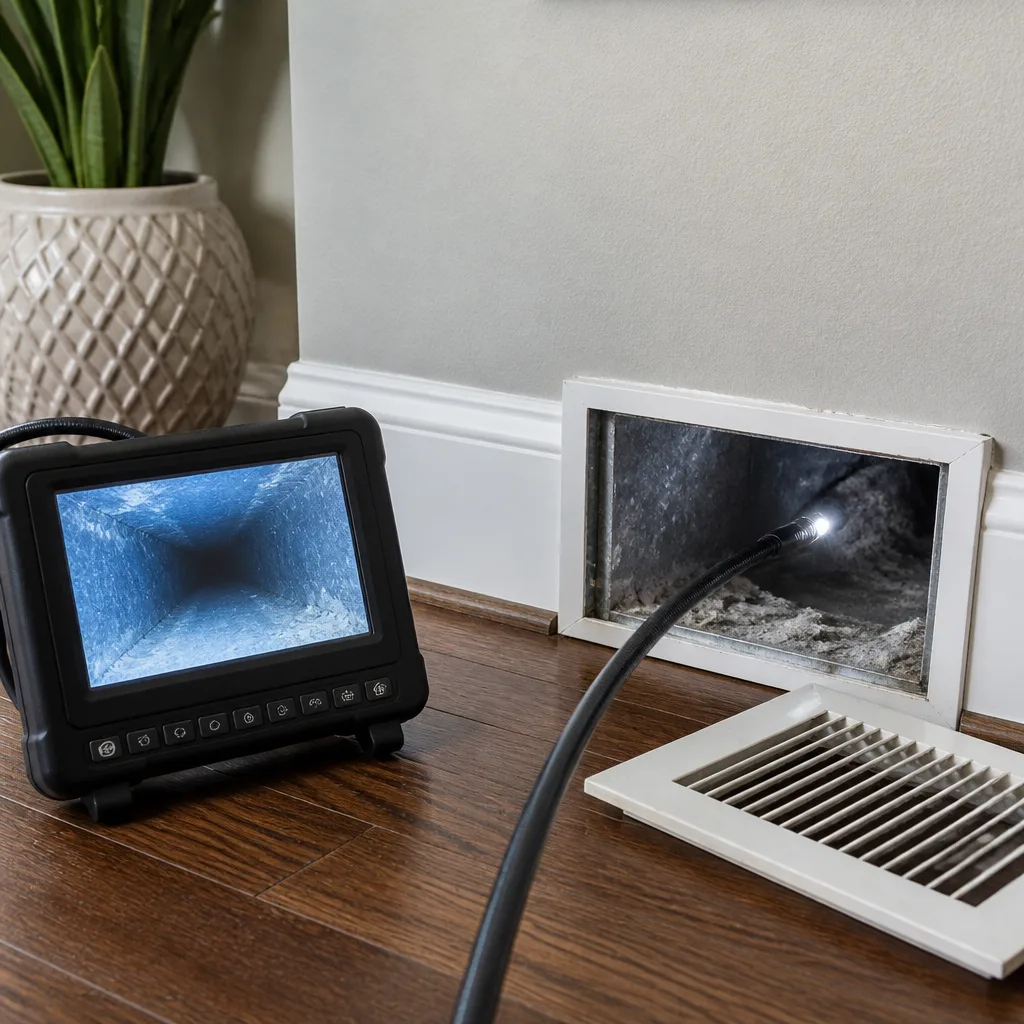 Camera inspection
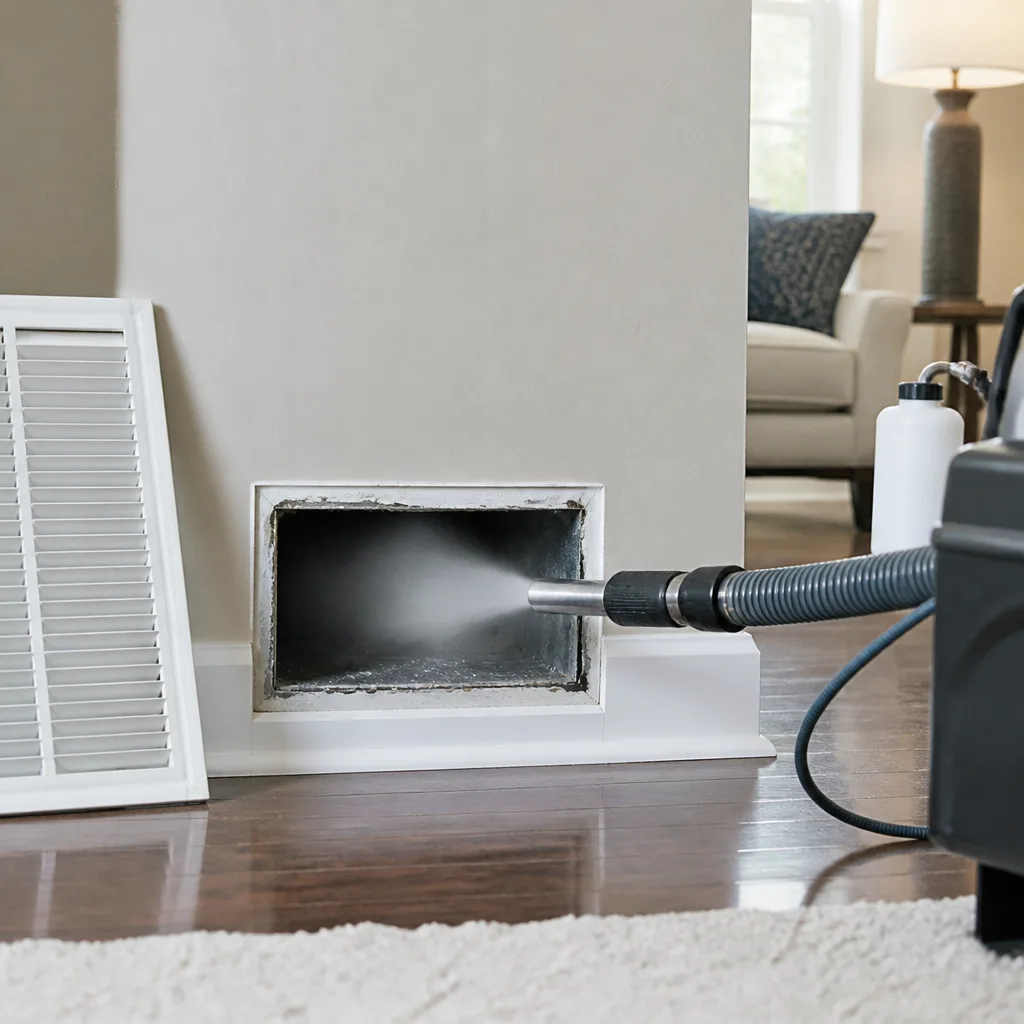 Sanitizing & deodorizing
Whole-system duct and dryer vent check with before-and-after photos - you see exactly what came out of your vents
That "$99 whole-house special" is a bait ad - the real number appears once they are in your hallway, or the "clean" is a shop-vac at the register. We photograph the inside of your ducts before and after instead.
Air Duct Cleaning Permits, Codes & Inspections in Brier Creek, NC: What You Need to Know
Most homeowners assume air duct cleaning is entirely unregulated maintenance, and for cleaning alone, that’s largely true. You can have the inside of your ductwork contact-cleaned and extracted without pulling a single permit. But here’s the part that surprises people in Brier Creek: the moment a technician finds disconnected duct sections, crushed flex duct, or a leaking air handler and proposes to repair, seal, or modify that ductwork, North Carolina’s mechanical code and Wake County’s permitting process become directly relevant to the job. This guide walks through exactly where that line sits, what the code says, what inspections you should expect, and how to protect yourself at resale.
Quick Answer
Routine air duct cleaning in Brier Creek does not require a permit from Wake County. Duct repair, replacement, and structural modification generally do, and they typically need a licensed mechanical contractor rather than a cleaning-only crew. If a technician proposes anything beyond cleaning and sanitizing, ask whether the scope is permit-exempt maintenance or permitted repair before you authorize the work.
Styles & brands we work with
- Whole-home duct cleaning
- Dryer vent cleaning
- Camera inspection
- Sanitizing & deodorizing
Table of Contents
- Where Does Cleaning End and Regulated Work Begin?
- What Does the North Carolina Mechanical Code Require for Ductwork?
- Who Has Jurisdiction in Brier Creek, and What Should You Verify?
- Is Duct Sealing With Mastic or Aeroseal a Permitted Activity?
- What Licensing Does NC Require for HVAC-Adjacent Mechanical Work?
- How Do You Get Documentation That the Work Was Permit-Exempt?
- What Happens at Resale if Ductwork Was Modified Without a Permit?
- What a Full-System Cleaning Visit Actually Involves
Where Does Cleaning End and Regulated Work Begin?
The cleanest way to think about it is this: cleaning removes contamination from an existing, intact duct system. Repair and modification change the physical system itself. The first is maintenance. The second is construction, and construction in North Carolina is generally permitted.
In our experience across Brier Creek and the surrounding Research Triangle area, the confusion happens in the middle. A technician pulls a register and finds a section of flex duct that’s come loose from a trunk line, or a run that’s been crushed behind drywall. Cleaning that duct as-is wouldn’t give you much, since half the supply air never makes it to the room. So the technician proposes to repair it. That repair is often the right call, but it may cross out of “cleaning” and into “regulated mechanical work.”
Common work that stays in permit-exempt maintenance territory:
- Contact cleaning of existing ductwork with an air duct cleaning system like Rotobrush
- Extraction of loose debris with professional equipment such as Nikro tools
- Sanitizing an intact system with an air-quality treatment
- Replacing a supply register or grille (a fixture swap, not a duct run)
- Cleaning a dryer vent cleaning run without altering its routing
Work that typically crosses the line:
- Replacing a section of flex or rigid duct
- Rerouting a duct run or adding a new supply or return
- Modifying the air handler cabinet or plenum
- Sealing major leaks with mastic or a sprayed sealant in some scopes
What Does the North Carolina Mechanical Code Require for Ductwork?
North Carolina’s mechanical code is based on the International Mechanical Code (IMC) with state amendments, and it governs duct systems as part of the mechanical installation. The code covers duct material, clearance, support, sealing, and connection integrity. It is not a rulebook for cleaning; it’s a rulebook for how ductwork is built and altered.
That distinction matters in Brier Creek because much of the housing stock was built in different phases, and duct systems vary widely. A duct run installed under one code cycle may not meet the current requirements for sealing or support. If a repair technician reconnects a duct, the reconnection is expected to meet the current code, not the code in force when the home was built. This is one of the reasons a licensed mechanical contractor is often necessary on a repair: the contractor is the party who knows which code cycle applies and can sign off on the resulting work.
Duct sealing under IMC rules generally falls into one of two buckets. Minor sealing at joints and terminals is common maintenance. Sealing an entire duct system, or sealing with a sprayed product that coats the interior, is treated differently and often requires the involvement of a licensed contractor. If a company proposes that kind of whole-system sealing, ask who is performing the work and whether it will be permitted.
None of this means duct cleaning companies are breaking rules. It means the scope matters, and it means the homeowner should know which box the work falls into before signing anything.
Who Has Jurisdiction in Brier Creek, and What Should You Verify?
Brier Creek sits within Wake County, and permitting for residential mechanical work runs through Wake County’s inspections office for unincorporated areas and through the city or town building department for properties inside municipal limits. Most of the Brier Creek area falls under one of those two authorities, and the split depends on exactly where the home sits. When in doubt, the homeowner can call the county or city building department with the property address and ask which office handles mechanical permits for that parcel.
Before authorizing any duct repair or sealing beyond cleaning, verify these items:
- Who will perform the work. Is it the cleaning crew, or a licensed mechanical contractor? Get the name in writing.
- Whether a permit will be pulled. Ask directly. A reputable contractor will tell you yes or no without hesitation.
- The contractor’s license type and number. North Carolina requires a specific license class for mechanical work. Ask for the license number and confirm it with the state licensing board.
- Whether the scope is described in writing. The written scope should say exactly what will be removed, replaced, sealed, or modified.
- Who will be responsible for the inspection. Permitted work requires an inspection sign-off. Ask who arranges it.
Property managers in Brier Creek should be especially careful here, because the sign-off responsibility falls to the property owner, not the tenant who called for service. If the repair isn’t permitted and inspected, the owner carries the exposure.
Is Duct Sealing With Mastic or Aeroseal a Permitted Activity?
Duct sealing sits right on the line where cleaning companies and licensed mechanical contractors often blur responsibilities, and this is exactly why homeowners should ask before authorizing it.
Sealing with mastic at joints, collars, and register boots is generally considered maintenance when done as part of a cleaning visit on an otherwise intact system. The work is restorative, the ducts stay in place, and the scope is limited. Whole-system sealing, and specifically sprayed interior sealants that coat the entire duct interior, is a different category. Sprayed sealant modifies the interior surface of the system and can affect airflow if applied incorrectly, so it’s usually treated as a mechanical alteration rather than a cleaning task.
The practical rule for a Brier Creek homeowner: if the sealing work is confined to visible joints and connections, mastic is generally fine as maintenance. If the proposal involves sealing the whole system, coating the interior, or addressing leaks that can’t be reached from a register, treat it as mechanical work and ask for the contractor’s license, the written scope, and whether a permit applies.
Our repair and sealing work is scoped to seal the leaks, not just clean the ducts, and we’re upfront about where a repair ends and where a licensed mechanical contractor needs to take over. If we surface a duct repair issue, we tell you which side of the line it falls on so you can decide how to proceed.
What Licensing Does NC Require for HVAC-Adjacent Mechanical Work?
North Carolina separates licensing for mechanical contractors from the general contractor license class. Duct repair, replacement, and modification generally fall under mechanical contracting, and mechanical work in this state requires a license from the state licensing board. Cleaning companies that perform structural duct repair without that license are operating outside their scope, and homeowners who authorize the work carry the risk.
This is worth saying plainly: cleaning and sanitizing do not require a mechanical license, because they don’t alter the system. The moment the work changes the system, the license question becomes real. If a cleaning company proposes a flex duct replacement, a plenum modification, or a rerouted run, ask for the license. If they don’t have one, the work should be handed to a licensed mechanical contractor.
Our position on this is simple. We clean, sanitize, and seal at the maintenance level with professional equipment (Rotobrush contact cleaning and Nikro extraction), and we offer duct repair and sealing when the scope stays inside what we’re set up to handle safely. When a job moves into territory that requires a licensed mechanical contractor, we say so. That’s the boundary that protects the homeowner at resale and protects the home’s indoor air quality from a repair that doesn’t meet code.
How Do You Get Documentation That the Work Was Permit-Exempt?
A written record is your protection at resale. Even when work is permit-exempt, a resale disclosure or a buyer’s home inspection can trigger questions about any duct modification, and the seller needs something to point to. Here’s what to ask for and how to keep it clean.
- Request a written scope. It should describe exactly what was cleaned, what was sealed, and what, if anything, was repaired or replaced.
- Ask for a permit-exempt statement in writing. A simple letter on company letterhead stating that the work performed was cleaning and sealing only, and that no structural modification was made, is usually enough.
- Photograph the work. Before-and-after photos of the ducts give you a visual record tied to the service date.
- Keep the invoice and the scope together. Store them with your home records, not in a drawer that will be forgotten by the time you sell.
- If work was permitted, keep the inspection card. The county inspection sign-off is the strongest documentation you can hold onto.
We provide written scopes and before-and-after photos of your own ducts on every cleaning, and we can supply a permit-exempt statement for cleaning-only work in Brier Creek when it’s needed for a real estate transaction. That’s part of what a professional-grade cleaning job should include.
What Happens at Resale if Ductwork Was Modified Without a Permit?
In most cases, nothing happens immediately. Then the home inspection happens, and the inspector notes a duct repair that wasn’t disclosed, or a plenum modification that doesn’t match the original drawings, and the buyer’s agent asks for documentation. At that point, the seller either produces a written scope and a permit-exempt statement, or they’re on the defensive.
Wake County’s inspection office can confirm whether a permit was ever pulled for the property. If the answer is no, and the work qualifies as permitted repair, the seller may need to have the work brought up to code or disclosed to the buyer, and either path costs money. A Brier Creek homeowner selling a property with a modified duct system should expect the question and have the paperwork ready.
The safest path is the simplest one: before any repair or sealing work beyond cleaning, confirm whether a permit is needed, and get the answer in writing. That single step prevents a problem that may not surface for years.
What a Full-System Cleaning Visit Actually Involves
Since cleaning is the permit-exempt baseline, it helps to know what a proper cleaning visit looks like so you can tell routine maintenance from something that isn’t. Our technicians have up to 12 years of experience, and the process we use on every job follows professional standards from intake to output.
- Inspection. We open the system, inspect the duct interior, and check the air handler, plenum, and visible connections for detached or damaged sections.
- Contact cleaning. Rotobrush tools agitate the duct walls mechanically, breaking loose the material that a vacuum alone would leave behind.
- Extraction. Nikro professional HVAC extraction equipment pulls the loosened debris out under negative pressure, so it doesn’t spread into the living space.
- Sanitizing. When appropriate, an air-quality treatment is applied with Abatement Technologies equipment, using Guardsman-grade protective treatments as part of the sanitizing process.
- Filtration check. We’re familiar with Honeywell and Aprilaire air quality systems, so we can check that filtration is working alongside the cleaning rather than fighting it.
- Reporting. Before-and-after photos, a written scope, and a clear recommendation if anything we find needs a licensed mechanical contractor before it can be addressed.
If your system also needs HVAC cleaning at the air handler, that’s handled in the same visit so the whole air pathway is addressed together.
Common Mistakes to Avoid
- Assuming a cleaning company can repair ductwork. Cleaning and repair are different scopes, and repair usually requires a licensed mechanical contractor. Ask for the license before you authorize structural work.
- Authorizing a duct replacement on the spot. A technician who proposes duct replacement during a cleaning visit should be able to explain why, put it in writing, and tell you whether a permit applies. Anything short of that is a pressure sale.
- Skipping documentation at resale. Brier Creek has steady turnover, and buyers here ask for paperwork. If the ductwork was modified without a written scope, the seller carries the exposure.
- Confusing whole-system sealing with maintenance. Mastic at visible joints is a routine part of cleaning. Sprayed interior sealant is a mechanical alteration and should be treated as one.
- Accepting a quote that doesn’t identify the scope. “Seal the ducts” is not a scope. The written estimate should say which connections, which runs, and what material will be used.
- Letting a cleaning crew pull a permit on someone else’s behalf. The permit is tied to a licensed contractor. If the work needs a permit, the contractor on record should be the one pulling it.
- Ignoring the air handler connection. A duct system that’s clean at the trunk but leaking at the plenum isn’t fixed. Alerting the homeowner to that connection point is part of the job.
See the difference
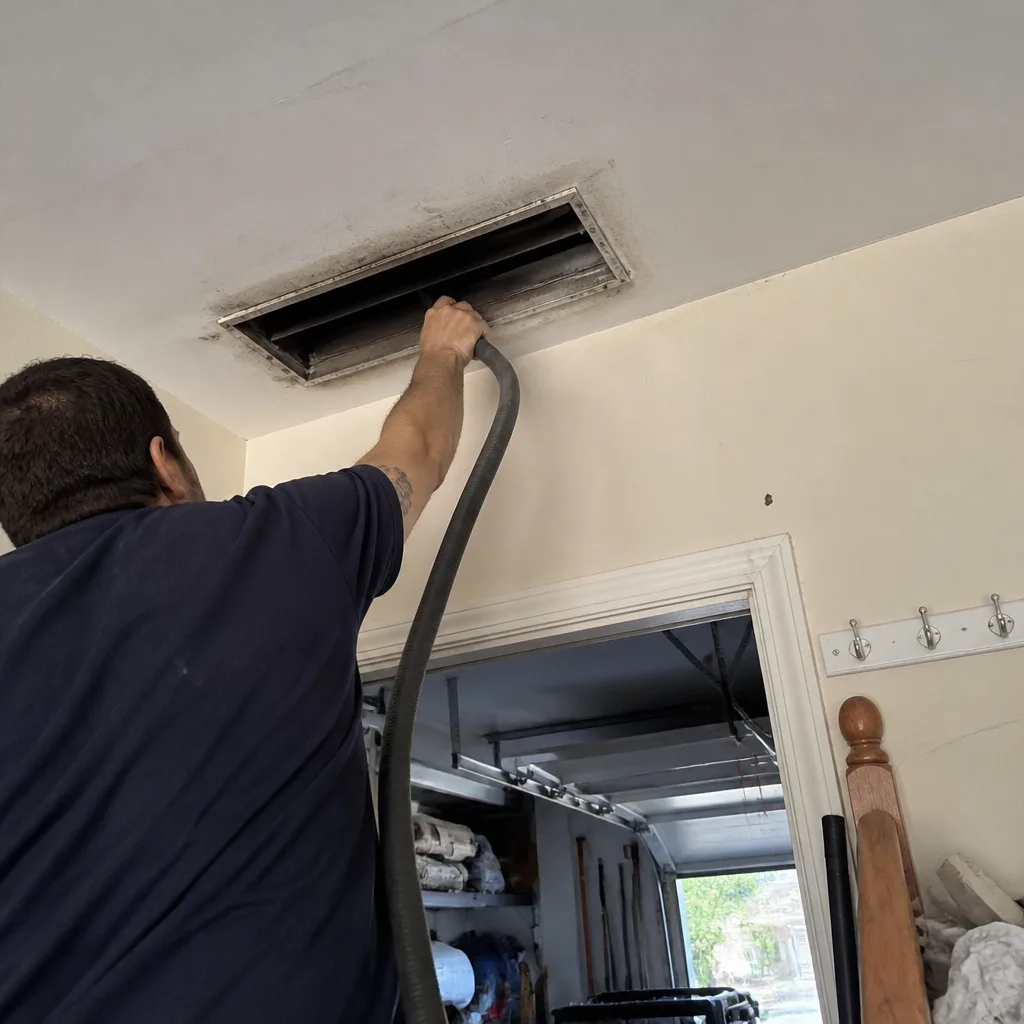 Before
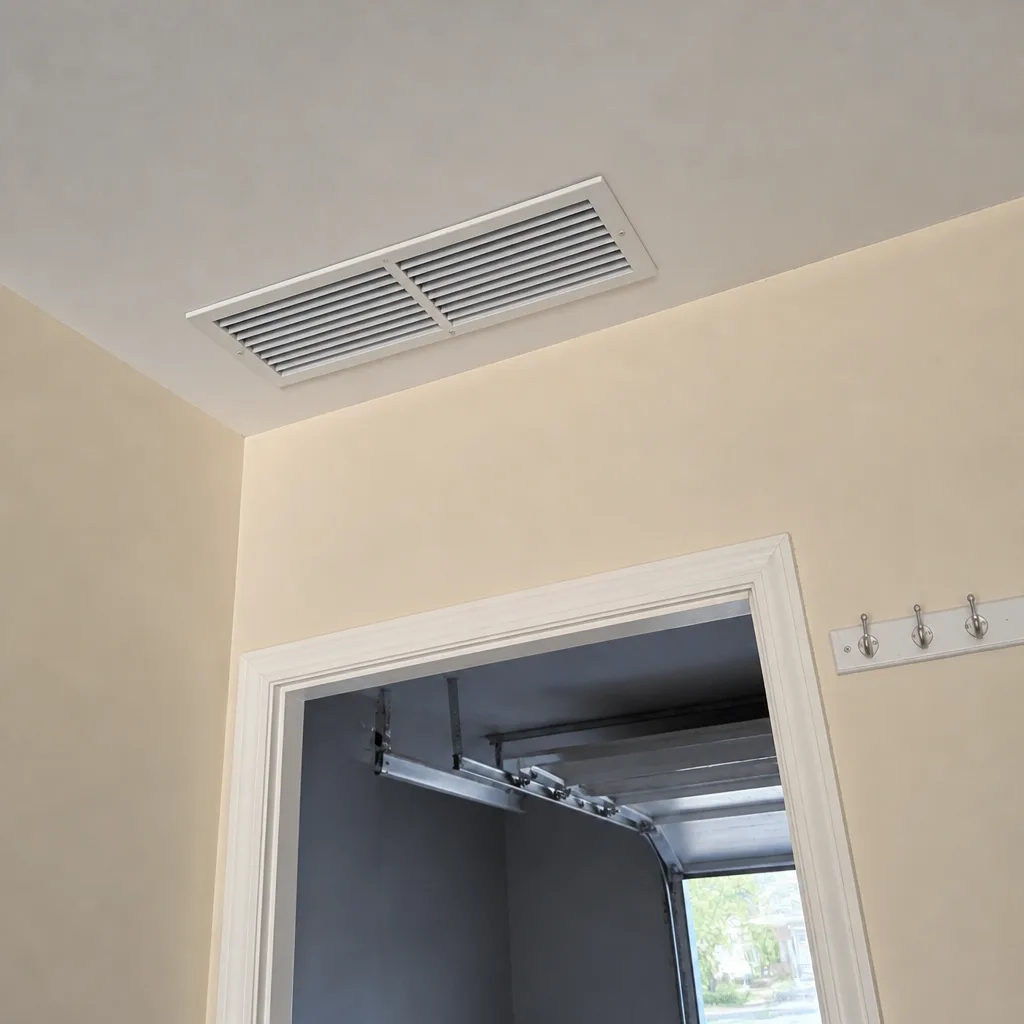 After
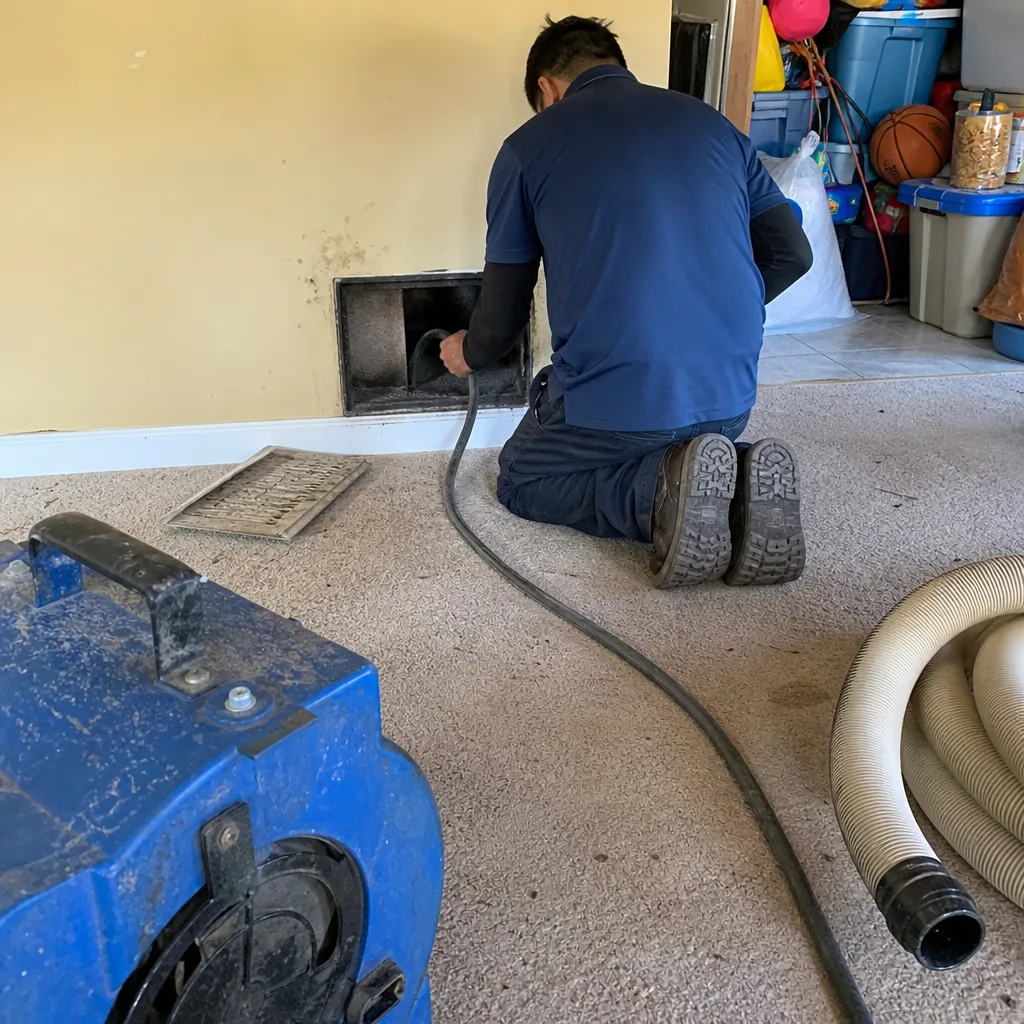 Before
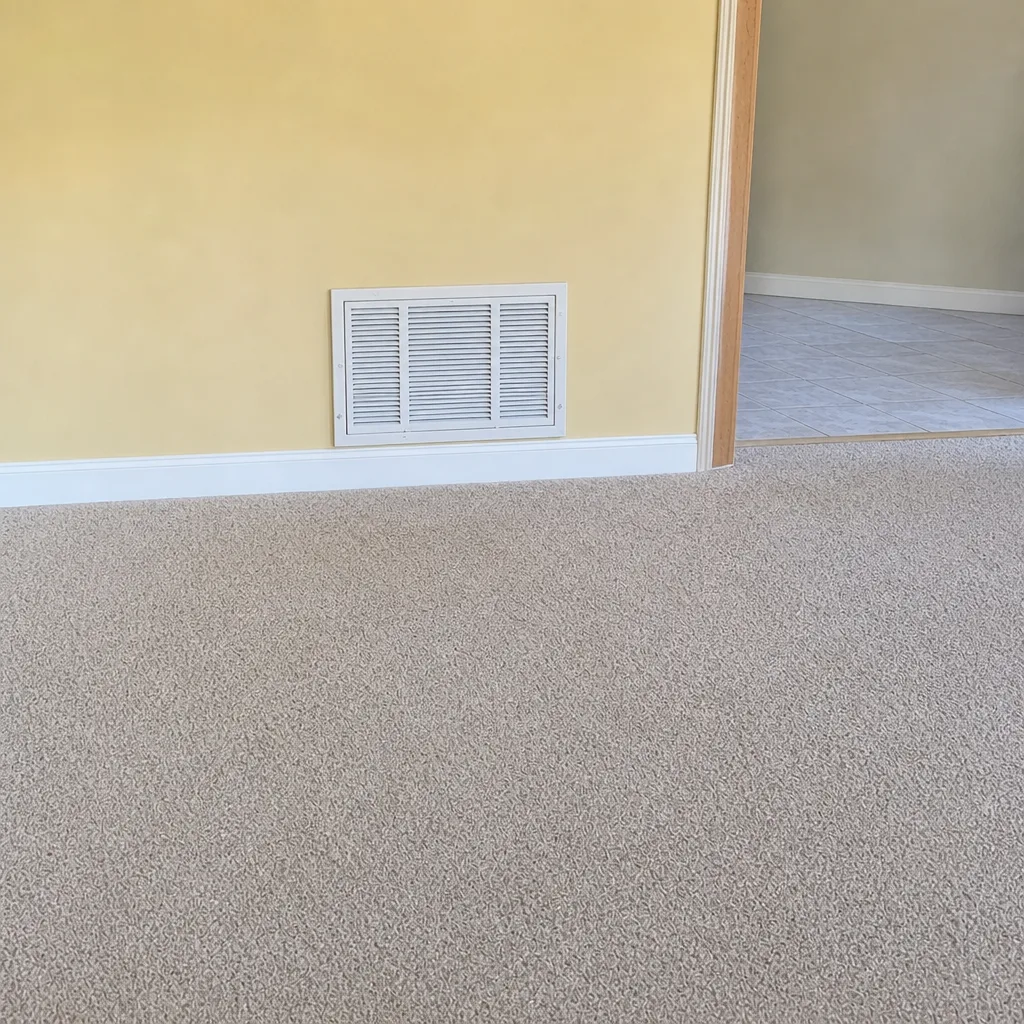 After
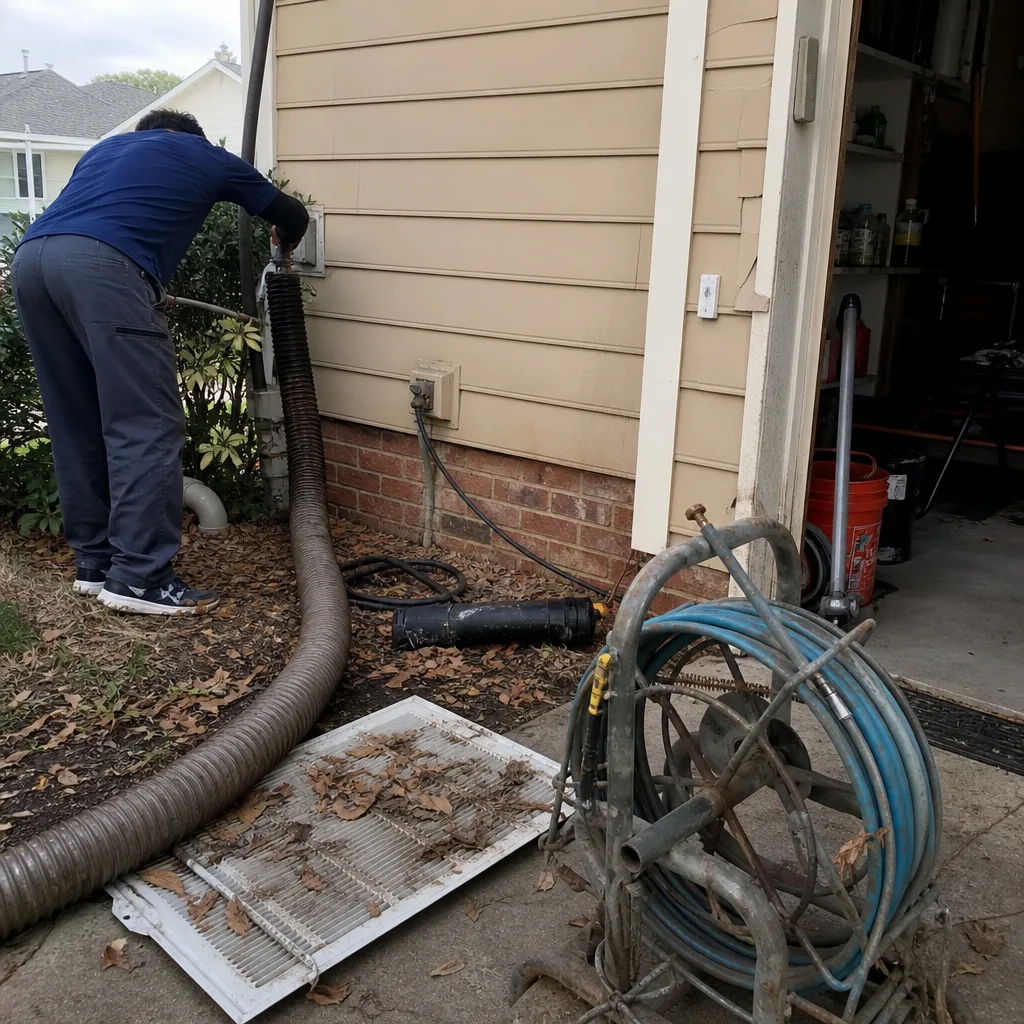 Before
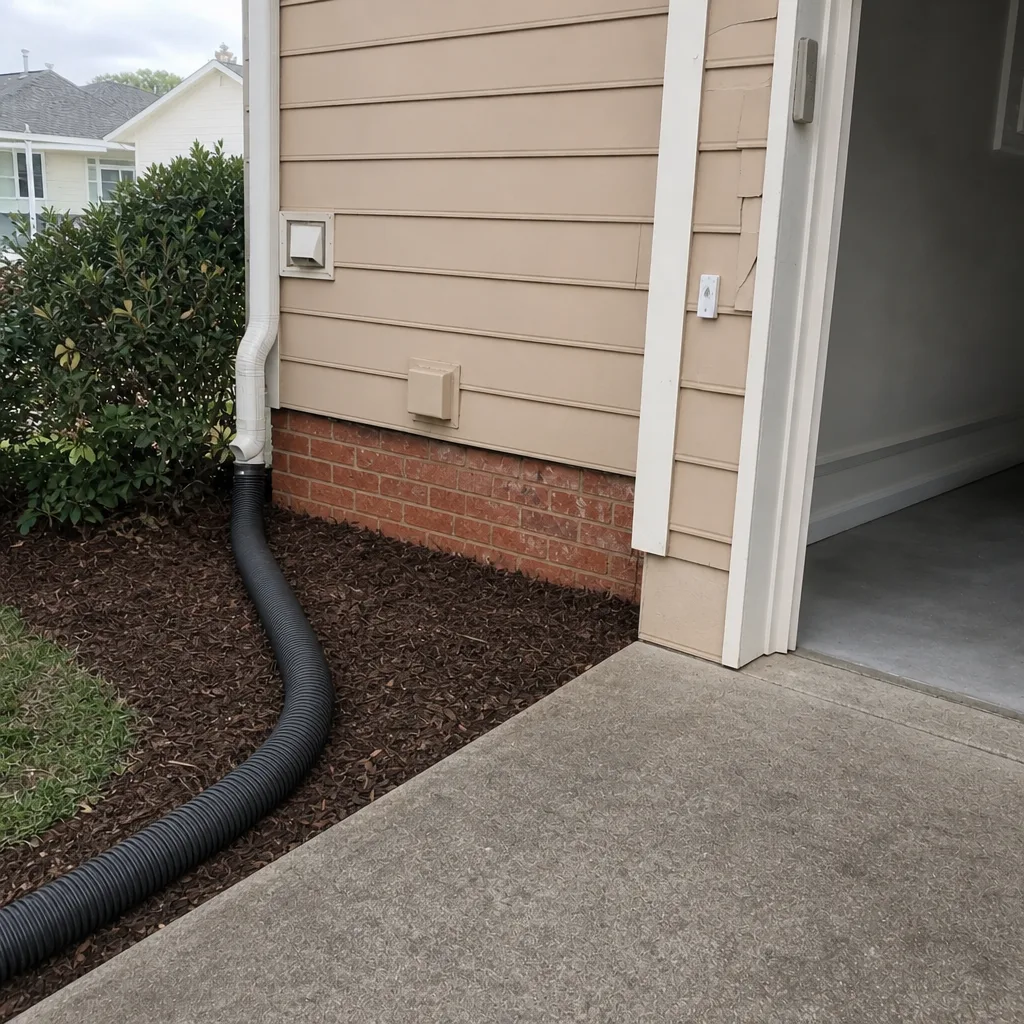 After
When to Call a Professional
Call when you notice uneven airflow between rooms, a musty smell from the supply registers, visible dust around the return grille, or an unexplained jump in your energy bill during cooling season. Each of those can point to a duct problem rather than a filter problem. Call also if a previous cleaning job ended with a recommendation for duct repair or sealing and you weren’t given the license, the scope, or the permit status in writing. And call if you’re preparing a Brier Creek home for sale and need documentation that the ductwork was cleaned and left intact. Air Duct Cleaning Brier Creek offers free estimates in Brier Creek; call (833) 509-3460. We answer 24/7. Fast dispatch from 7am to 7pm, Sunday through Friday.
Frequently Asked Questions
No. Routine air duct cleaning in Brier Creek doesn’t require a permit from Wake County or the city, because cleaning doesn’t modify the duct system. If the work extends into duct repair, replacement, or whole-system sealing, a permit may apply and a licensed mechanical contractor may be needed. Call (833) 509-3460 for an exact quote; estimates are free.
Pricing is set per job by the written estimate, based on the number of systems, accessibility, and the condition of the ductwork, so there’s no honest single number to quote before the system is inspected. Be wary of teaser prices that grow once the technician is on site. Call (833) 509-3460, estimates are free, and the written estimate is what you’ll pay.
The county inspection for a permitted duct repair focuses on whether the reconnection, sealing, support, and clearances meet the current mechanical code, not on cleanliness. The inspector is verifying that the altered ductwork is built correctly and won’t compromise the system. If your contractor can’t tell you who will be responsible for that inspection, that’s the first question to settle. Call (833) 509-3460 to schedule an assessment, estimates are free.
Cheap quotes usually mean less equipment, less time, and fewer steps, often a vacuum at one register rather than contact cleaning of the whole system. Rotobrush and Nikro equipment takes time to run properly, and the labor is what drives the cost. We agree one flat price per system before work starts, and we give you before-and-after photos of your own ducts so you can see what was done. Call (833) 509-3460 for an exact quote, estimates are free.
Ask for before-and-after photos of your own ductwork, a written scope, and a summary of what the technician found. Photos taken inside the ducts before and after cleaning are the clearest evidence, and they’re also useful documentation if you later sell the home. We provide all three on every cleaning. Call (833) 509-3460 to set up an estimate, it’s free.
No. You never have to authorize a repair on the spot. Ask for a written scope, ask whether the scope requires a permit and whether the person performing it is a licensed mechanical contractor, and decide from there. A reputable company welcomes that question; a company that pressures you to sign is telling you something. Call (833) 509-3460 to start with an estimate, estimates are free.
The Bottom Line
Air duct cleaning in Brier Creek is permit-exempt maintenance; duct repair, replacement, and whole-system sealing are not, and they generally require a licensed mechanical contractor and possibly a permit from Wake County or the city. The line between the two is where homeowners get caught off guard, and it’s the line that should drive every contractor conversation. Ask for the scope in writing, ask about the license, ask about the permit, and keep the paperwork for resale. Our full-system approach covers cleaning, sanitizing, and sealing with professional equipment from intake to output, and we’ll tell you clearly when a repair needs a licensed contractor rather than us. Working within the code is part of doing the job right. Call (833) 509-3460 for a free estimate. We answer 24/7. Fast dispatch from 7am to 7pm, Sunday through Friday.
Written by the team at Air Duct Cleaning Brier Creek.