
Last updated November 23, 2026
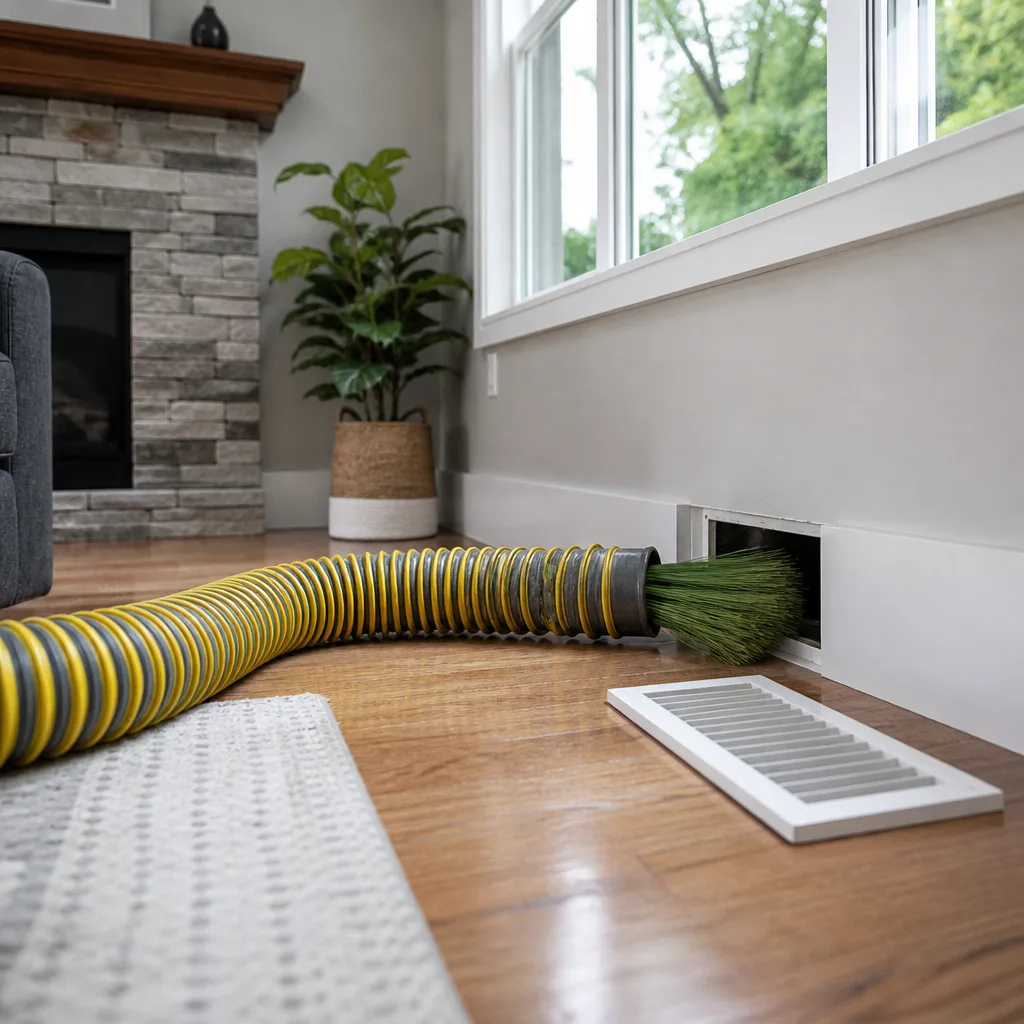 Whole-home duct cleaning
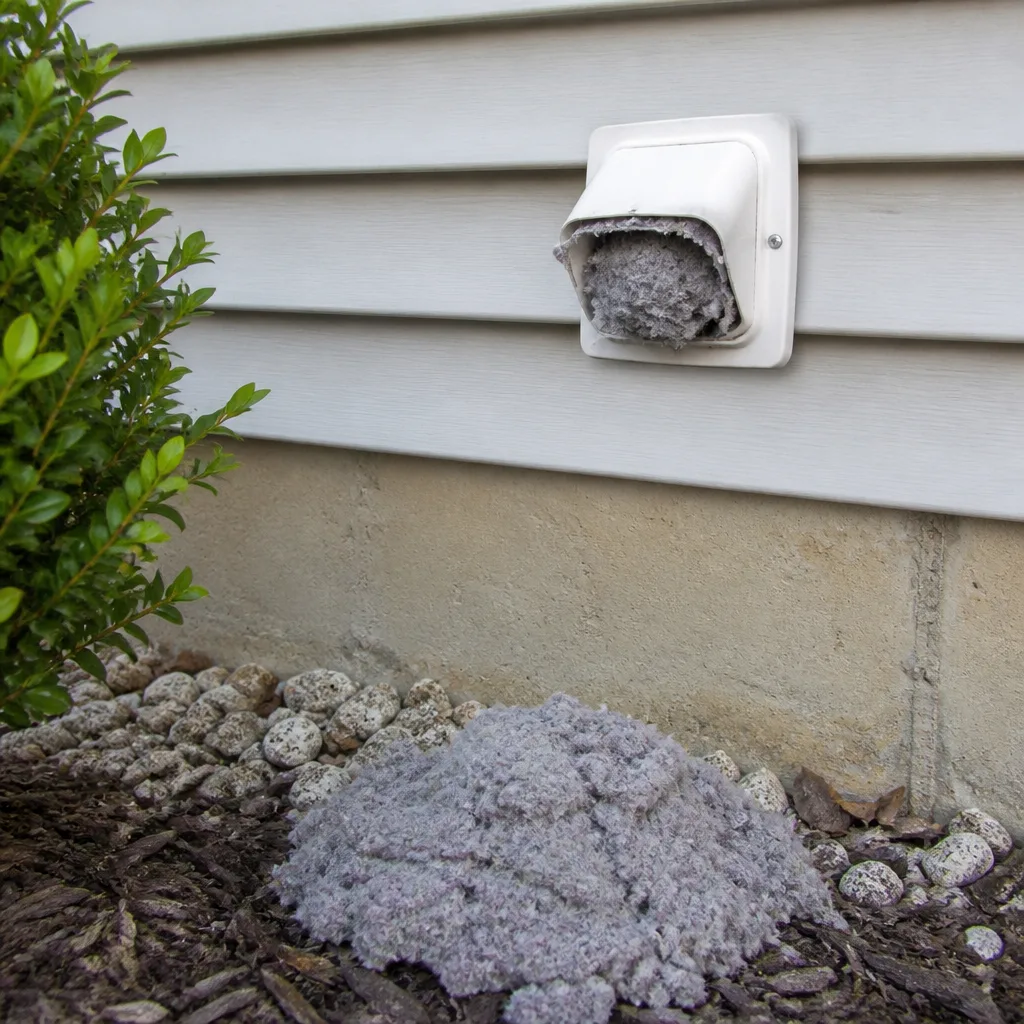 Dryer vent cleaning
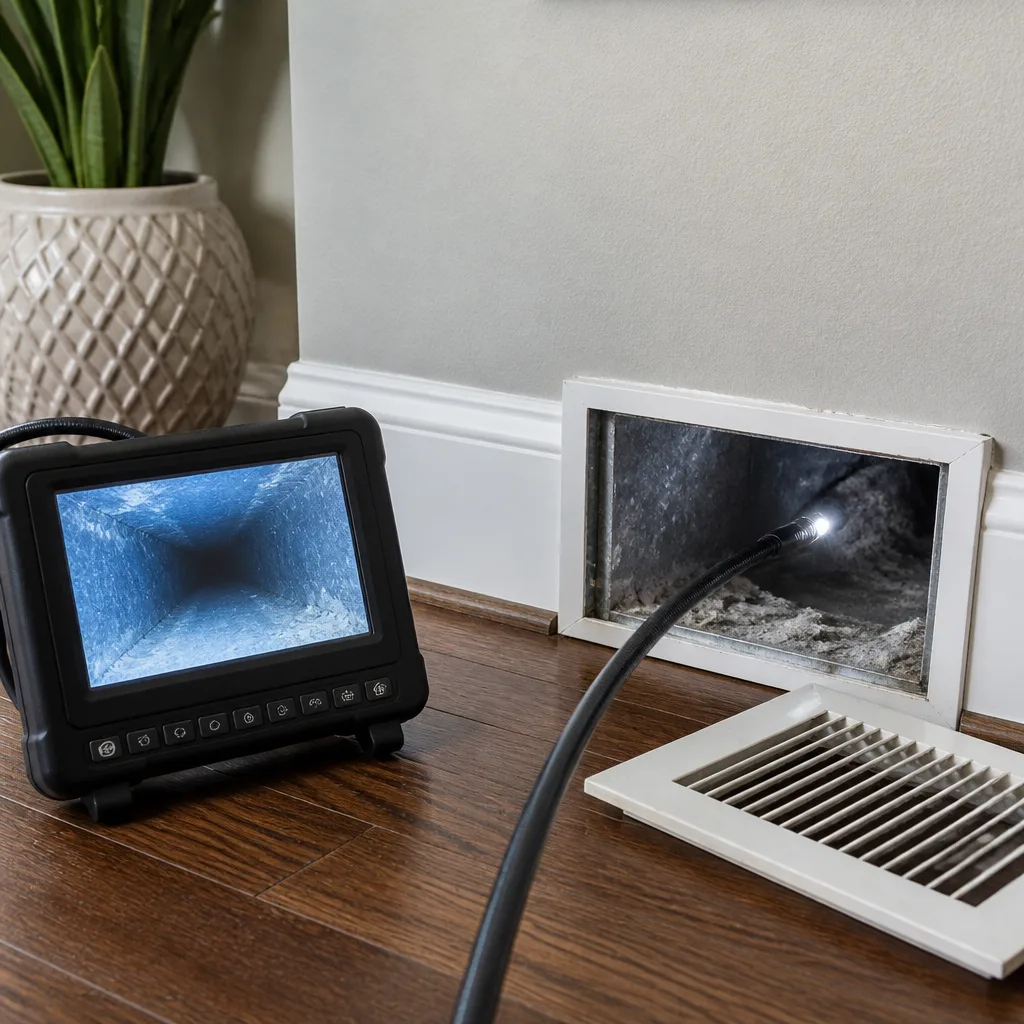 Camera inspection
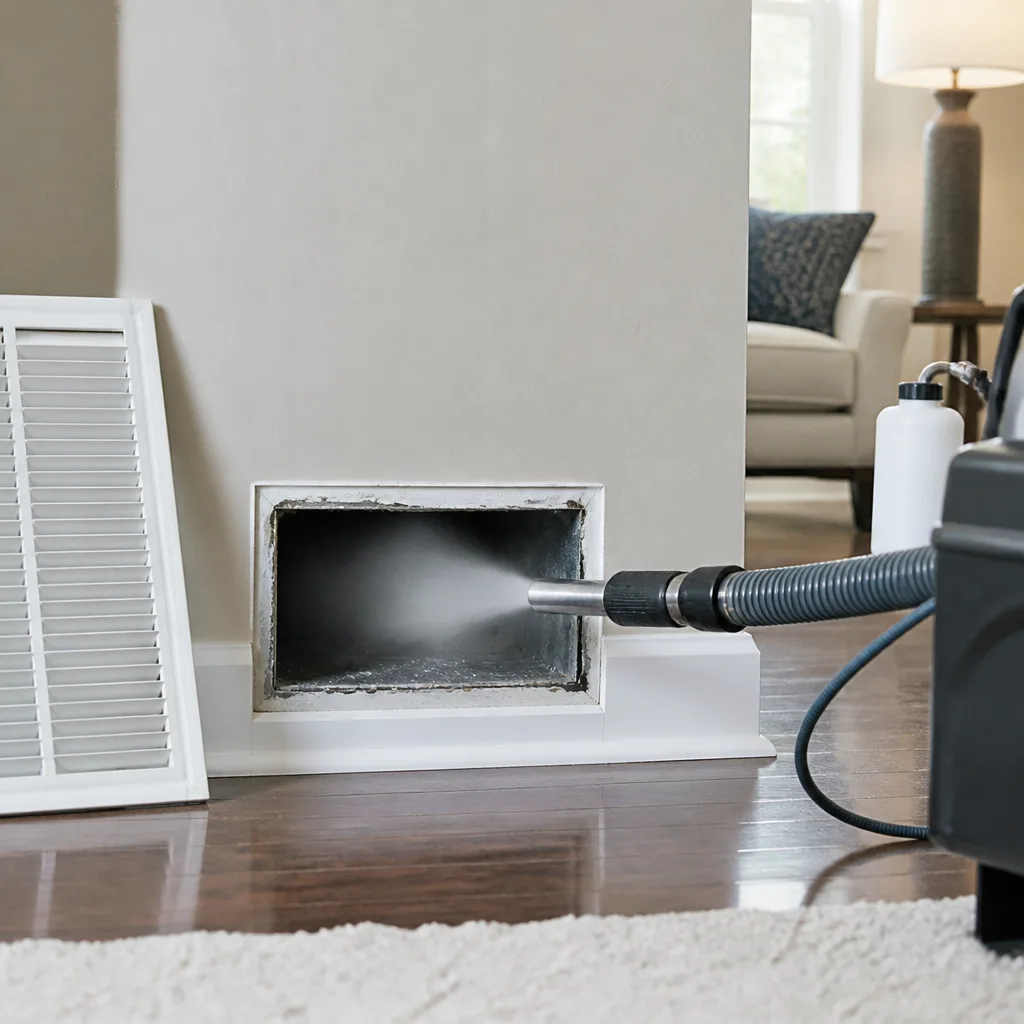 Sanitizing & deodorizing
Whole-system duct and dryer vent check with before-and-after photos - you see exactly what came out of your vents
That "$99 whole-house special" is a bait ad - the real number appears once they are in your hallway, or the "clean" is a shop-vac at the register. We photograph the inside of your ducts before and after instead.
Choosing the Right Air Duct Cleaning Brand: A Buyer’s Guide for Brier Creek
Air duct cleaning has no universal licensing requirement in North Carolina, which means the barrier to operating is a van and a vacuum, not demonstrated competency. That’s the counterintuitive part most homeowners miss: a company can be entirely legal, entirely friendly, and still be doing a cosmetic job that stirs dust through your system without ever touching the duct walls. The companies that invest in professional-grade equipment, trained technicians, and verifiable standards are identifiable if you know what to look for, and the ones that don’t are identifiable by those same criteria. This guide gives you a framework for evaluating any company against objective measures rather than star ratings, so you can make a decision in Brier Creek that holds up a year from now.
Quick Answer
The right air duct cleaning company is the one that can name its vacuum system and CFM rating, describe the exact components it cleans, prove post-job accountability with before-and-after documentation, and explain its process in technical terms before you book. Choose on equipment capability, scope transparency, and process verification, not on discount offers or review counts. A brand that can answer all three fluently is a brand that will actually clean your ducts.
Styles & brands we work with
- Whole-home duct cleaning
- Dryer vent cleaning
- Camera inspection
- Sanitizing & deodorizing
Table of Contents
- Why equipment is the first thing to evaluate
- How to ask a company about its vacuum system and CFM rating
- What NADCA membership and ACR adherence actually mean
- Reading a service description for real scope
- Local operational signals in the Brier Creek market
- Post-job accountability and what to demand
- How filtration brands fit into the decision
- Common mistakes to avoid
- When to call a professional
Why Equipment Is the First Thing to Evaluate
Duct cleaning is a physics problem before it’s a service. Debris clings to duct walls through a combination of static, moisture, and simple adhesion, and it doesn’t let go because someone waves a hose in the general direction of a register. The method that actually dislodges it is contact cleaning: a rotating brush or whip physically agitates the interior wall while a strong vacuum pulls the loosened material into a collection system. Companies that rely on compressed air alone, without contact agitation and without extraction, push dust into the airstream and call it cleaning.
In our experience, the clearest dividing line between a full-system clean and a cosmetic one is the equipment list, stated plainly. When we describe a job, we name our tools: Rotobrush contact-cleaning systems to agitate and extract debris from duct interiors, Nikro professional HVAC extraction equipment to handle the volume, and Abatement Technologies air purification equipment when sanitizing is part of the scope. Those names mean something specific, and any company worth evaluating should be able to do the same. Here’s what to listen for:
- Named equipment – a specific brand and model family, not “industrial-grade” or “professional” in the abstract.
- Contact-cleaning method – a brush, whip, or rotary system that touches the duct wall, described in those terms.
- Extraction, not venting – debris goes into a HEPA-rated collection system, not into your living room.
- Scope of tools – different heads and whips for different duct types (rigid metal, flex, plenum).
If the answer you get is vague, that’s information. It tells you the company treats equipment as a marketing detail rather than the core of the service. For a fuller look at how a professional-grade process runs end to end, our air duct cleaning page walks through the steps we take on a typical Brier Creek job.
How to Ask a Company About Its Vacuum System and CFM Rating
You don’t need to be an HVAC technician to ask this question, and you don’t need to know the right answer in advance. What you need is to hear a specific one. CFM stands for cubic feet per minute, and it’s the measure of how much air the vacuum system moves. A truck-mounted or high-capacity portable vacuum with meaningful CFM is what keeps debris under negative pressure while it’s being dislodged. A shop vac has a fraction of that capacity, no matter how convincingly it’s presented.
Ask directly: “What vacuum system do you use, and what’s the CFM rating?” Then listen for these signals:
- Good answer: A named system category (truck-mounted, HEPA portable, or a specific professional unit) with a CFM figure quoted without hesitation.
- Acceptable answer: A named professional system and an offer to show you the equipment when the team arrives, plus a specific reason CFM matters for extraction.
- Weak answer: “We use a very powerful vacuum” with no name or number.
- Inadequate answer: “Our vacuum cleans better than the big trucks” or any deflection toward price instead of capability.
- Red flag: A company that can’t tell you what it uses at all.
A technician who works with Rotobrush and Nikro equipment every day can explain, in plain language, why a high-CFM vacuum with a HEPA filter is the only safe way to remove fine particulate without redistributing it into your home. If you’re in Brier Creek and you’re comparing options, this one question will narrow the field faster than any review site. If the topic is HVAC cleaning beyond the ducts themselves, the same question applies to the coil and air handler work.
What NADCA Membership and ACR Adherence Actually Mean
NADCA is the National Air Duct Cleaners Association, and its ACR standard (Assessment, Cleaning, and Restoration) is the industry’s reference framework for how a duct cleaning job should be scoped, executed, and documented. Membership is not a license. It’s not a guarantee of quality. But it does indicate that a company has chosen to align with a written standard rather than operating on its own definitions, and that alignment shows up in a few concrete ways.
What ACR adherence requires a company to do differently:
- Assess before cleaning – understand the system layout, the duct materials, and the contamination before deciding on a method.
- Define scope explicitly – list which components are being cleaned and which are not, rather than a single “complete cleaning” label.
- Use negative pressure – keep the system under vacuum throughout so dislodged debris doesn’t escape into occupied space.
- Document the work – access points, before-and-after conditions, and findings, in writing or photos.
- Recommend restoration where needed – sealing or repairing compromised ductwork rather than cleaning a system that will just leak again.
When a company tells you it’s NADCA-aligned, ask what that means in practice: how it scopes a job, how it documents it, and whether it will recommend repair when cleaning won’t solve the underlying problem. That last point matters in Brier Creek, where summer humidity runs high for months and compromised duct connections in the unconditioned spaces of a lot of homes are a genuine source of condensation and air loss. For more on how we handle that structural side, see our Air Duct Cleaning Brier Creek overview.
Reading a Service Description for Real Scope
Scope transparency is the third variable, and it’s the easiest to test. A company that cleans ducts thoroughly can list exactly which components it addresses. A company that doesn’t has to use a broader word instead, and “complete cleaning” is the broadest word available. It reads reassuringly and tells you almost nothing. When you compare descriptions side by side, the specific ones and the vague ones separate cleanly.
Here’s what a specific scope looks like. Look for each of these addressed by name:
- Supply lines – the branch ducts running to each register.
- Return plenums – the larger return-side ductwork and the plenum box.
- Coil housing – the enclosure around the evaporator coil, often the wettest and most contaminated spot.
- Air handler – the cabinet and its internal surfaces.
- Register and grille interiors – the components you can see, cleaned as part of the system, not as an upcharge.
Ask a company to define “complete cleaning” in its own words and watch how quickly it lands on these five items. If it can, you’re talking to a company that scopes its work. If it can’t, you’re talking to one that describes it. That distinction is worth more than any promotional material, and it’s the one you can verify before a single technician arrives in Brier Creek.
Local Operational Signals in the Brier Creek Market
Local operational signals tell you whether a company is a fixture in Wake County or a contractor who passes through. These aren’t brand loyalty questions. They’re questions about accountability and standing, because a company that has operated in the Brier Creek and greater Wake County market long enough to have repeated work and a local reputation has skin in the game.
Ask these questions on a pre-job call:
- How long has the company operated in the Brier Creek / Wake County market? – you want a clear answer with a real local reference point.
- Do you carry liability insurance and workers’ compensation? – and can you provide a certificate on request? Both matter, especially if work happens in tight attic or crawlspace conditions common to Brier Creek area homes.
- Who will actually be on-site? – the company that answers the phone or a subcontractor? You want to know the technician’s training path.
- Can the technician explain the process in technical terms? – ask about negative pressure, contact agitation, and how they handle flex duct. A trained technician answers fluently; an improviser pivots to reassurance.
- What’s your process for a home with both rigid and flex duct? – because the method changes, and the answer should show they know that.
One more local note: Brier Creek sits in a part of Wake County where new construction and older homes coexist, and duct systems vary widely in quality and condition. A company that has actually worked this market will recognize the difference between a system that needs cleaning and one that needs repair and sealing first. Our technicians have up to 12 years of experience with that distinction. If your issue is the dryer vent rather than the supply side, dryer vent cleaning follows a different evaluation, though the equipment questions are the same.
Post-Job Accountability and What to Demand
Post-job accountability is the point where the professional companies and the cosmetic ones part ways for good. Anyone can clean a duct and leave. A credible company hands you a record of what it found and what it did. That record is your evidence the work happened, and it’s also the baseline for every future decision about your system.
Before booking, ask what documentation you’ll receive. A credible company should provide all of the following:
- Documentation of access points used – where the system was opened, so you know the work was real and the holes were properly closed.
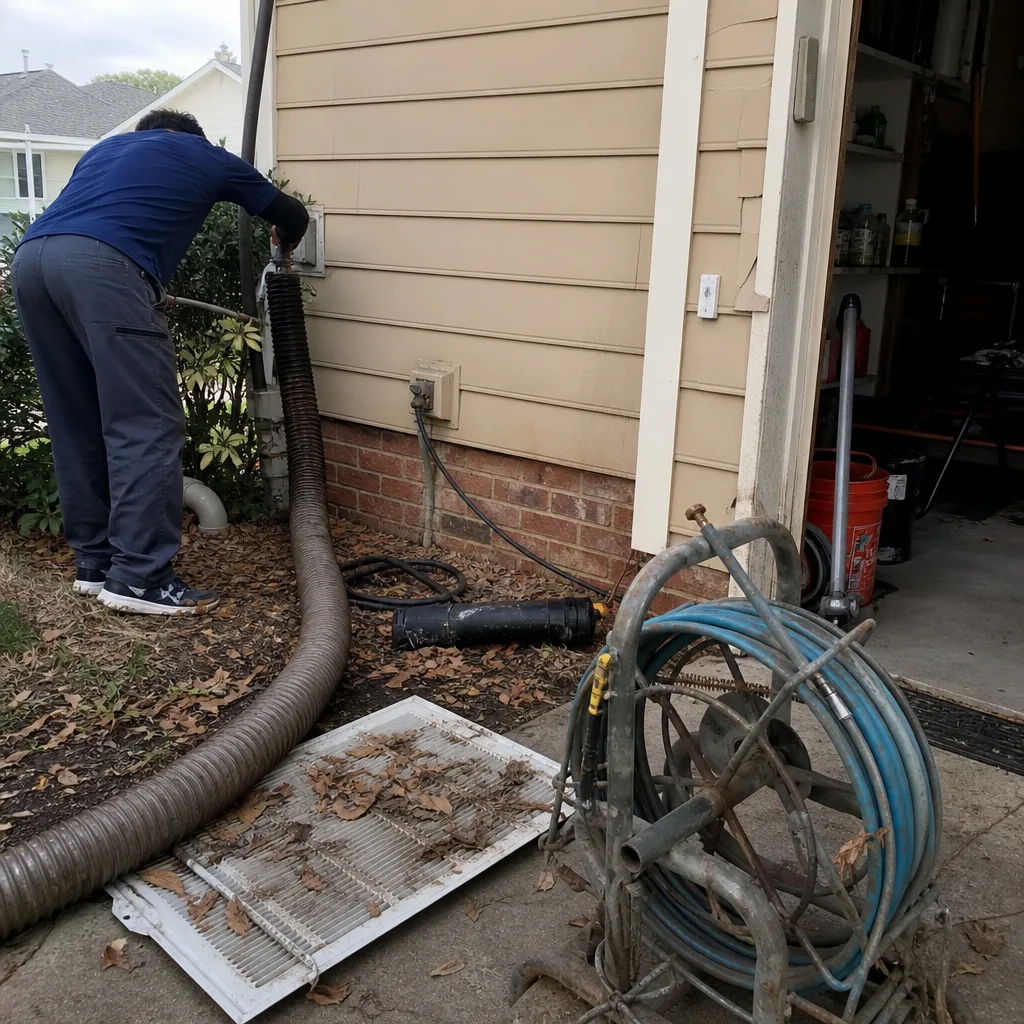
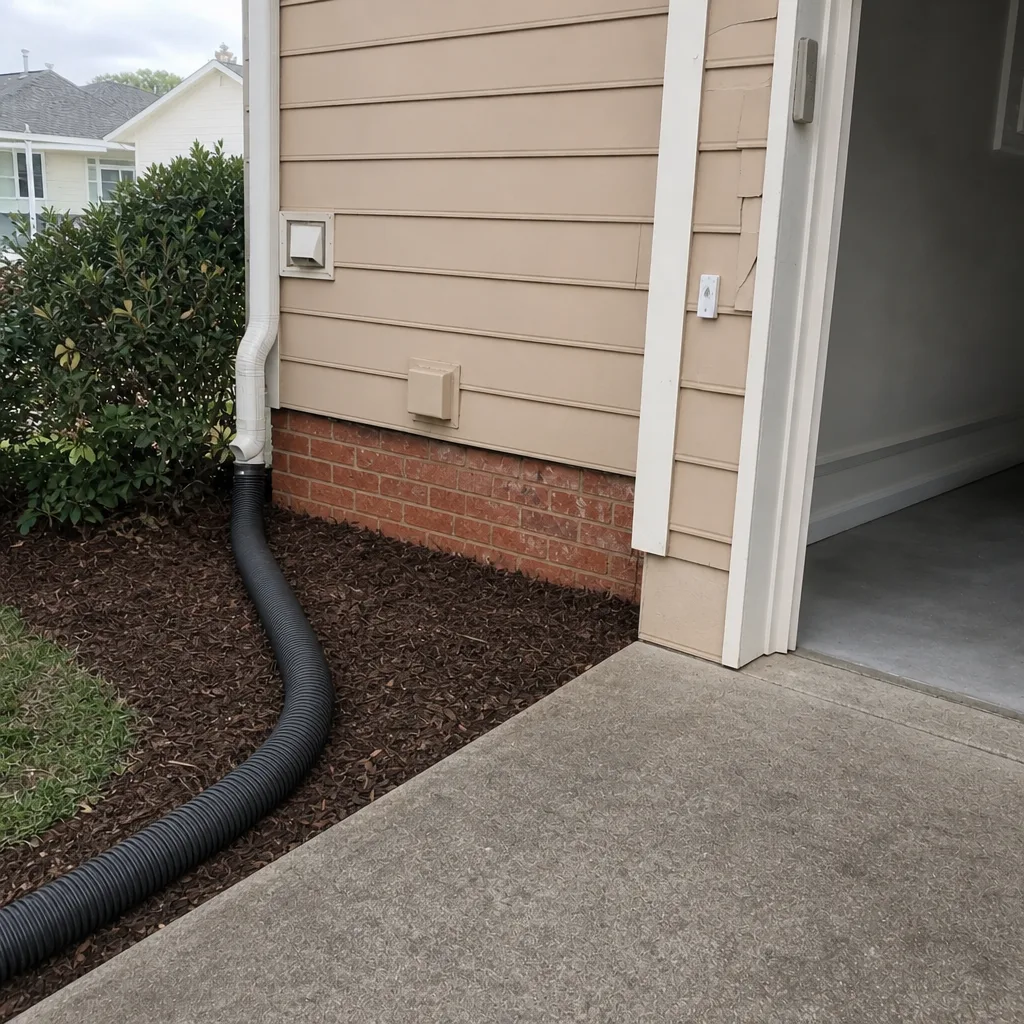
- Before-and-after photography – images of your own ducts, not stock photos.
- Airflow observations – any measurable change in static pressure or register flow, explained in plain language.
- Findings that affect future maintenance – a note on compromised connections, moisture, or areas that should be repaired or sealed.
Ask specifically whether the company offers duct repair and sealing as a service, not just cleaning. Cleaning a leaking system without addressing the leaks is a partial job, and the findings from that job will point straight at the leaks. When we finish a Brier Creek job, the report reflects the whole system we examined, including the repairs we’d recommend and the air quality integrations (Honeywell and Aprilaire systems, for instance) that might reduce the need for repeat cleanings down the road.
How Filtration Brands Fit Into the Decision
Air quality upgrade brands aren’t a reason to choose a company on their own, but their presence tells you something about a company’s service range. A firm that stocks and services Honeywell and Aprilaire air quality systems can integrate cleaning with filtration upgrades in a single visit. That matters when your duct cleaning uncovers a filtration problem, and you don’t want to schedule two contractors for what should be one scope. In our experience, homeowners who delegate the cleaning and the air quality upgrade separately end up re-opening systems for both, which defeats the point of cleaning the first time.
When a company sanitizes, ask what it uses. Guardsman protective treatments are applied as part of a sanitizing process, not as a substitute for cleaning, and Abatement Technologies air purification equipment is the kind of tool that belongs in that stage of the work. Anyone who leads the conversation with sanitizing before cleaning has the sequence wrong. Sanitizing applies after the duct walls are clean and dry; applied to a dirty duct, it does nothing useful.
The cleanest way to choose on this variable is to ask for the full service menu in writing: cleaning, sanitizing, dryer vent service, HVAC cleaning, and structural duct repair and sealing. A company that offers all five is built for full-system work. A company that offers one is built for a single task.
Common Mistakes to Avoid
- Choosing on price alone. A low quote usually means less equipment, less scope, or a faster job. Price is a byproduct of method, not a method itself.
- Accepting “complete cleaning” without a component list. Ask which parts of the system are covered by name; if supply lines, return plenums, coil housing, and air handler don’t come up, the scope is thinner than the label suggests.
- Not asking about CFM. The vacuum is the engine of the job. Asking for the system name and rating is the single fastest way to separate professional operators from van-and-vacuum setups.
- Skipping the insurance question. Liability coverage and workers’ comp are the baseline for any contractor working in your home. Ask for a certificate before booking, not after.
- Treating sanitizing as the main event. Sanitizing follows cleaning. A company that pushes it first is selling a step, not solving a system.
- Ignoring repair and sealing. In Brier Creek’s humid summers, leaking duct connections create condensation and contamination that cleaning alone can’t fix. A company that can’t offer repair and sealing has a narrower scope than you need.
- Not requesting post-job documentation. Without before-and-after photos and a record of access points, you have no way to verify the work or plan the next step.
See the difference
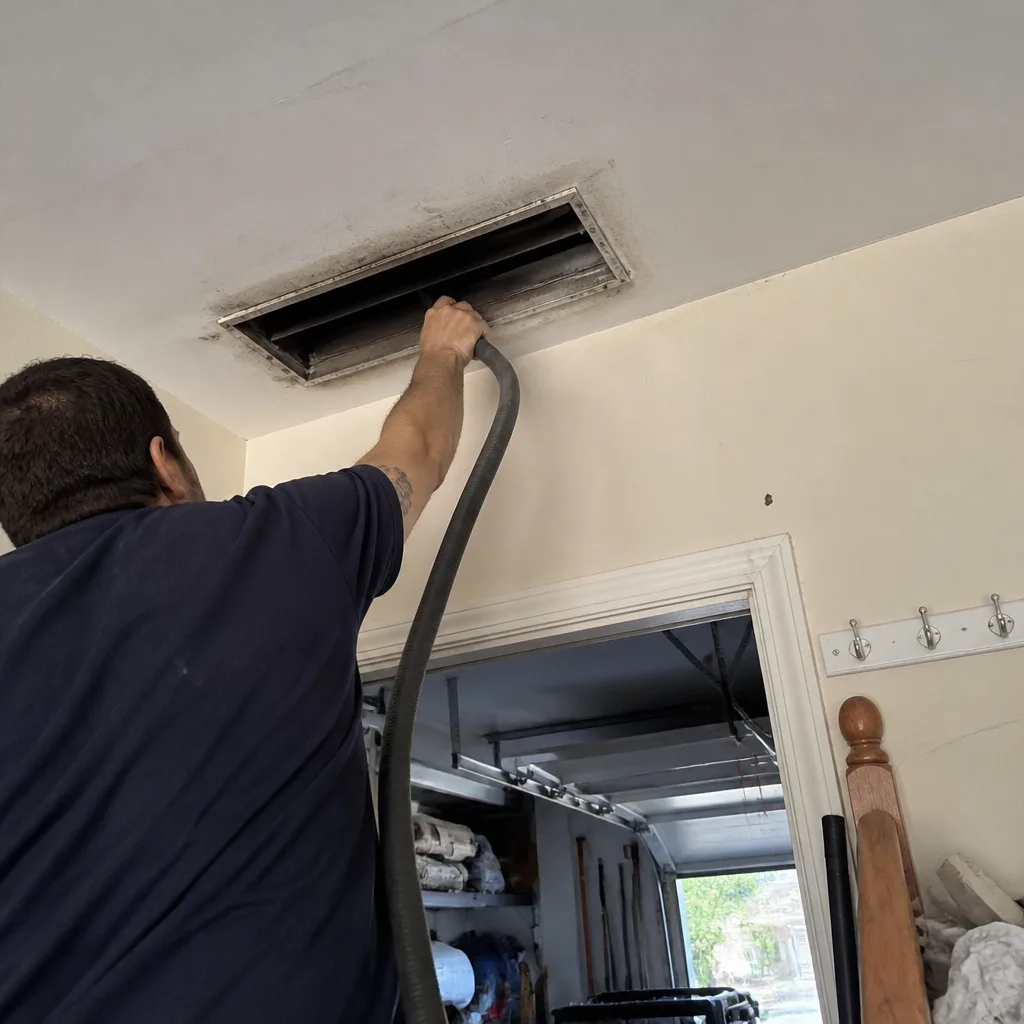 Before
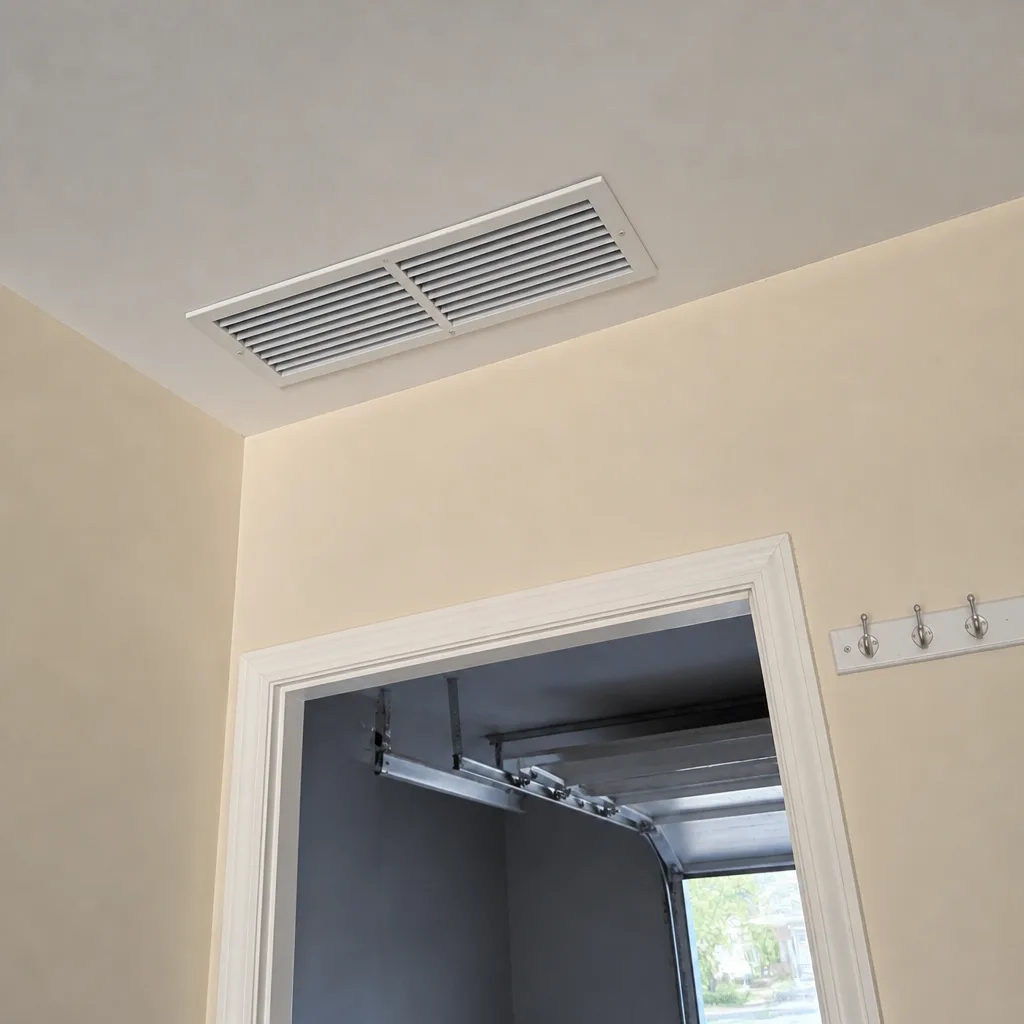 After
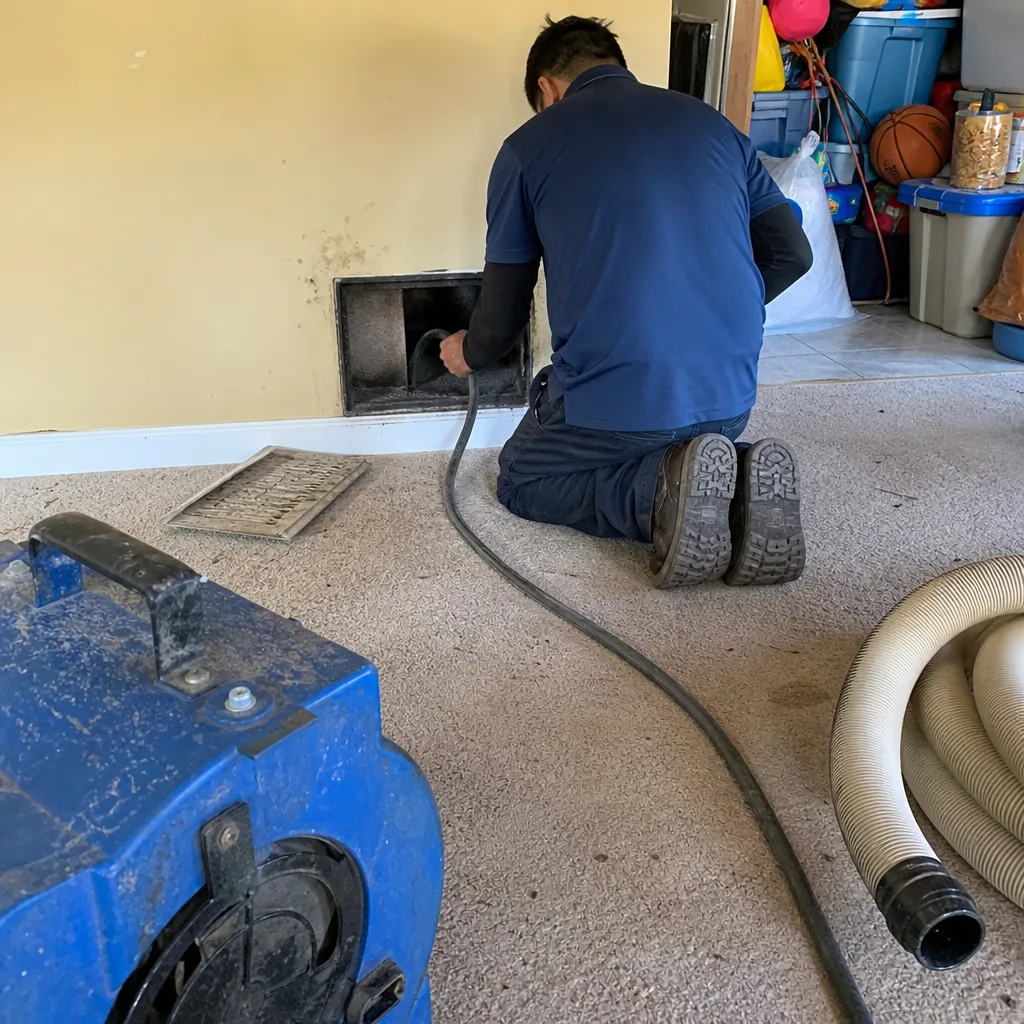 Before
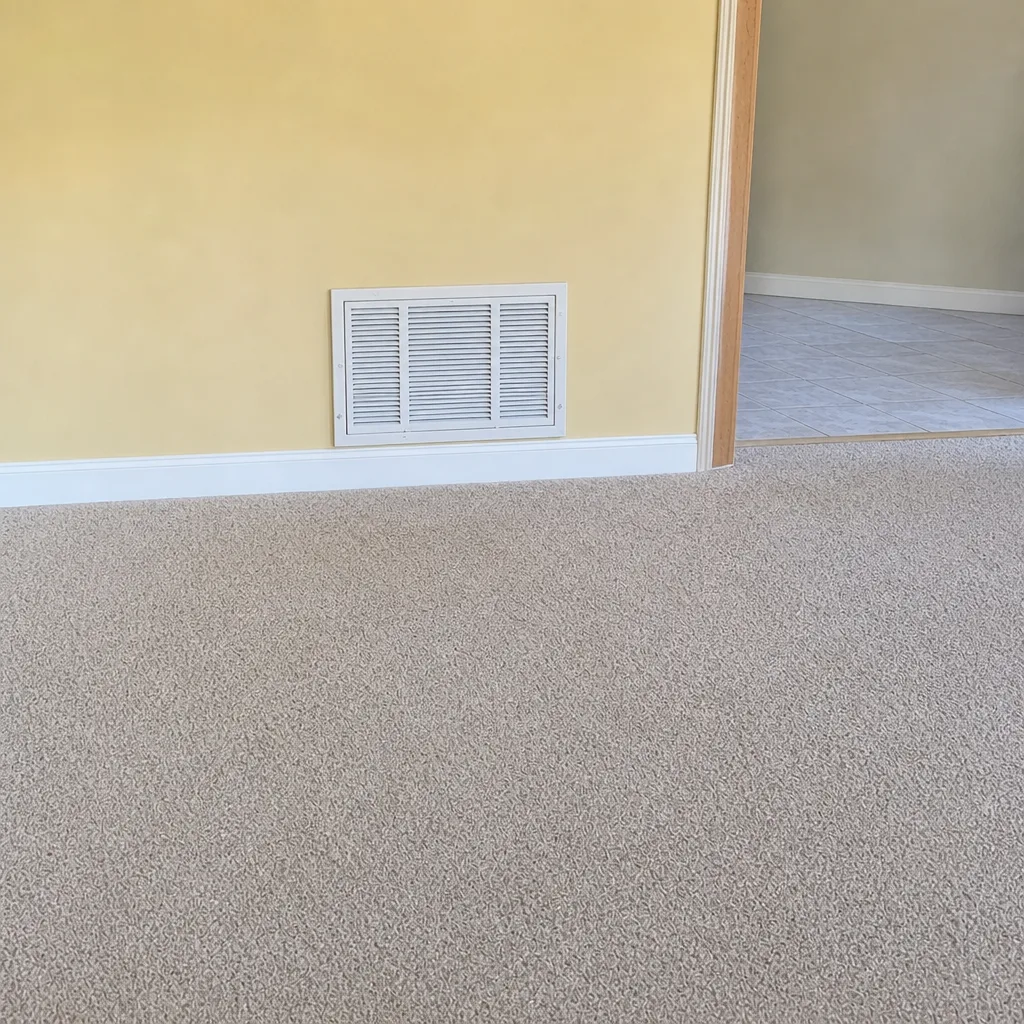 After
 Before
 After
When to Call a Professional
Duct cleaning is a scheduled job, not an emergency, but there are signals that point to the need for a professional assessment. Allergy flare-ups that worsen indoors, a musty smell when the system runs, uneven airflow between rooms, high energy bills with no obvious cause, or visible dust around registers all suggest the system is a source rather than just a distributor. In Brier Creek, the long humid season adds condensation and moisture questions that a trained eye should evaluate, and a system with flex duct or older connections deserves a repair-and-seal check alongside cleaning.
Air Duct Cleaning Brier Creek offers free estimates in Brier Creek. Call (833) 509-3460. We answer 24/7. Fast dispatch from 7am to 7pm, Sunday through Friday.
Frequently Asked Questions
No universal licensing requirement applies to air duct cleaning in North Carolina, which is why the equipment and process questions in this guide matter more than a license check. Ask for the vacuum system, CFM rating, scope list, and insurance certificate instead. A company that answers all four is a company you can evaluate objectively. Call (833) 509-3460 for a free estimate in Brier Creek.
A professional duct cleaning company should use contact-cleaning equipment like Rotobrush systems, high-capacity extraction like Nikro HVAC equipment, and HEPA filtration so debris is captured rather than redistributed. Ask for the equipment brand and the CFM rating before booking. If the company can’t name them, look elsewhere. Call (833) 509-3460 to ask us about our equipment.
ACR adherence requires a company to assess the system before cleaning, define scope explicitly, maintain negative pressure throughout, document the work with access points and before-and-after records, and recommend repair or sealing where cleaning alone won’t fix the problem. It’s a process standard, not a badge. Ask any company how its scope, documentation, and repair recommendations meet that bar.
A full-system clean on a typical Brier Creek home takes most of a working day, because contact cleaning and extraction at each branch line take time. Anyone quoting a few hours for the same scope is describing a different scope. Ask for the component list and then ask how long it takes to clean each one. Call (833) 509-3460 for a free estimate.
Cost follows scope and system size, so the only honest answer is a written estimate after a walk-through. Be wary of companies that quote a per-vent figure or a teaser price before seeing the system. A written estimate with a defined scope is the only quote worth comparing. Call (833) 509-3460 for a free estimate in Brier Creek.
You know the work was done when you receive documentation: access points used, before-and-after photos of your own ducts, and airflow observations in plain language. Ask for that record before you book, not after. A company that provides it treats the job as a system examination, not a service call. Call (833) 509-3460 to schedule a free estimate.
The Bottom Line
Choosing an air duct cleaning company in Brier Creek isn’t about brand loyalty. It’s about three variables you can verify: equipment capability, service scope, and process transparency. Ask for the vacuum system and CFM rating. Ask for the component list by name. Ask for the post-job documentation. Ask for insurance. A company that answers all four fluently is a company that will actually clean your system, and a company that deflects is a company that won’t. The questions cost you nothing and tell you everything. Air Duct Cleaning Brier Creek offers free estimates. Call (833) 509-3460. We answer 24/7. Fast dispatch from 7am to 7pm, Sunday through Friday.
Written by the team at Air Duct Cleaning Brier Creek.