
Last updated November 23, 2026
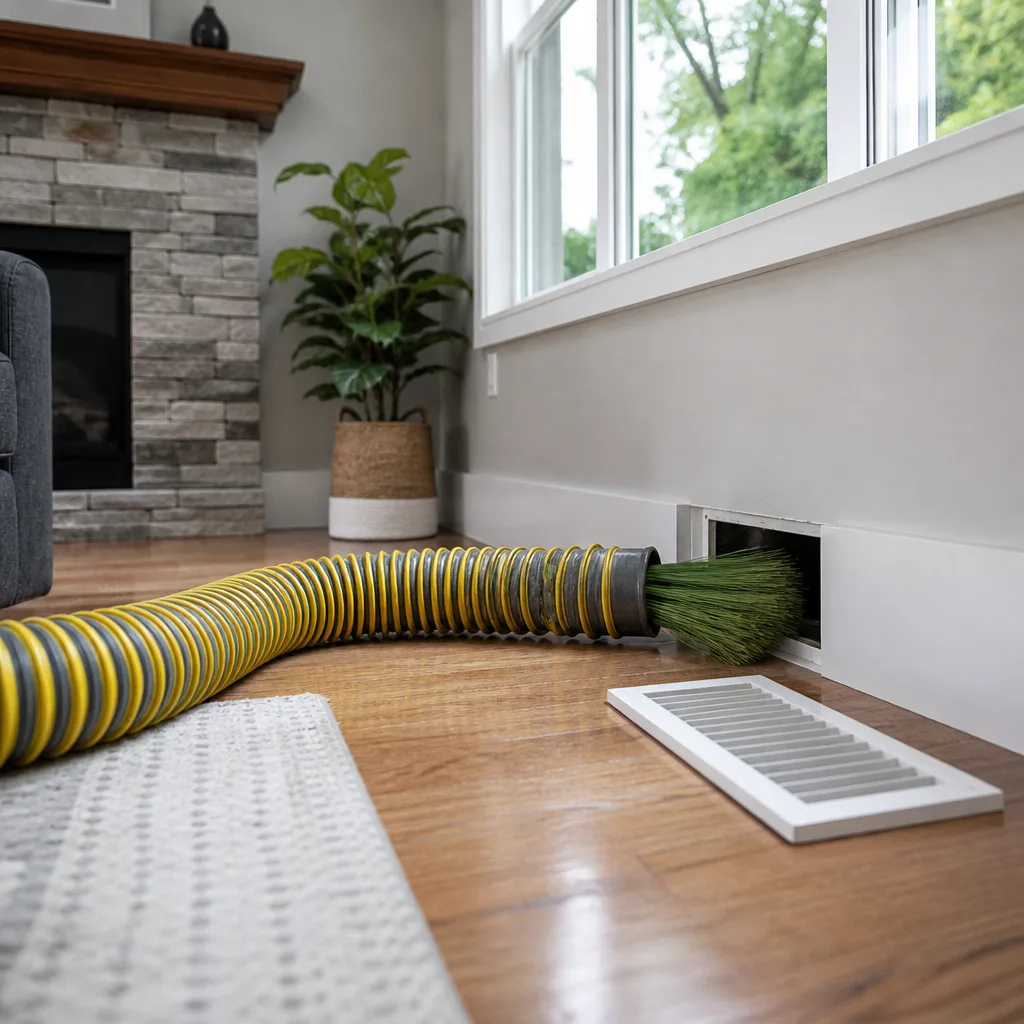 Whole-home duct cleaning
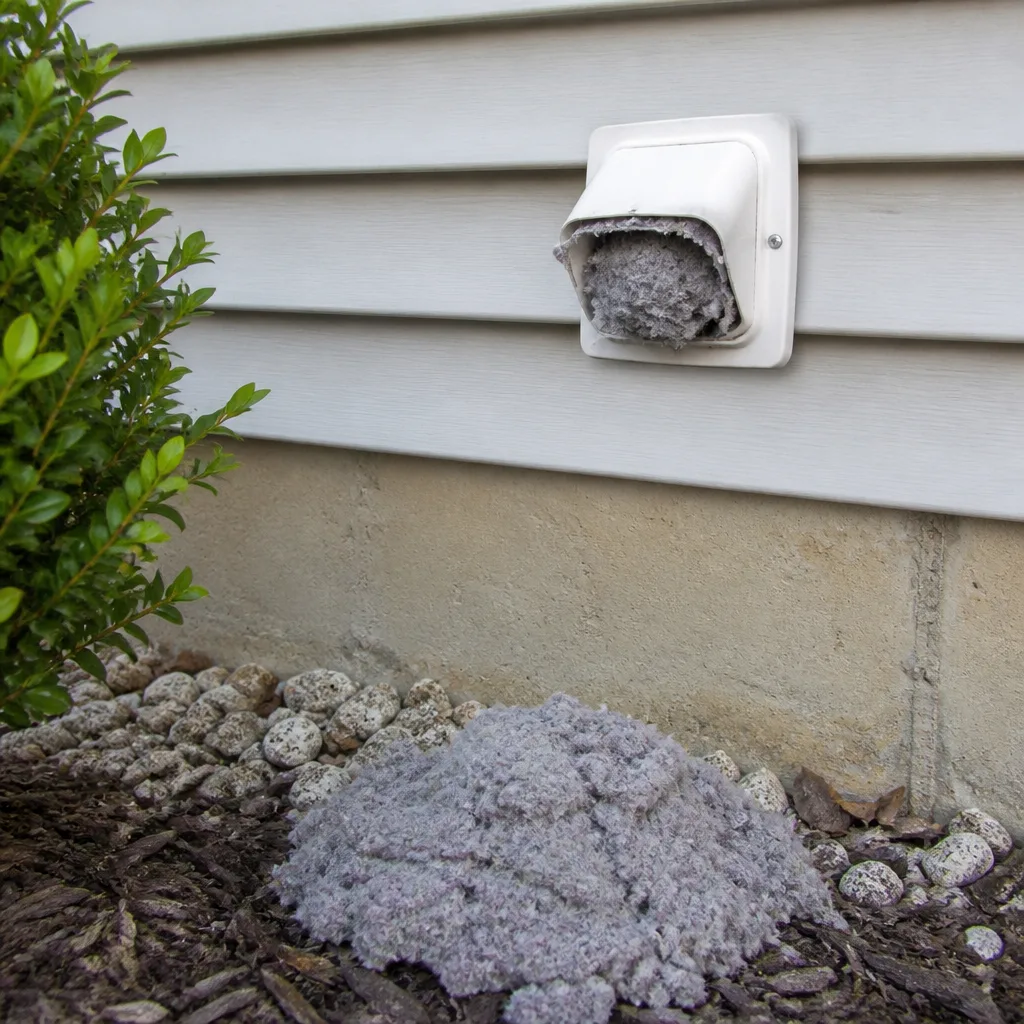 Dryer vent cleaning
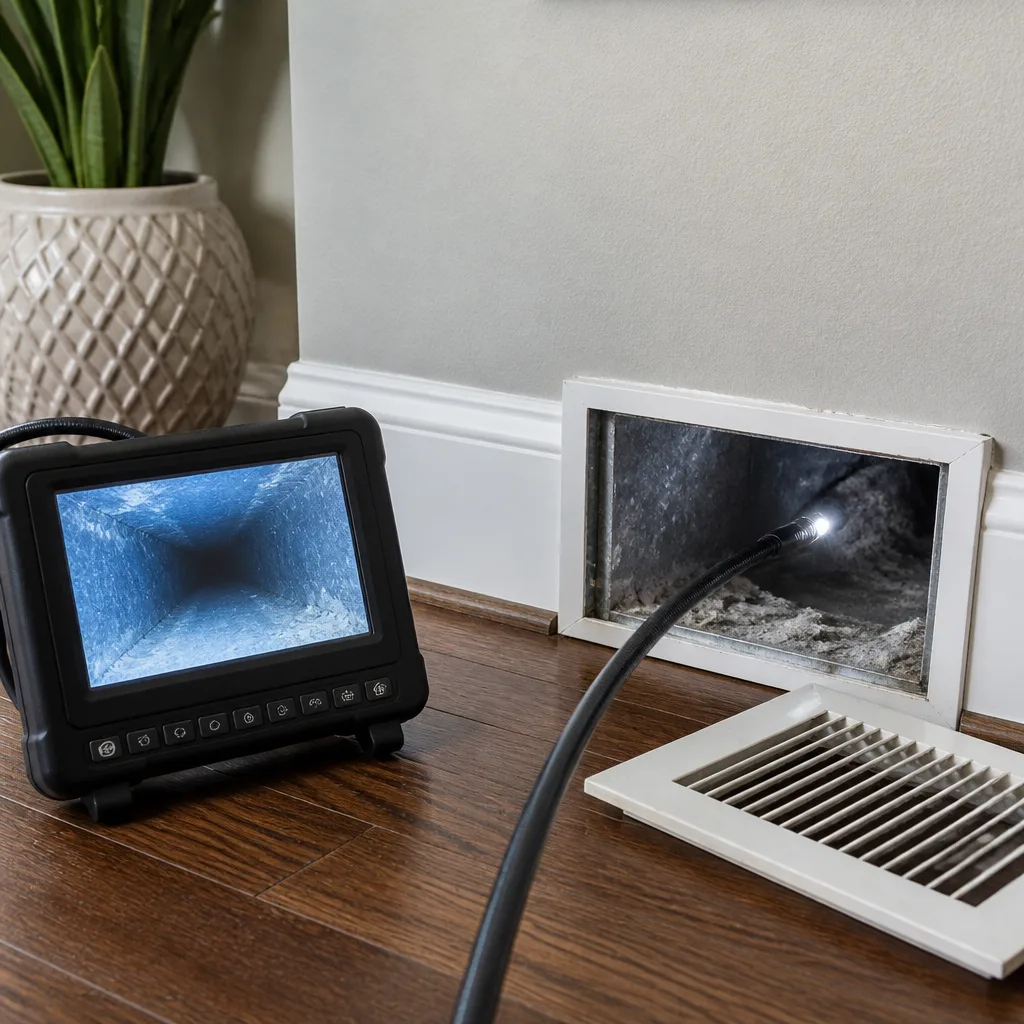 Camera inspection
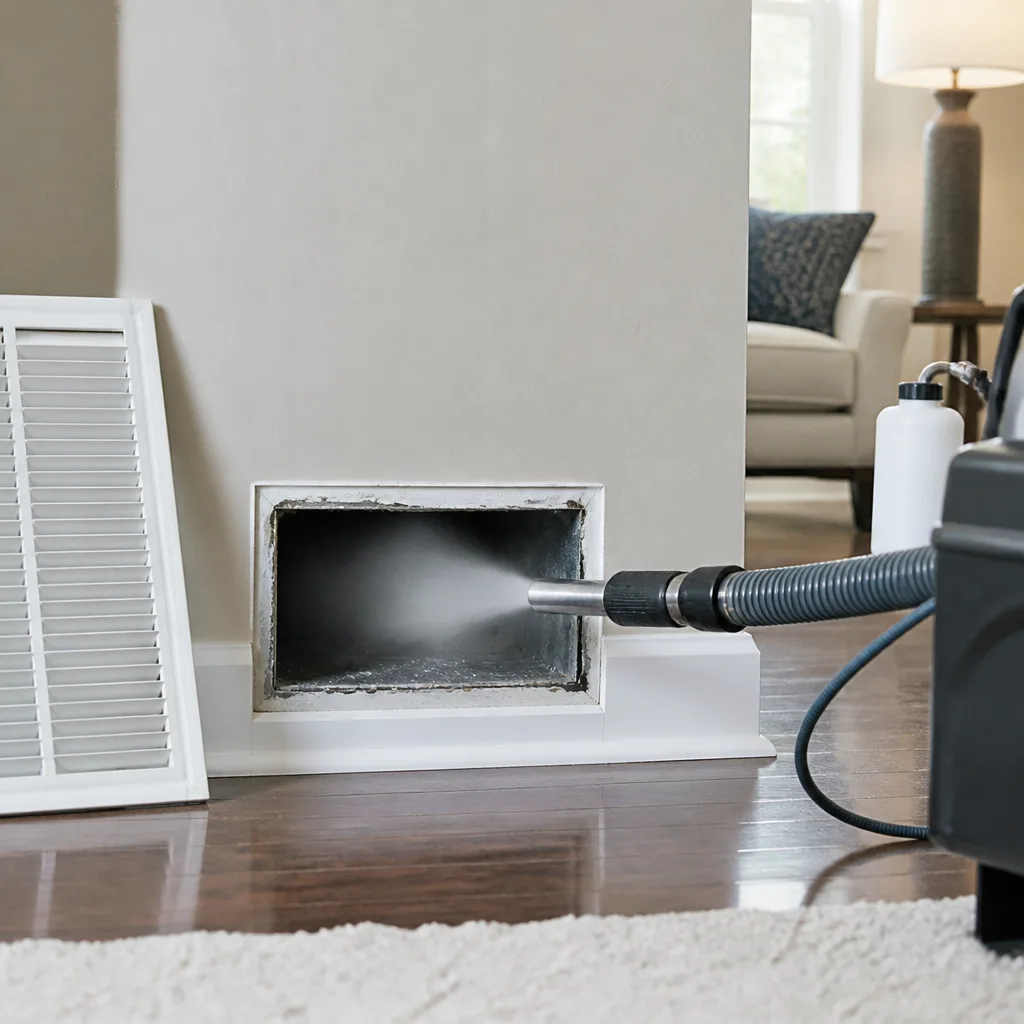 Sanitizing & deodorizing
Whole-system duct and dryer vent check with before-and-after photos - you see exactly what came out of your vents
That "$99 whole-house special" is a bait ad - the real number appears once they are in your hallway, or the "clean" is a shop-vac at the register. We photograph the inside of your ducts before and after instead.
The Complete Guide to Air Duct Cleaning in Brier Creek
Most people think of their ductwork as one long tube that either gets cleaned or doesn’t. That picture is wrong, and it’s why so many cleanings disappoint. The supply trunk, the branch runs, the return plenum, the coil housing, and the registers behind your furniture each collect a different kind of debris at a different rate, and each needs a different protocol to come clean. A single pass with a vacuum through the visible vents barely touches the parts that matter. In this guide we’ll walk through the whole system component by component, explain how Brier Creek’s humid summers and pollen-heavy springs push buildup faster than drier climates do, and show you what a legitimate cleaning should actually involve.
Quick Answer
Air duct cleaning in Brier Creek means contact-cleaning the entire air pathway – supply lines, return plenums, coil housing, and registers – using source removal tools rather than blowing dust around. It’s worth doing when you see visible buildup, notice musty odors, deal with uneven airflow, or have just finished construction. The cleaning itself matters less than whether the coil and air handler housing are inspected at the same time.
Styles & brands we work with
- Whole-home duct cleaning
- Dryer vent cleaning
- Camera inspection
- Sanitizing & deodorizing
Table of Contents
- Why the Duct System Has to Be Treated as Separate Parts
- How Brier Creek’s Climate Accelerates Buildup
- Negative-Pressure Extraction vs. Portable Units
- Why Cleaning Without Inspecting the Coil Misses the Point
- New Construction and the Drywall Dust Problem
- What Your Post-Cleaning Report Should Contain
- Sanitizing, Sealing, and When Each One Helps
- What a Full-System Cleaning Looks Like, Step by Step
Why the Duct System Has to Be Treated as Separate Parts
A NADCA study found that up to 40 pounds of dust accumulates in the average home’s duct system each year. That number gets quoted a lot. The more useful question is what happens to that dust once it’s inside – and the answer depends entirely on which component it lands in.
The supply trunk lines carry pressurized air away from the air handler. They run at positive pressure, so small gaps push air out rather than pulling debris in. Branch runs feeding individual rooms behave differently; the longer the run, the more the velocity drops and the more fine particulate settles on the walls. Return plenums run at negative pressure and pull air back toward the system, which means they collect dust from the whole house, including whatever’s floating around your living room. And the coil housing – the enclosure around the evaporator coil – sits wet for much of the year.
That last detail drives everything. A wet surface with warm air moving across it is a growth environment. Dust that settles on a dry trunk line stays dust. Dust that lands on a wet coil becomes something else entirely.
So when we clean a system in Brier Creek, the protocols differ by section:
- Supply trunk and branches: contact agitation to break the settled layer off the duct wall, followed by extraction. Rotobrush whip and brush heads reach surfaces that air alone won’t move.
- Return plenums: heavier debris load, often including larger particles that never made it past the filter, so extraction is slower and more deliberate.
- Coil housing: inspection first, then targeted cleaning. This section can’t be cleaned blind.
- Registers and grilles: removed, cleaned separately, and reinstalled so the visible side matches what’s behind it.
Miss any one of those and the system sheds contamination back into the airstream the moment the blower comes on. That’s the core reason whole-system air duct cleaning works and single-task cleaning doesn’t.
How Brier Creek’s Climate Accelerates Buildup
Duct systems in dry climates accumulate dust and stop there. In Brier Creek, humid summers change the chemistry of what’s inside the ductwork. Moisture in the airstream raises the relative humidity inside the supply lines during cooling season, and when the system cycles off, surfaces that were cold and wet begin to dry slowly. Dust that settles during that cycle gets a chance to bond to the duct wall rather than rest on it.
Pollen-heavy springs compound the problem. Fine pollen particles are small enough to pass through many standard filters, and once inside the return plenum they behave like a food source for microbial growth when moisture is present. That’s the mechanism behind the musty smell so many Brier Creek homeowners notice in late spring and early summer – it isn’t the vent, it’s what’s growing upstream of it.
There’s a practical consequence to all of this. A duct system in a dry, mild climate might reasonably go longer between cleanings without noticeable effects. A system in Brier Creek running an air conditioner hard through humid months is working under a different load. In our experience, the homes that develop visible register staining, musty odors, or recurring allergy complaints are usually the ones where the cleaning interval has been stretched well past the point of diminishing returns.
Filters help, but they’re not the whole answer. A filter catches what reaches it. It does nothing about the dust that bypasses a poorly seated filter frame or settles on the coil downstream. That’s why we treat filtration as one layer of the system, not the system itself.
Negative-Pressure Extraction vs. Portable Units
Here’s the distinction that separates a real cleaning from a token one: what happens to the debris once it’s dislodged. Contact agitation breaks material off the duct wall. Extraction has to pull it out of the system entirely, or it simply resettles somewhere downstream.
Negative-pressure truck-mounted vacuum systems pull a continuous high-volume vacuum on the duct system from a single connection point. The whole duct network becomes a vacuum chamber. Dislodged debris moves toward the source and leaves the building. Because the system stays under vacuum the whole time, there’s no window where loosened material can drift into living spaces.
Portable units operate at a fraction of the airflow. They can agitate and capture some debris locally, but they’re working section by section rather than pulling the entire system into negative pressure. On light surface dust they do fine. On a return plenum that’s accumulated years of material, the difference is obvious the moment you look inside.
We run Nikro professional HVAC extraction equipment, the same class of tooling used in commercial restoration and remediation work rather than consumer-grade vacuums. Paired with Rotobrush contact cleaning, it maintains negative pressure while the brush heads physically work the duct walls. That combination is the baseline we work from on every job.
If you’re comparing quotes, this is the question to ask: is the vacuum truck-mounted and capable of holding the full system under negative pressure, or is it portable? The answer tells you a lot about what the job will actually accomplish.
Why Cleaning Without Inspecting the Coil Misses the Point
The evaporator coil and the air handler housing around it are the most contamination-prone components in the entire system, and they’re the ones most often skipped. Air duct cleaning that stops at the ductwork leaves the wettest, warmest, most growth-friendly surface untouched.
Think about the conditions. The coil is cold and wet during cooling season. Air passes across thousands of closely spaced fins. Any particulate that isn’t caught upstream lands there. Over time the fins clog from the air side, airflow drops, the system runs longer to reach the same temperature, and energy use climbs. Meanwhile the moisture plus dust combination creates the conditions mold needs.
What a proper inspection involves:
- Accessing the coil housing through the service panel or a dedicated access port.
- Visual inspection of the coil face and fins on both the entering and leaving air sides.
- Checking the drain pan and condensate line for standing water or biological growth.
- Examining the blower wheel and housing for dust loading.
- Documenting findings with photographs before any cleaning begins.
If a quote doesn’t mention the coil or the air handler at all, that’s a signal the job is scoped as duct-only. For a Brier Creek home running through humid cooling seasons, duct-only cleaning addresses the dry parts of the system and leaves the wet parts alone. That’s not a cleaning. It’s half of one.
Duct repair and sealing belongs in the same conversation, because leaks in the return and supply sides change how much unfiltered air enters the system in the first place. Seal the leaks, not just clean the ducts.
New Construction and the Drywall Dust Problem
A brand-new home can have the dirtiest duct system on the block. Construction generates enormous quantities of fine particulate – drywall dust, sawdust, insulation fibers, masonry grit – and the ductwork is open and unsealed for much of the build. Registers are often not installed until late, so the boot openings sit exposed while trades are cutting, sanding, and sweeping nearby.
Drywall dust is the worst of it. It’s extremely fine, it travels easily on air currents, and it sets when it contacts moisture. Once it coats the inside of a supply run, no amount of filter changing removes it. The blower pushes it into the living space on first operation, which is why some new homeowners notice a fine white dust settling on surfaces during the first weeks of occupancy.
Brier Creek has seen steady construction activity, and this is a real pattern in newer builds. The sequence that works:
- Complete all construction and finishing work, including paint and trim.
- Replace the HVAC filter before the system runs for occupancy.
- Have the full duct system contact-cleaned and extracted.
- Inspect the coil and air handler for construction debris that settled during the build.
- Verify duct integrity – construction traffic can dislodge poorly supported flex runs.
- Install a clean filter and document baseline airflow.
Doing this before move-in is far easier than doing it afterward, when furniture, rugs, and daily life are in the way. It also protects the equipment warranty conversation, since a coil clogged with drywall dust isn’t a manufacturing defect.
What Your Post-Cleaning Report Should Contain
You shouldn’t have to take anyone’s word for it. A legitimate cleaning produces documentation, and the documentation should let a third party verify the work was done. Here’s what belongs in that report.
- Before-and-after photographs of the interior of the ductwork at multiple points, the coil face, the return plenum, and the registers. Not just the exterior grilles – the inside.
- Airflow readings taken at the registers after cleaning, and ideally before as a comparison. These give you a baseline for future service.
- Duct integrity findings – any disconnected sections, crushed flex runs, gaps at joints, or unsealed boot penetrations discovered during the work.
- Coil and air handler condition notes, including whether the drain pan was clear and whether biological growth was observed.
- The scope actually performed, in plain language, so you can compare it to what was quoted.
If a company can’t show you photographic evidence of your own ducts, ask why. Before-and-after photos of your system, not a stock image, are the simplest verification available. This is where the industry’s bait-and-switch reputation comes from – a coupon price that becomes a much larger invoice once the technician is on site, with no documentation to justify it.
The alternative is simple: one flat price per system, agreed before work starts, no per-vent pricing, and photographs of your own ductwork when it’s done. Call (833) 509-3460 for an exact quote – estimates are free.
Sanitizing, Sealing, and When Each One Helps
Cleaning removes the physical debris. Sanitizing addresses what’s left on the surfaces after the debris is gone. Sealing addresses why contamination returned in the first place. They’re three different jobs, and the right combination depends on what the inspection finds.
Sanitizing makes sense when there’s evidence of microbial growth, persistent musty odor, or a history of water intrusion in the system. We use Abatement Technologies equipment for air quality and sanitizing work, which brings air-purification-grade filtration into residential and light-commercial environments. Guardsman-grade protective treatments are available as part of the sanitizing process for surfaces that need ongoing protection after the cleaning.
Sealing is structural. Every gap in the supply side leaks conditioned air into a crawlspace or attic; every gap in the return side pulls unfiltered air in from wherever the duct runs. Sealing those leaks changes the pressure dynamics of the whole system and reduces the rate at which new contamination enters.
When neither is needed, we say so. Not every system needs sanitizing, and applying a treatment to clean ductwork does nothing useful. The inspection drives the recommendation.
If filtration itself is the weak point, we work with Honeywell and Aprilaire air quality systems and can integrate a filtration upgrade into the same visit as the cleaning. That’s the advantage of addressing indoor air quality from intake to output in one pass rather than piecemeal.
What a Full-System Cleaning Looks Like, Step by Step
Here’s the sequence we follow on a typical full-system job. Every home differs, but the order matters.
- Walkthrough and system mapping. Identify every supply and return, locate the air handler, and confirm the equipment layout before anything gets connected.
- Inspection with documentation. Photograph the coil, air handler housing, drain pan, and representative duct sections. This establishes the baseline the final report is measured against.
- Set negative pressure. Connect the Nikro extraction unit to create continuous vacuum on the full duct network.
- Contact-clean each run. Rotobrush whips and brushes agitate the duct walls section by section, working from the farthest runs back toward the source.
- Clean the coil and housing. Targeted work on the evaporator coil, blower, and drain pan, with access restored afterward.
- Remove and clean registers and grilles. Reinstalled clean, so the visible side matches what’s behind it.
- Sanitize if indicated. Abatement Technologies equipment applied to the surfaces that need it.
- Verify and document. Post-cleaning photographs, airflow readings, and a written report of findings, including any duct integrity items worth addressing.
For Brier Creek homes with an attached garage or a long return run through a hot attic, we pay particular attention to duct integrity during step eight. Those runs are where sealing work most often pays for itself.
Common Mistakes to Avoid
- Booking on price alone. A very low quoted price usually means portable equipment and a duct-only scope. Ask what’s being cleaned before you compare numbers.
- Skipping the coil. If the quote doesn’t mention the evaporator coil and air handler housing, the wettest and most contaminated part of the system stays untouched.
- Cleaning immediately after construction dust settles but before finishing work is done. Sanding and trim work reintroduce debris. The cleaning should come last, right before occupancy.
- Assuming a filter change fixes odor. A musty smell in a Brier Creek home during humid months usually originates upstream of the filter, in the coil housing or return plenum.
- Accepting a cleaning with no documentation. No before-and-after photos of your own ducts means no way to verify the work happened as described.
- Ignoring duct leaks. Cleaning a leaky system is temporary work. Unsealed joints keep pulling unfiltered air in from the attic or crawlspace.
- Waiting for visible register staining. By the time dust shows at the grille, the return plenum and coil have been accumulating for a long while.
See the difference
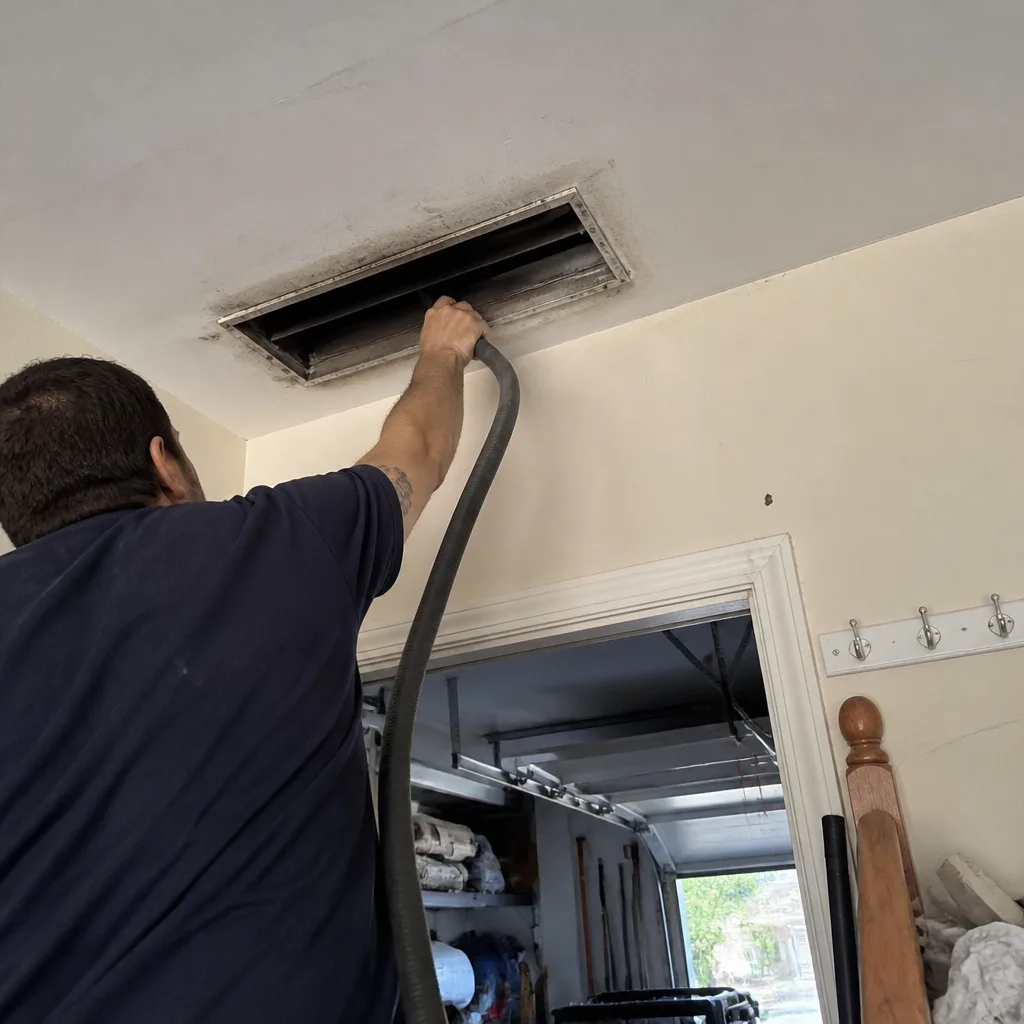 Before
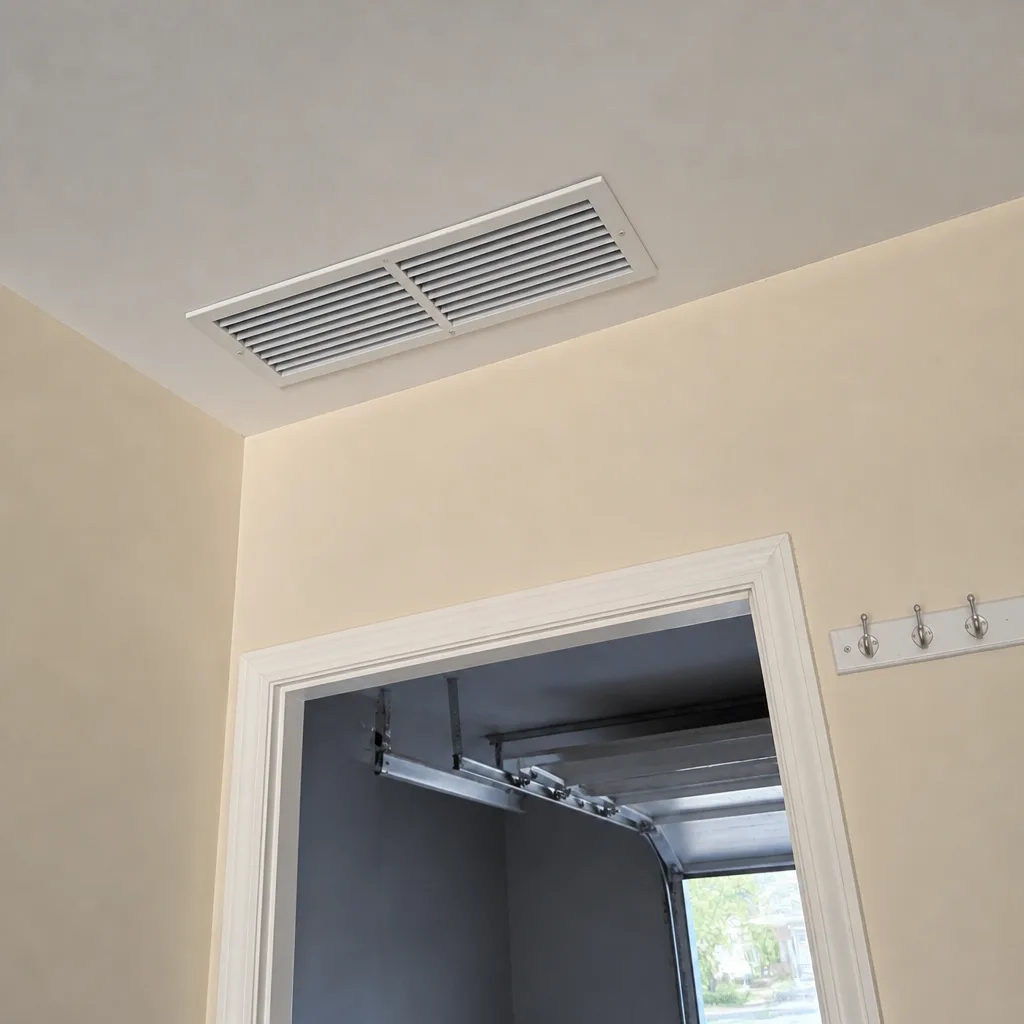 After
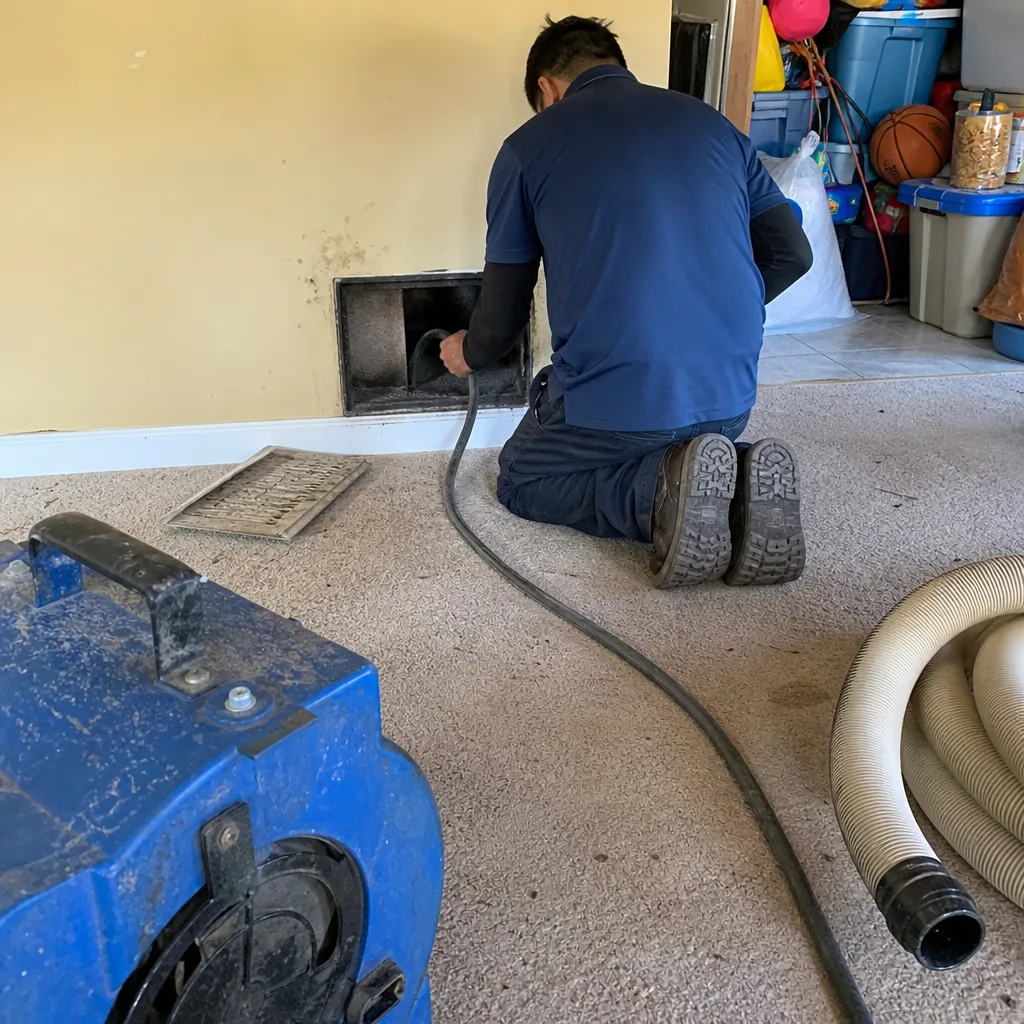 Before
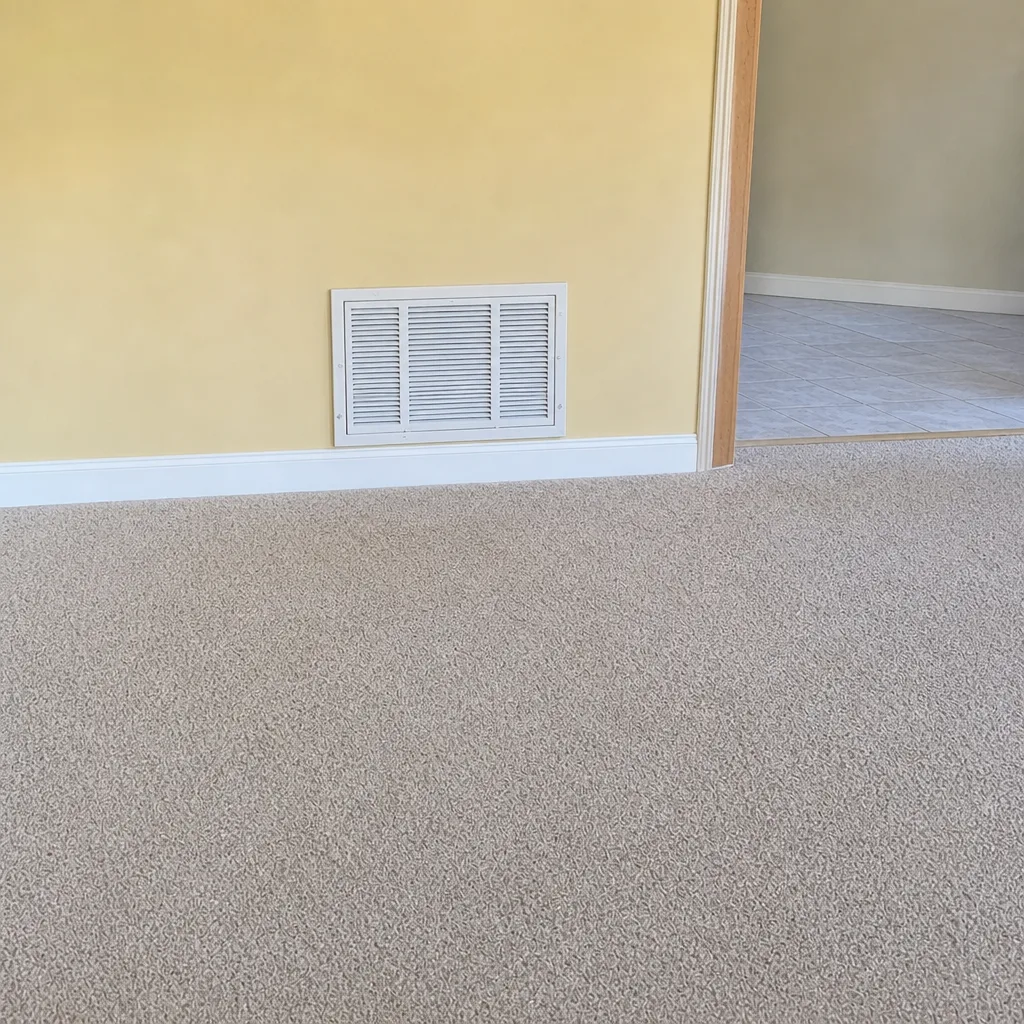 After
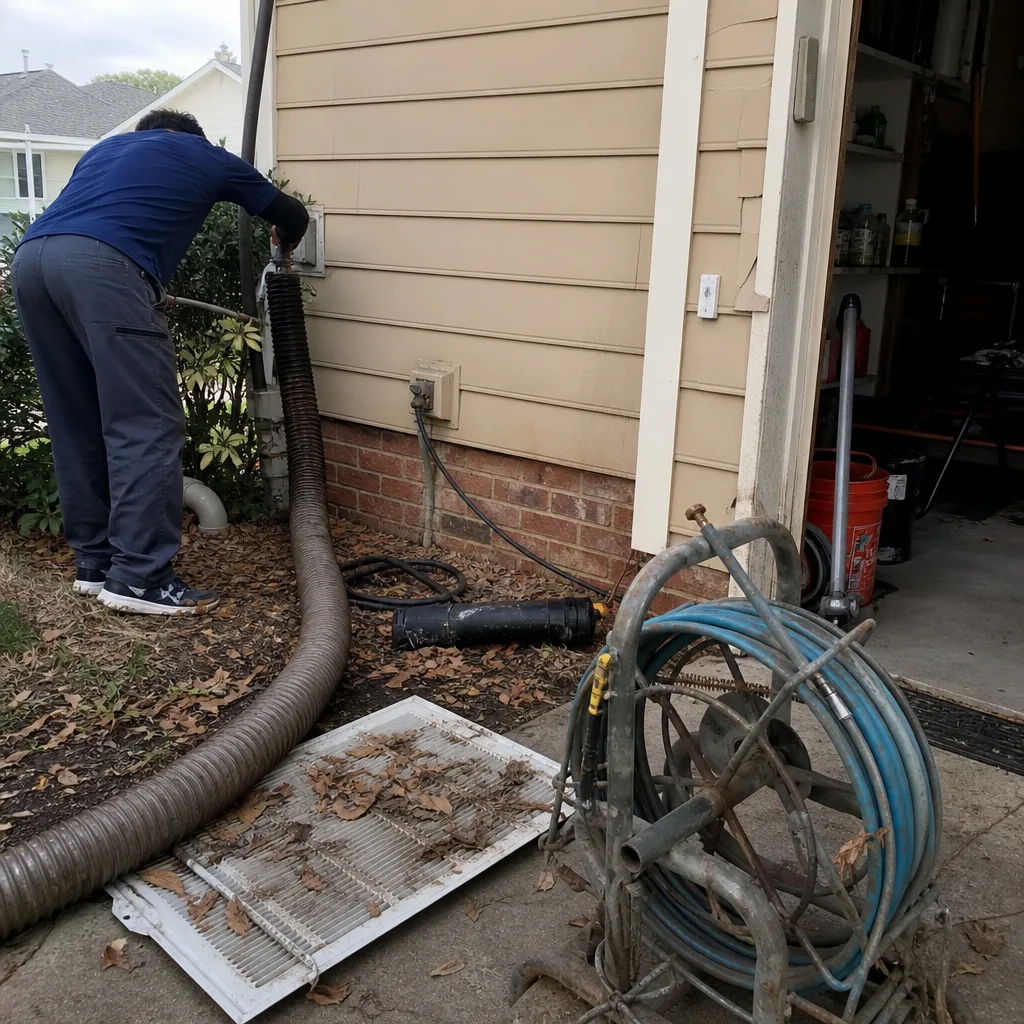 Before
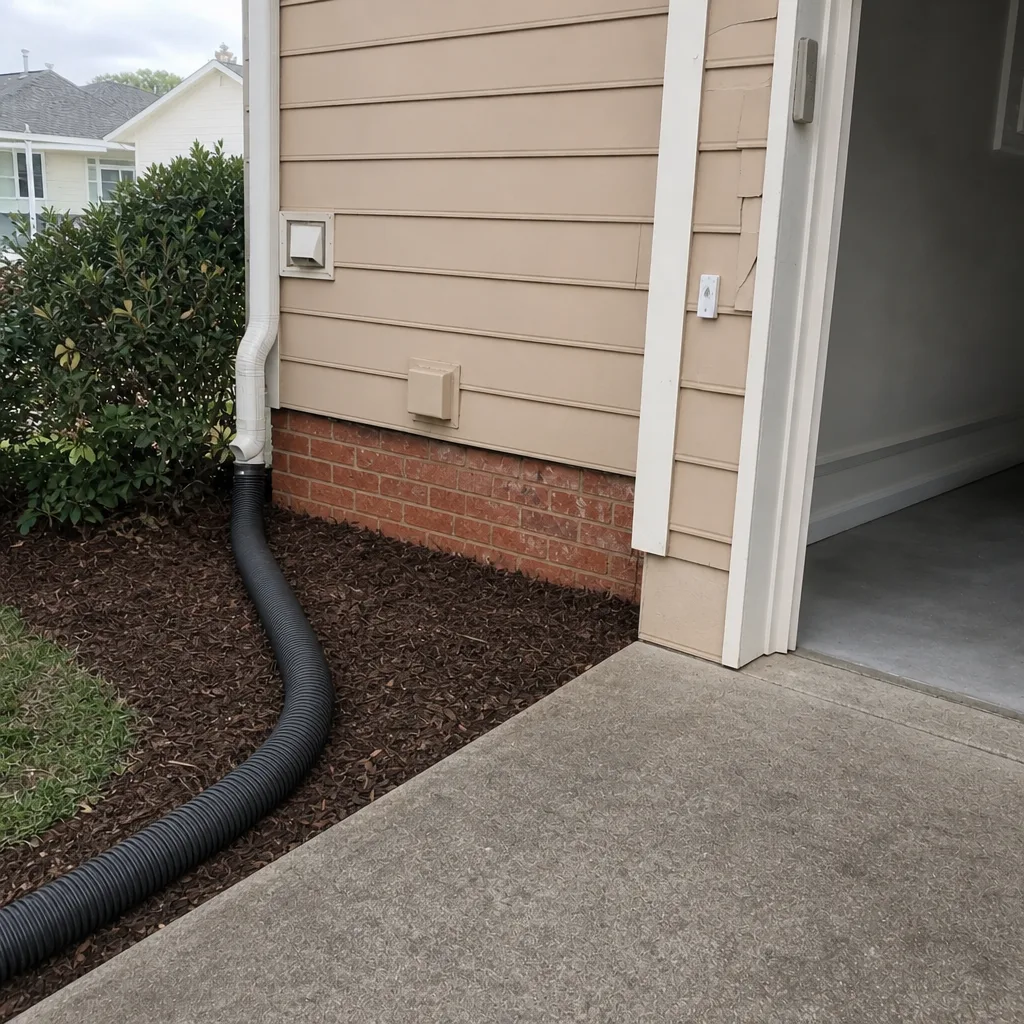 After
When to Call a Professional
Some situations call for a professional inspection rather than a filter change. If anyone in the household has persistent allergy or respiratory symptoms that worsen at home, if you notice a musty odor when the system starts, or if airflow from some registers is noticeably weaker than others, those are signs the problem is inside the system. The same goes for a recent construction or renovation project, visible dust around the registers, or a home you’ve just purchased with an unknown service history. Ductwork that’s visibly damaged, disconnected, or crushed needs structural attention, not just cleaning.
Air Duct Cleaning Brier Creek offers free estimates in Brier Creek – call (833) 509-3460. We answer 24/7. Fast dispatch from 7am to 7pm, Sunday through Friday. Our technicians have up to 12 years of experience, and every job is quoted as one flat price per system before work begins.
Frequently Asked Questions
Most full-system residential cleanings fall in a few hundred dollars, with the final number depending on system size, number of returns, and whether coil cleaning or sealing is included. We price per system, not per vent, and give you one flat figure in writing before any work starts. That written estimate sets the final price. Call (833) 509-3460 for an exact quote – estimates are free.
Cheaper quotes usually reflect a narrower scope: portable equipment instead of negative-pressure extraction, and ductwork only with no coil inspection. The low figure covers less work, and it’s often the entry point for an upsell once the technician is on site. Ask specifically whether the quote includes coil and air handler cleaning, and whether the vacuum is truck-mounted. Call (833) 509-3460 if you want a scope explained line by line – estimates are free.
You should receive before-and-after photographs of the inside of your own ductwork and coil, plus airflow readings taken after cleaning. Without documentation, there’s no way to verify the scope. We provide photographs and a written report as part of every job. Call (833) 509-3460 to ask what the report includes – estimates are free.
Most homes do well on a multi-year interval, but Brier Creek’s humid summers and heavy spring pollen push buildup faster than in drier climates. Homes with pets, recent construction, or allergy concerns in the household often benefit from a shorter interval. The honest answer comes from an inspection, not a schedule. Call (833) 509-3460 to book an assessment – estimates are free.
It can, when the contamination source is inside the system – a loaded coil, a dust-heavy return plenum, or microbial growth on wet surfaces. Cleaning removes the reservoir those particles come from. It won’t fix an allergen source outside the ductwork, which is why we inspect before recommending. Call (833) 509-3460 to talk through your situation – estimates are free.
Yes, and it’s the best time to do it. New construction leaves drywall dust and debris inside the ductwork, and cleaning before furniture and belongings arrive is far simpler than after. We also inspect the coil for construction particulate and check duct integrity while everything is accessible. Call (833) 509-3460 to schedule before your move-in date – estimates are free.
The Bottom Line
Your duct system isn’t one component. The supply trunk, return plenum, coil housing, and registers each hold contamination differently and each needs its own protocol. Brier Creek’s humid summers and pollen-heavy springs make that distinction more important, not less, because the wet parts of the system are where the real problems develop. Negative-pressure extraction is the baseline. Coil inspection is non-negotiable. Documentation is how you verify any of it happened. Get those three things right and the cleaning is worth doing; skip them and you’ve paid for a vacuum pass through the easy parts. Call (833) 509-3460 for a free estimate. We answer 24/7, with fast dispatch from 7am to 7pm, Sunday through Friday.
Written by the team at Air Duct Cleaning Brier Creek.