
Last updated November 23, 2026
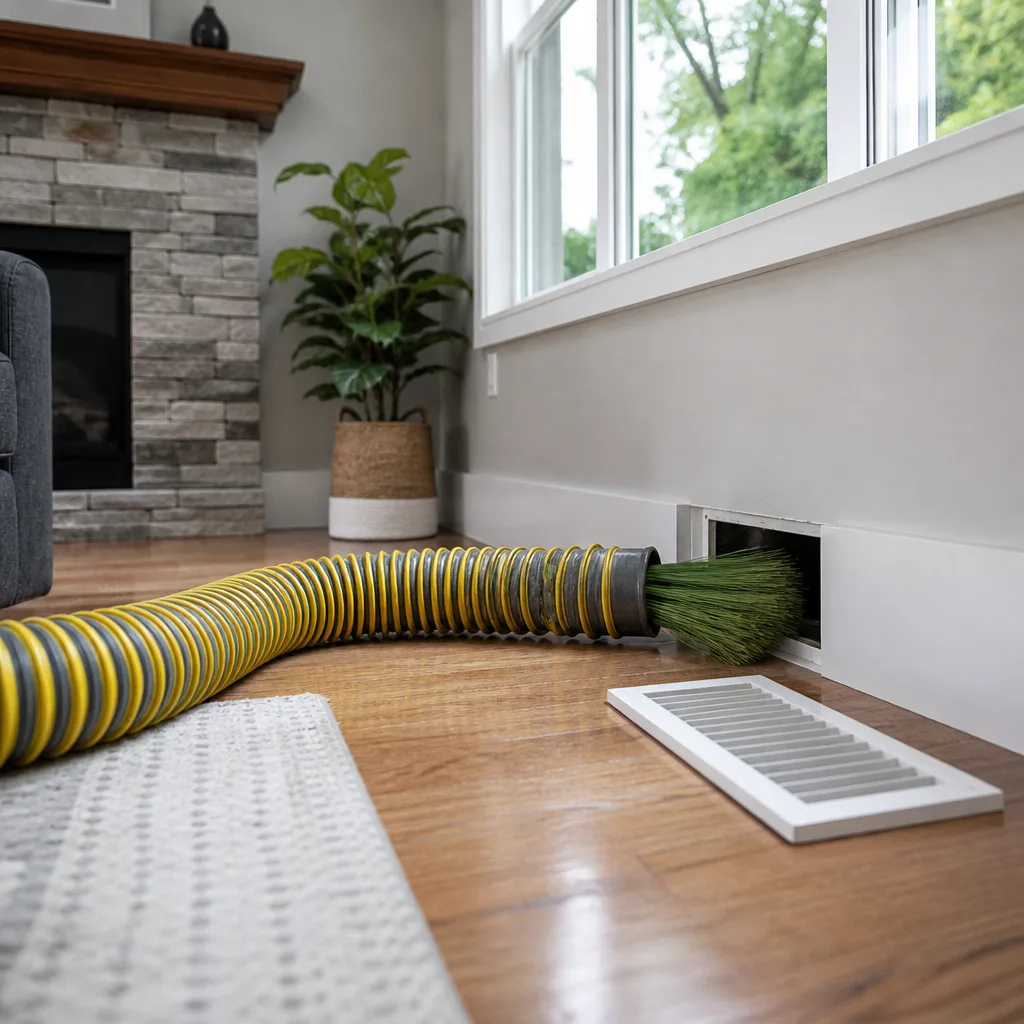 Whole-home duct cleaning
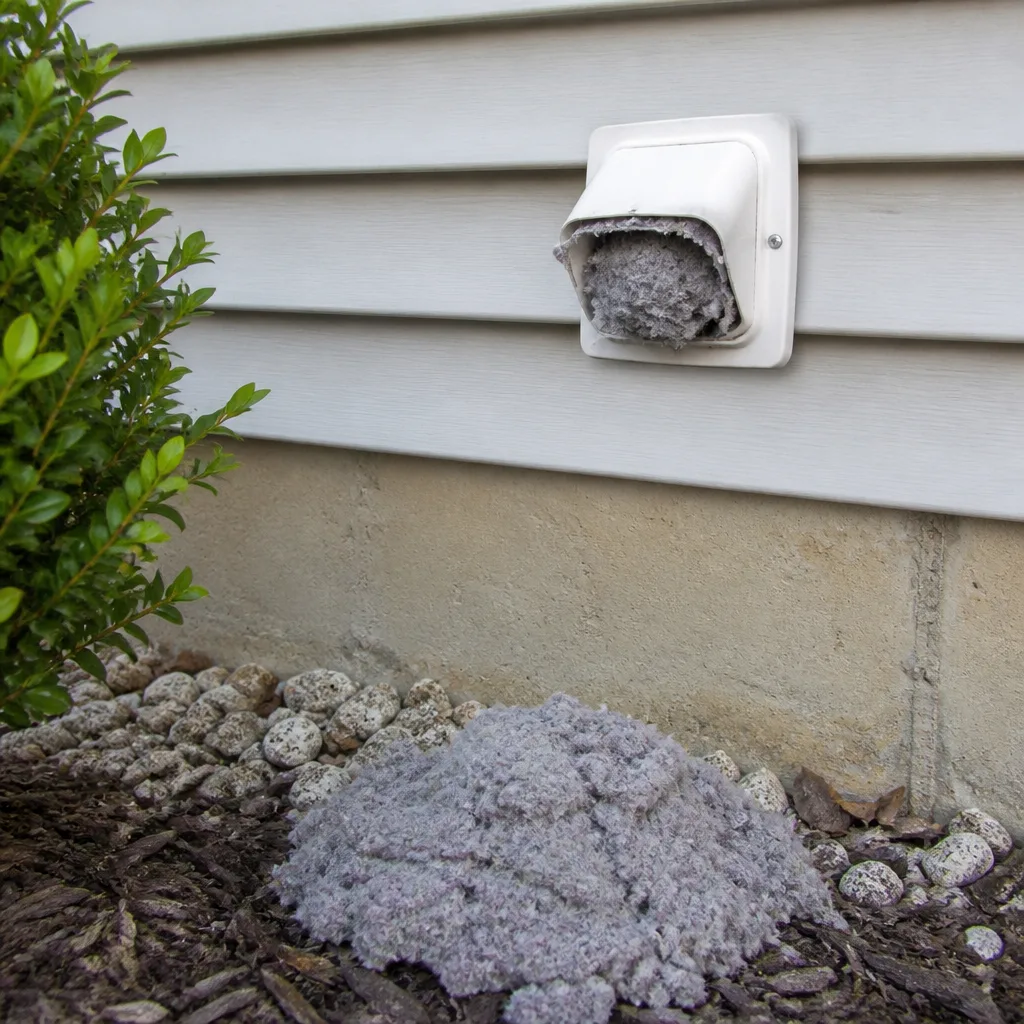 Dryer vent cleaning
 Camera inspection
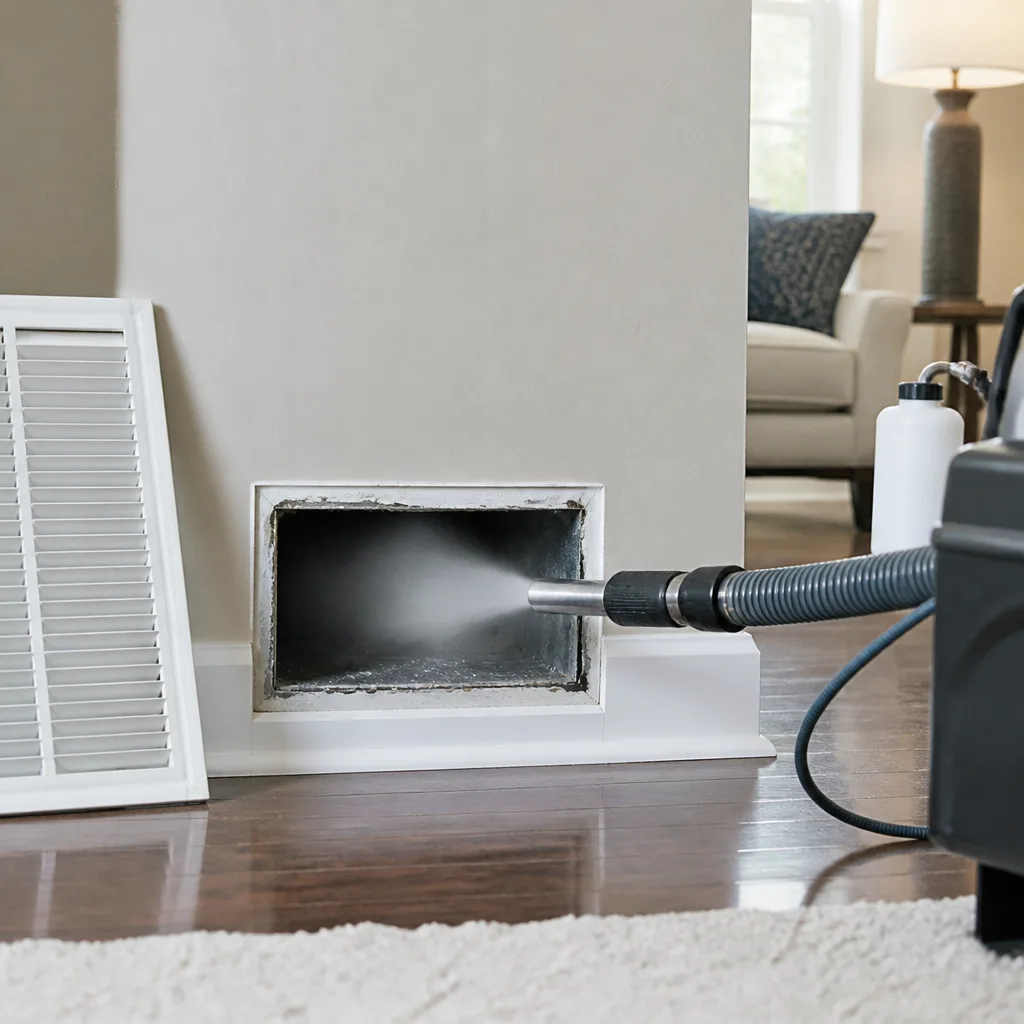 Sanitizing & deodorizing
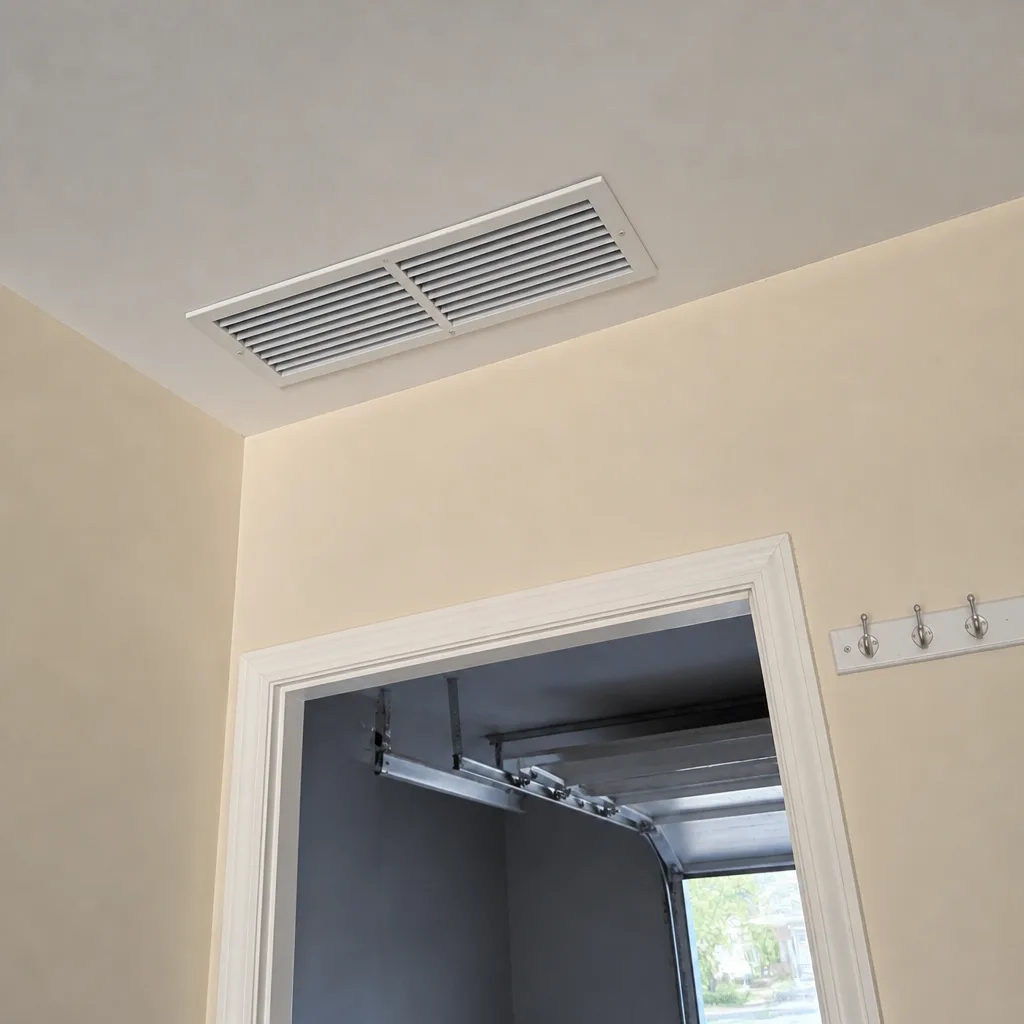
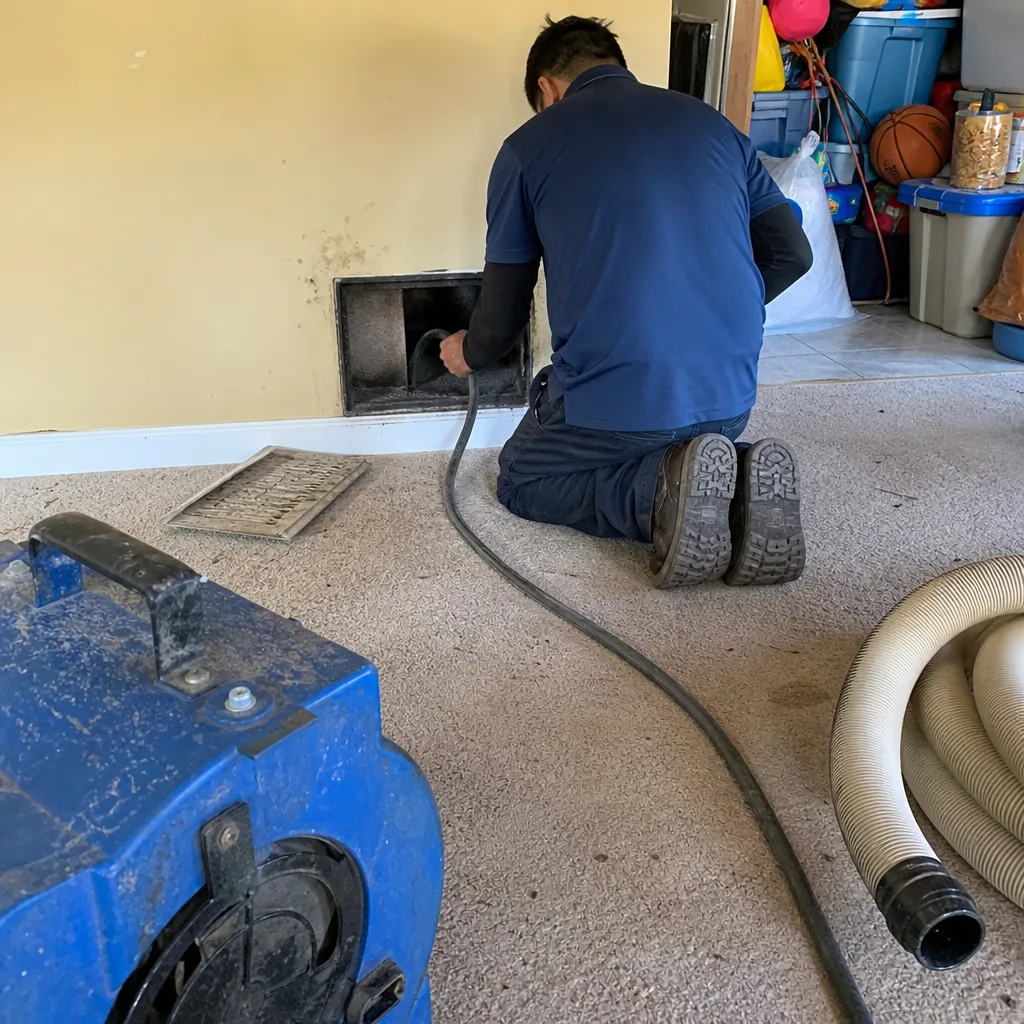
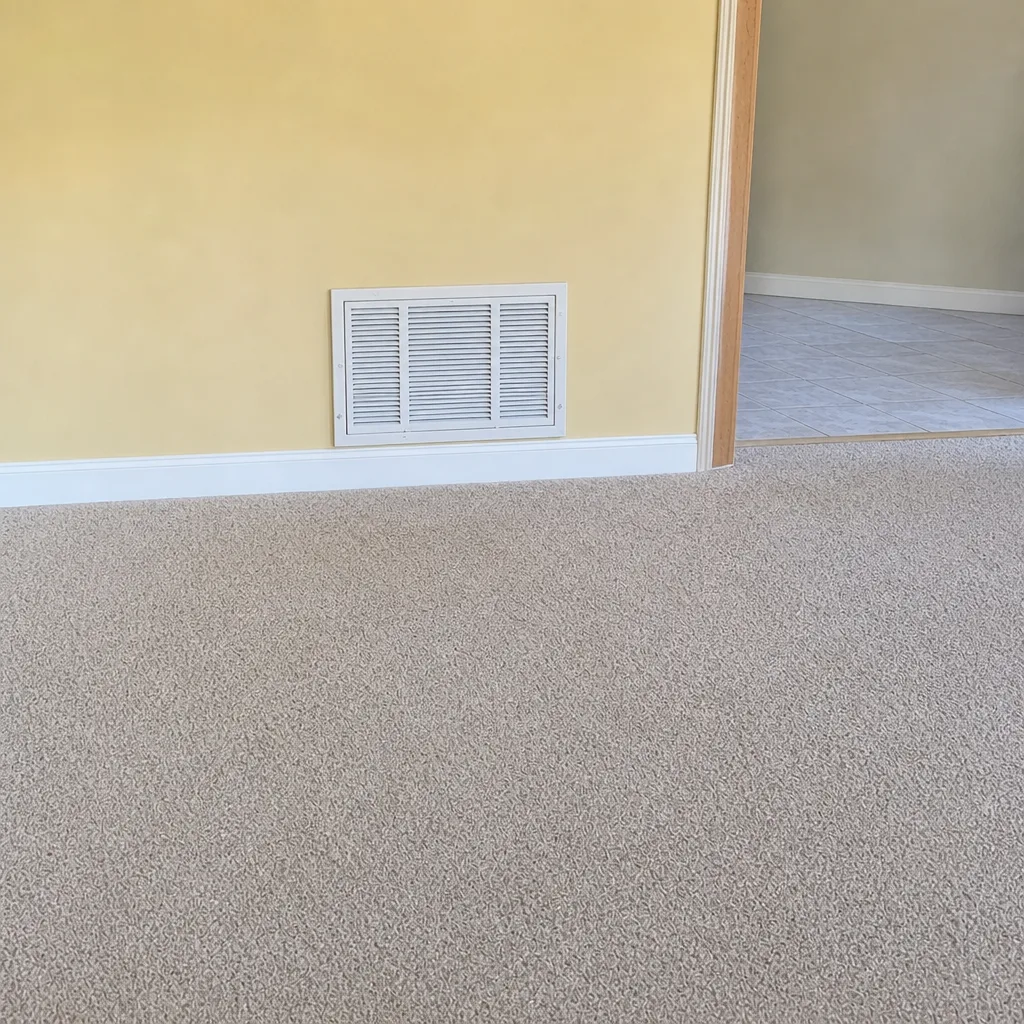
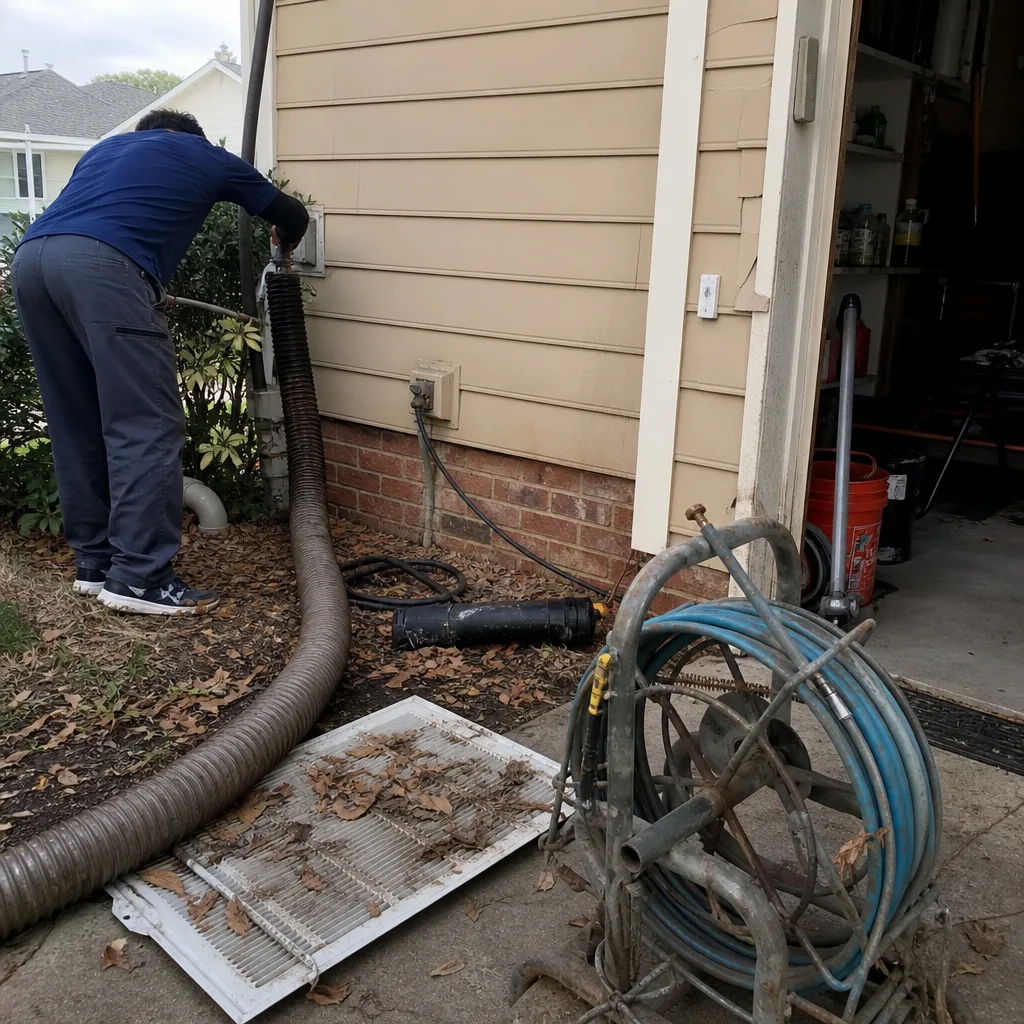
Whole-system duct and dryer vent check with before-and-after photos - you see exactly what came out of your vents
That "$99 whole-house special" is a bait ad - the real number appears once they are in your hallway, or the "clean" is a shop-vac at the register. We photograph the inside of your ducts before and after instead.
Seasonal Air Duct Cleaning Care for Brier Creek: Year-Round Homeowner’s Guide
Most homeowners treat air duct cleaning as an annual checkbox, something to schedule when the vents look dusty or a reminder pops up. That approach is always one season behind. The air moving through a Brier Creek home changes character four times a year, and each season loads the duct system with a different kind of contamination. Spring brings pollen; summer brings humidity and the conditions for mold; fall brings debris drawn toward return grilles; winter concentrates fine particles in a closed-up house. A single cleaning date can’t address four separate cycles. This guide maps the right care actions to each season’s conditions in Brier Creek, so you’re cleaning for what’s actually happening in your ductwork, not on a manufacturer’s default schedule.
Quick Answer
Seasonal air duct cleaning in Brier Creek means matching the work to each season’s contamination pattern rather than cleaning once a year on a fixed date. The critical window is late March through May, when spring pollen loads return ductwork, followed by a post-summer inspection for condensation and mold risk, a fall intake-point check, and winter particle management. A staggered calendar of filter changes, professional contact cleaning, and DIY register checks keeps the system current all year.
Styles & brands we work with
- Whole-home duct cleaning
- Dryer vent cleaning
- Camera inspection
- Sanitizing & deodorizing
Table of Contents
- Why Seasonal Care Beats Annual Cleaning in Brier Creek
- Spring: Pollen Season and Return Duct Loading
- Summer: Humidity, Condensation, and Mold Risk
- Fall: Debris Accumulation at Intake Points
- Winter: Particle Concentration in a Closed House
- Building Your Four-Season Maintenance Calendar
- The Equipment That Separates Real Cleaning from Air Movement
- Common Mistakes to Avoid
Why Seasonal Care Beats Annual Cleaning in Brier Creek
Brier Creek sits in one of North Carolina’s highest tree pollen zones. Raleigh-area pollen counts regularly exceed 2,000 grains per cubic meter in April, and a duct system running through spring pulls that biological particulate through return grilles for weeks before most homeowners think to schedule anything. By the time a May cleaning happens, the contamination has been circulating through every supply run in the house.
That’s the core problem with the once-a-year model: it’s reactive. You clean after the damage is done, then wait twelve months while three more cycles build up. A seasonal approach reads the calendar correctly. You clean ahead of the load instead of behind it.
In Brier Creek, the four cycles line up like this:
- Spring (late March through May): biological particulate, pollen, and spores load the return side.
- Summer (June through August): humidity above 70% RH drives condensation on supply duct exteriors and coil surfaces.
- Fall (September through November): dropping temperatures and reduced ventilation draw debris toward intake points near attic and crawl space entries.
- Winter (December through February): closed windows and heating cycles concentrate ultrafine particles in recirculated air.
Each of these needs a different action. Treating them as one annual event means you’re always answering last season’s problem. Our technicians have up to 12 years of experience reading these patterns in homes across the area, and the difference between a system cleaned seasonally and one cleaned annually is visible in the duct interior. For a baseline on what a full cleaning involves, see our air duct cleaning page.
Spring: Pollen Season and Return Duct Loading
Late March through May is the highest-risk period of the year for pollen and spore accumulation in Brier Creek return ductwork. The system is running in cooling mode by April in most years, pulling outside air and interior air through return grilles while tree pollen peaks. Whatever passes the filter settles on duct walls, and because return ducts carry air back to the air handler at low velocity, debris has time to adhere.
What most spring cleanings miss is everything past the ducts. A pre-summer service should include the evaporator coil and the drain pan, because pollen and spores that make it through the filter land on the coil’s wet surfaces and the standing condensate in the pan. Cleaning the ductwork without addressing the coil leaves the biological load in place, and the next cooling cycle distributes it right back through the supply side.
A proper spring service covers:
- Contact cleaning of return and supply duct interiors using Rotobrush equipment, which physically agitates and extracts debris from duct walls rather than blowing it downstream.
- Extraction with Nikro professional HVAC equipment to pull loosened material out of the system.
- Coil inspection and cleaning, since the coil is where air meets moisture.
- Drain pan clearing to remove standing water and the biofilm it supports.
- Filter upgrade to a higher MERV rating for the pollen months, matched to what your blower can handle without restricting airflow.
Spring is also when a sanitizing treatment makes the most sense. Applying Abatement Technologies air-purification-grade filtration during the sanitizing step addresses the biological particulate that contact cleaning loosens. If you want a full-system approach that covers the air pathway from intake to output, spring is the season to schedule it in Brier Creek.
Summer: Humidity, Condensation, and Mold Risk
Summer in Brier Creek routinely pushes humidity above 70% RH, and that’s the condition that matters most for duct health. High humidity creates condensation risk on supply duct exteriors and on interior coil surfaces. A supply duct running through a hot attic or a humid crawl space can sweat, and every wet surface inside the duct system is an invitation for mold colonization.
Mold needs three things: moisture, a food source (dust and organic debris), and the right temperature. Brier Creek summers supply all three. The coil stays wet through the cooling season, the ducts carry settled dust, and the interior of a home stays warm. That combination is why summer is when musty odors show up first, usually strongest near the air handler or at supply registers in rooms that feel dampest.
What to watch for during summer in Brier Creek:
- A musty or earthy smell when the system starts up, which points to coil or duct moisture.
- Visible moisture or staining on duct exteriors in unconditioned spaces.
- Uneven airflow, a sign that wet debris has narrowed a run or that the coil is fouled.
- Allergy symptoms that get worse indoors during the hottest, most humid weeks.
If a duct system shows signs of condensation, cleaning alone won’t fix it. Wet duct insulation and leaking connections need repair. This is where duct repair and sealing earns its place as a core service: sealing the leaks addresses the structural cause of air loss and moisture entry that cleaning can’t reach. The principle is simple. Seal the leaks, not just clean the ducts. During summer, we also check Honeywell and Aprilaire filtration and humidity controls on the same visit, so cleaning and air quality upgrades happen together rather than in separate appointments.
Fall: Debris Accumulation at Intake Points
As outside temperatures drop through September and October, ventilation in a Brier Creek home decreases. Windows close, the system switches from cooling to heating, and the air pathway tightens. That’s when debris accumulates at the intake points, and the locations that matter most are return grilles near attic pull-downs, crawl space entries, and exterior walls.
These spots share one trait: they connect to spaces that hold dust, insulation fibers, and biological debris. A return grille mounted near an attic access hatch pulls air from a zone that’s rarely cleaned. A return near a crawl space door draws from the most humid, dust-heavy part of the house. As airflow increases in fall with the heating season starting, those grilles become collection points, and the debris they gather goes straight into the return ductwork.
A fall service in Brier Creek should focus on the intake side:
- Inspect and clean every return grille, paying close attention to those near attic, crawl space, or exterior wall entries.
- Check the seal around access hatches and crawl space doors, since gaps let debris in continuously.
- Verify the filter fits its frame tightly, because a loose filter lets unfiltered air bypass into the system.
- Clear the drain pan and check for summer’s leftover moisture before the heating season locks the house up.
Fall is also the right time for HVAC cleaning, because a system cleaned before the heating season starts the winter with a clean air pathway to recirculate. Cleaning in November means the particles concentrated all winter are moving through a duct system that started clean.
Winter: Particle Concentration in a Closed House
Winter is when heating cycles with closed windows concentrate ultrafine particles recirculated through the duct system, and it’s the season when residents with respiratory sensitivities report the most symptoms. A Brier Creek home in January runs the heat with every window shut, so air recirculates through the same ductwork dozens of times a day, and each pass picks up fine particulate that settles from the air and from duct surfaces.
Ultrafine particles are the smallest fraction of airborne debris, and they carry the deepest into the respiratory system. In a sealed house, they have nowhere to go. The heating cycle pulls air up through returns, across the blower and heat exchanger, and out through supply registers, over and over. Without fresh air dilution, concentration builds through the season.
What winter care in Brier Creek looks like:
- Change the filter on a schedule that matches the heating cycle, not the cooling cycle, since heating runs longer per hour in cold weather.
- Vacuum supply and return registers with a brush attachment as a homeowner task, to keep surface debris from re-entering airflow.
- Keep return grilles clear of furniture and rugs so the system isn’t straining to draw air.
- Schedule a professional contact cleaning before winter if the fall service was skipped, so the season starts clean.
Indoor air quality from intake to output means treating winter as the season the system is working hardest with the fewest natural escapes. A homeowner who seals the house for warmth is also sealing in whatever the ducts are holding.
Building Your Four-Season Maintenance Calendar
The right calendar staggers filter upgrades, professional cleaning, and DIY register inspections to match actual contamination cycles rather than manufacturer default intervals. Manufacturer intervals assume an average climate and average use. Brier Creek isn’t average on any of these fronts, so the calendar should be built around the four cycles above.
Here’s a working calendar for a Brier Creek home:
- Late February / early March: Filter upgrade to a higher MERV rating ahead of pollen season. Inspect registers yourself and note any that look heavily soiled.
- Late March through May: Schedule professional contact cleaning with coil and drain pan service. This is the highest-value cleaning of the year.
- July: Mid-summer homeowner inspection. Check for musty odors, moisture staining on duct exteriors, and uneven airflow. Call if anything shows up.
- September: Filter change. Inspect return grilles near attic and crawl space entries yourself, and note gaps around access doors.
- October / November: Professional HVAC cleaning before the heating season locks the house up. Have any duct leaks sealed in the same visit.
- December through February: Filter changes on a shorter interval. Keep returns clear and vacuum registers. No professional visit needed if the fall service was done.
That’s two professional cleanings a year rather than one, each timed to its season’s load, plus filter changes at the two transition points. The staggering matters. A spring cleaning without a fall follow-up leaves the system loaded heading into winter, which is exactly the season you don’t want to start dirty. For the dryer vent side of the calendar, which follows its own lint-based cycle, see our dryer vent cleaning page.
The Equipment That Separates Real Cleaning from Air Movement
The difference between a real cleaning and a cosmetic one is contact. Consumer vacuums and air-only blowers don’t touch duct walls, so debris stays settled while the air reads clean at the register. Professional cleaning means physically agitating the duct interior and extracting what loosens.
We run Rotobrush contact-cleaning systems on every job. Rotobrush is the industry benchmark for physically agitating and extracting debris inside duct walls, not just blowing air through them. Every job also uses Nikro professional HVAC extraction equipment, the same tools used by commercial restoration and remediation contractors. When sanitizing is part of the service, we apply Abatement Technologies air-purification-grade filtration, and we stock and service Honeywell and Aprilaire air quality systems so cleaning and filtration upgrades happen in a single visit.
Full-system means the entire air pathway: returns, supply runs, air handler, coil, drain pan, and the leaks connecting them. Cleaning is only half of that. Duct repair and sealing addresses the structural root causes of air loss and contamination, which cleaning alone cannot fix. A duct system that leaks pulls in unconditioned air from attics and crawl spaces, and no amount of cleaning resolves that without sealing the gaps.
Common Mistakes to Avoid
- Cleaning once a year on a fixed date. In Brier Creek’s four-season climate, an annual date is always behind one of the cycles. The system is loaded by the time it gets cleaned, and reloaded before the next visit.
- Skipping the coil and drain pan during spring service. Pollen that reaches the wet coil stays there and feeds the next cooling cycle. Cleaning ductwork without the coil leaves the biological load in place.
- Ignoring humidity through summer. Condensation on supply duct exteriors and coil surfaces is the condition that enables mold. A musty smell in July is a signal, not a nuisance to live with.
- Overlooking returns near attic and crawl space entries. These grilles collect the most debris in fall and are the easiest to forget. Check them during the fall inspection and clean them as part of the annual schedule.
- Cramming the highest-MERV filter into any system. A filter too restrictive for the blower cuts airflow and strains the system. Match the filter to what your equipment can handle, especially during pollen season when higher ratings look tempting.
- Assuming cleaning fixes leaky ducts. Leaks in the duct system pull in unconditioned air year-round. Sealing is a separate, structural fix that cleaning can’t address.
- Treating winter as a rest season for the system. Winter is when a closed house concentrates ultrafine particles through the longest heating cycles of the year. It’s the season to start clean, not skip.
See the difference
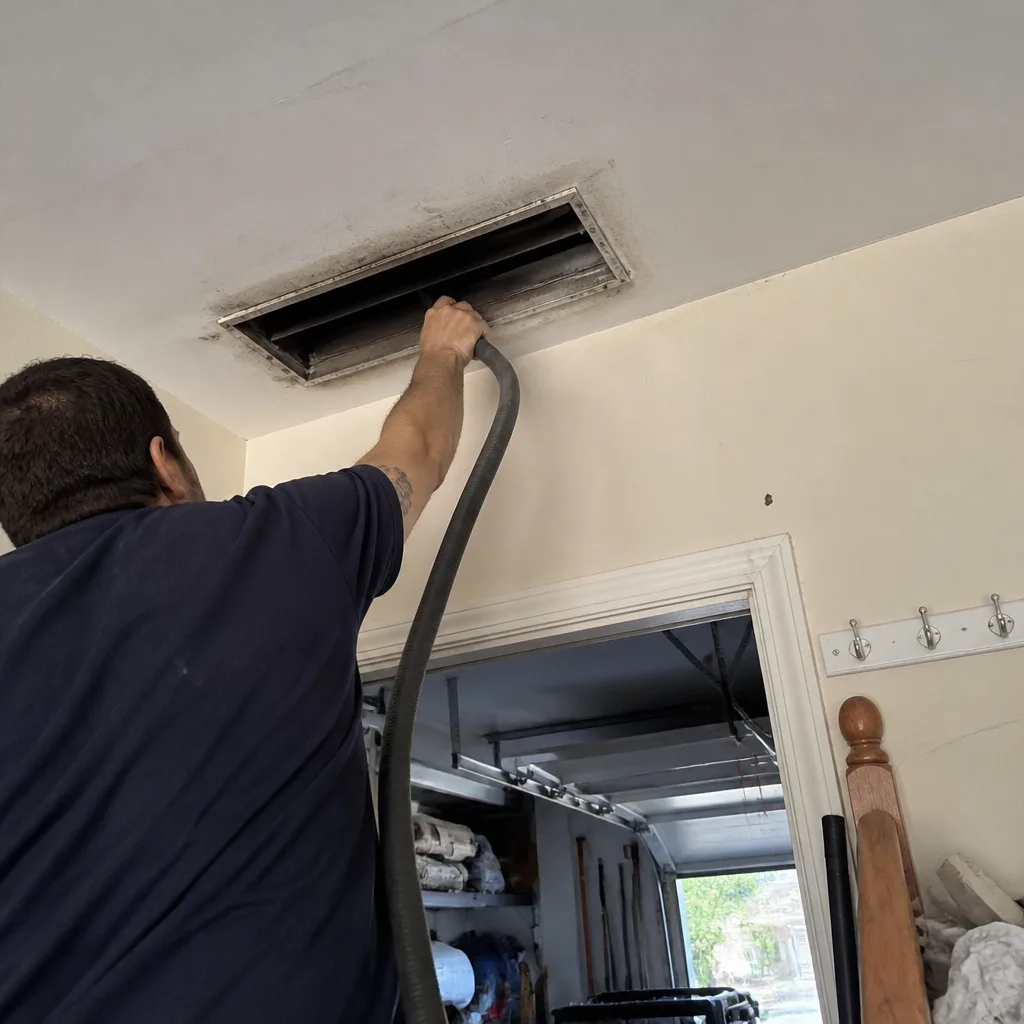 Before
 After
 Before
 After
 Before
 After
When to Call a Professional
Some seasonal work is a homeowner task: filter changes, register vacuuming, and visual inspection of grilles near attic and crawl space entries. Other situations call for a professional contact cleaning. If you notice a musty or earthy odor at system startup, visible moisture or staining on duct exteriors, allergy symptoms that worsen indoors during humid weeks, uneven airflow across rooms, or a visible dust film on registers that returns within weeks of cleaning, the system needs more than a filter change. Homes with recent renovation dust, a new HVAC installation, or visible mold around supply registers should be assessed before the next seasonal cycle begins.
Air Duct Cleaning Brier Creek offers free estimates in Brier Creek. Call (833) 509-3460. We answer 24/7. Fast dispatch from 7am to 7pm, Sunday through Friday. The estimate is free, the price is set per job by the written estimate, and you get before-and-after photos of your own ductwork so you can see exactly what was removed.
Frequently Asked Questions
Twice a year in most Brier Creek homes, once in spring before pollen season peaks and once in fall before the heating season starts. The four-season climate loads the system in different ways each season, so a single annual cleaning is always one cycle behind. Homes with pets, allergy sufferers, or recent renovations benefit from the same twice-a-year schedule with more frequent filter changes. Call (833) 509-3460 for an exact quote. Estimates are free.
Spring is the highest-risk period for pollen and spore accumulation in return ductwork, which makes a pre-summer cleaning the highest-value service of the year. Brier Creek sits in one of North Carolina’s highest tree pollen zones, and pollen counts regularly exceed 2,000 grains per cubic meter in April. A spring cleaning that includes the coil and drain pan removes the biological load before the humid summer feeds it. Call (833) 509-3460 to schedule before the peak.
A musty smell in summer usually points to moisture on the coil or duct surfaces, driven by Brier Creek’s humidity, which frequently runs above 70% RH. Mold colonization needs moisture, a food source, and warmth, and a wet coil with settled dust supplies all three. Cleaning plus duct repair and sealing addresses both the contamination and the moisture source. Call (833) 509-3460 for an assessment. Estimates are free.
Frequent filter changes help, but they don’t clean duct walls. Filters catch what passes through them, and settled debris on duct interiors stays put until it’s physically agitated and extracted with contact cleaning equipment. A filter change schedule is part of the four-season calendar, not a replacement for professional cleaning. Call (833) 509-3460 to talk through what your system needs.
A fall cleaning should focus on the intake side: return grilles, especially those near attic pull-downs and crawl space entries, plus seal checks around access hatches and a filter fit verification. It should happen before the heating season starts, so winter runs on a clean air pathway. If leaks show up in the inspection, sealing them in the same visit addresses the root cause. Call (833) 509-3460 for a free estimate.
Winter concentrates ultrafine particles in a closed house because heating cycles recirculate the same air through the duct system repeatedly with no fresh-air dilution. It’s the season residents with respiratory sensitivities report the most symptoms. Starting winter with a clean system, and changing filters on the heating cycle’s shorter interval, reduces the load. Call (833) 509-3460 to book a cleaning before the season.
The Bottom Line
Brier Creek’s four-season climate creates four distinct contamination cycles in HVAC duct systems, and a single annual cleaning can’t keep up with any of them. Spring loads the returns with pollen and needs coil and drain pan service alongside duct cleaning. Summer’s humidity above 70% RH creates condensation and mold risk that cleaning alone won’t resolve without sealing the leaks. Fall draws debris to intake points near attic and crawl space entries. Winter concentrates ultrafine particles in a closed house running the heat for months. Build a staggered calendar: filter upgrades ahead of spring and fall, professional contact cleaning in late spring and late fall, and DIY register inspections at the transition points. Match the work to the season, and the system stays current all year.
Call (833) 509-3460 for a free estimate. We answer 24/7. Fast dispatch from 7am to 7pm, Sunday through Friday. Every job runs on Rotobrush contact-cleaning and Nikro extraction equipment, with before-and-after photos of your own ducts so you can verify the work.
Written by the team at Air Duct Cleaning Brier Creek.