
Last updated November 23, 2026
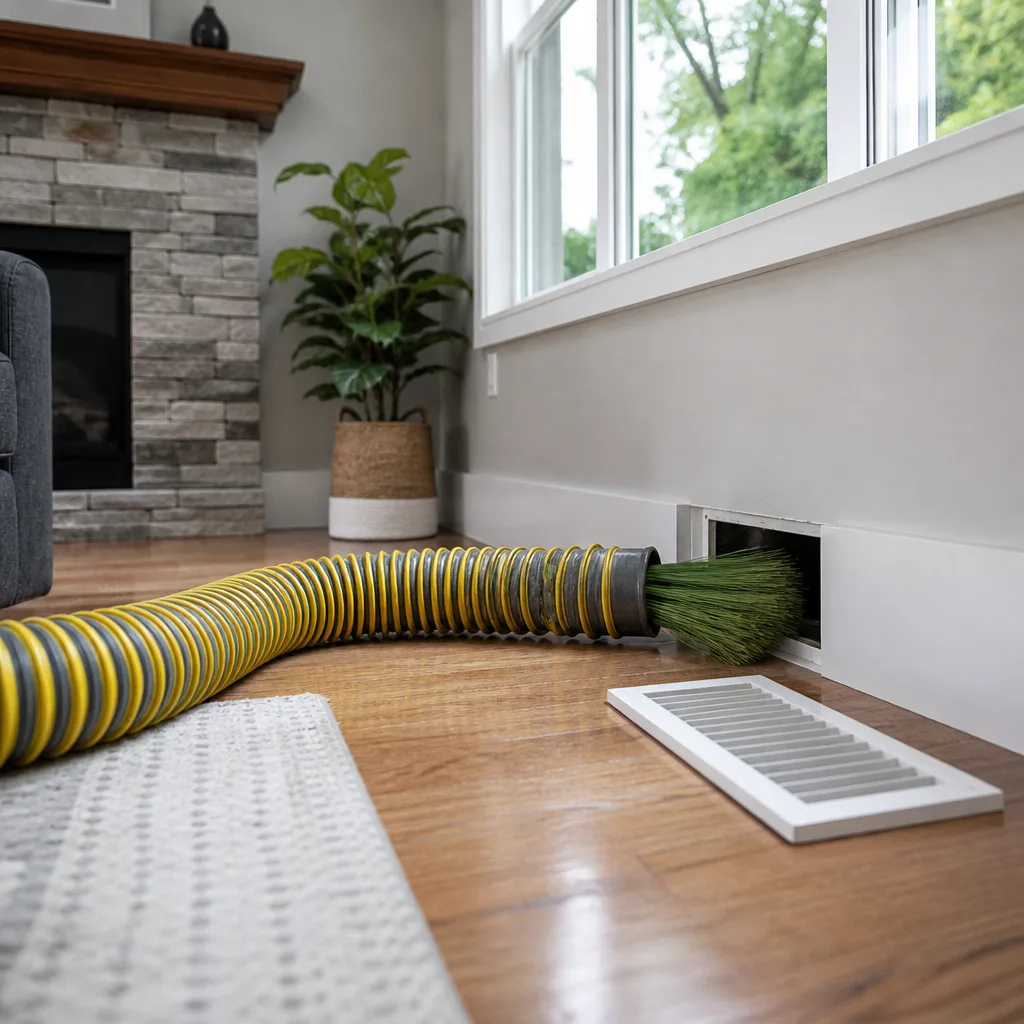 Whole-home duct cleaning
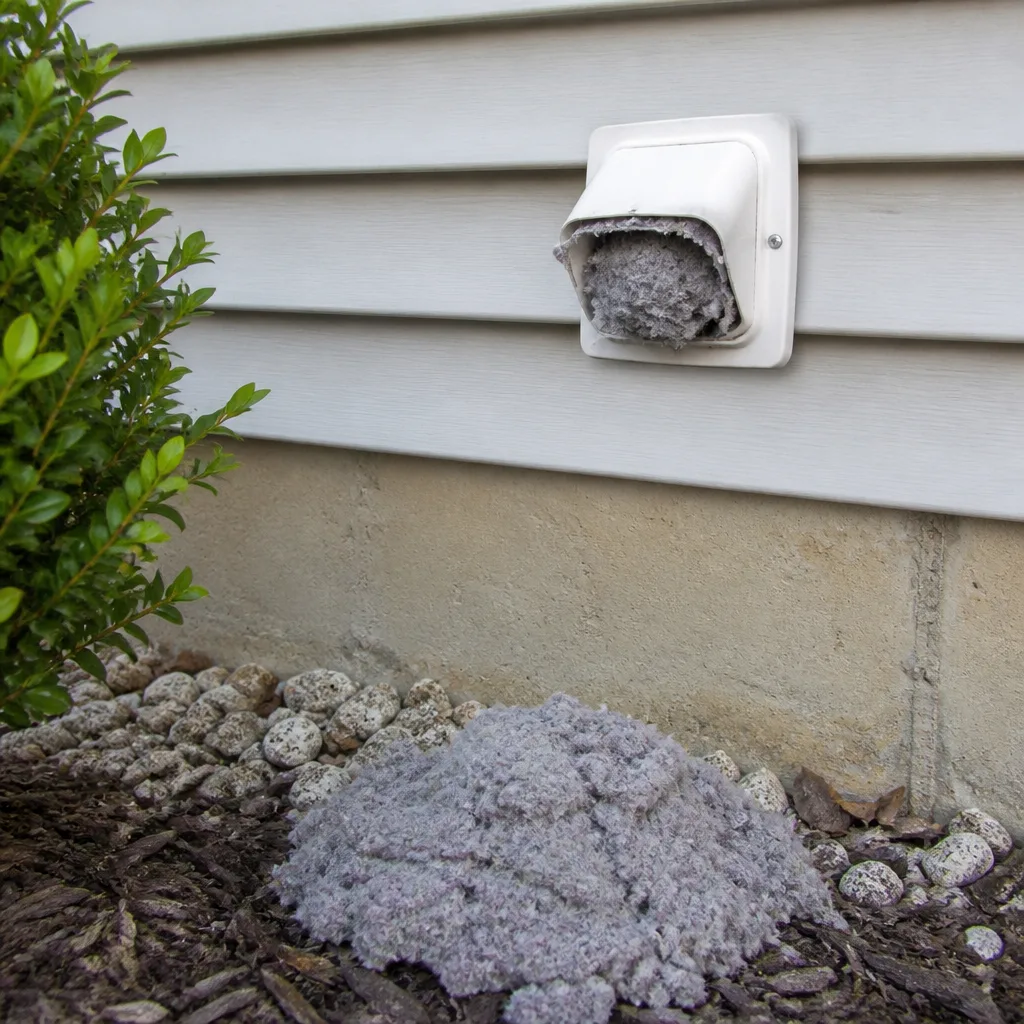 Dryer vent cleaning
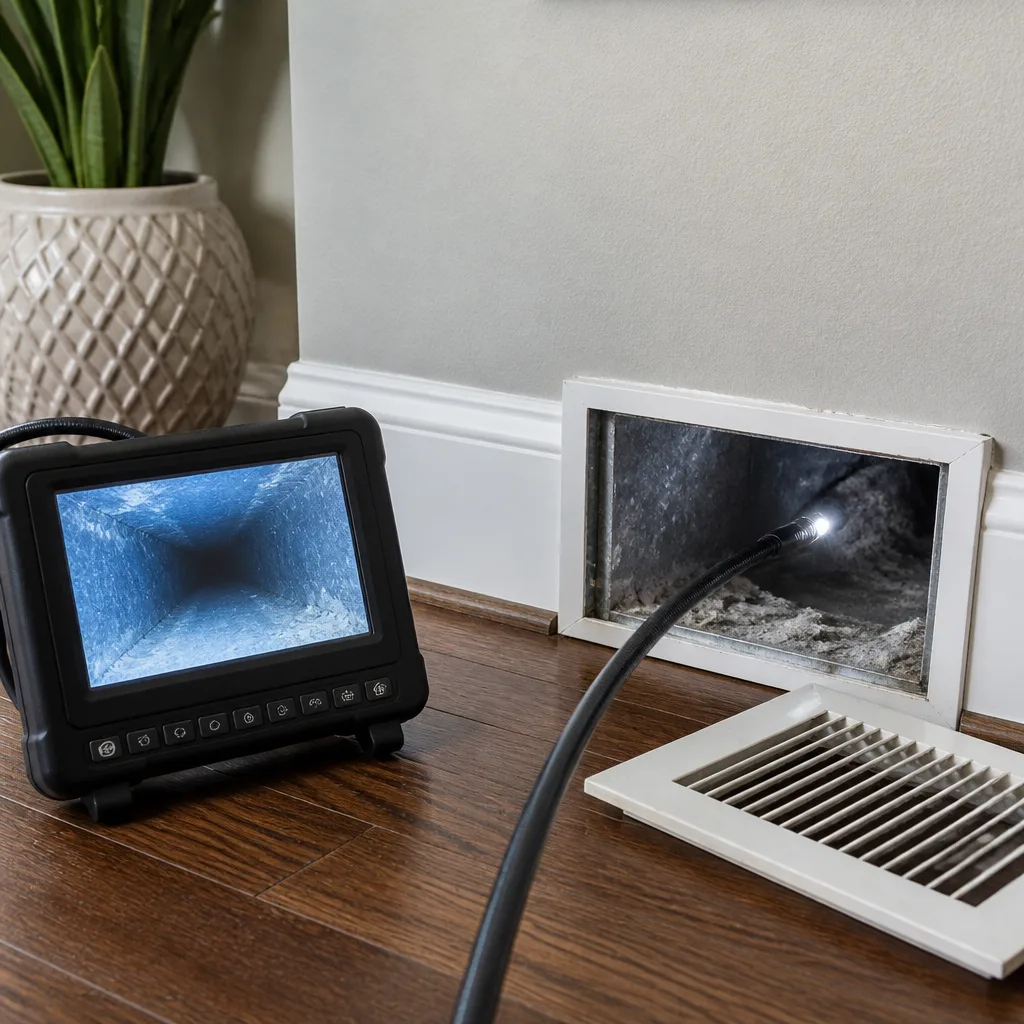 Camera inspection
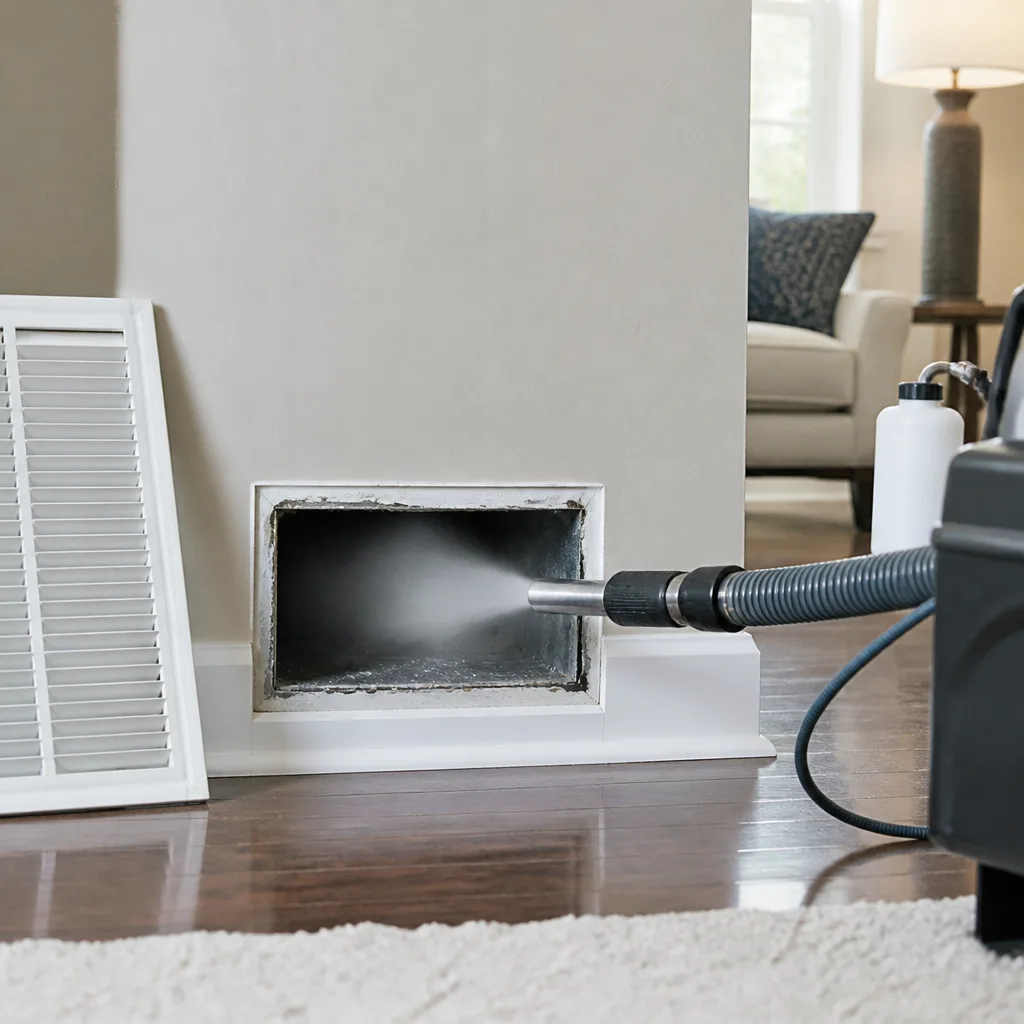 Sanitizing & deodorizing
Whole-system duct and dryer vent check with before-and-after photos - you see exactly what came out of your vents
That "$99 whole-house special" is a bait ad - the real number appears once they are in your hallway, or the "clean" is a shop-vac at the register. We photograph the inside of your ducts before and after instead.
Air Duct Cleaning Emergency Preparedness Guide for Brier Creek Homes
After a kitchen fire, most homeowners focus on what they can see: scorched cabinets, smoke-stained walls, the smell that won’t leave the living room. What they rarely think about is the duct system, and that’s the problem. Smoke particulate enters the return ductwork within minutes of a fire event, and if the HVAC system keeps running afterward, it redistributes carbonized particles and volatile organic compounds to every room in the house for months. The same logic applies to floodwater, storm damage, and a failed air conditioner in the middle of a Brier Creek summer. This guide walks you through what actually happens to your ducts during an emergency, what to shut off and when, what to document for your insurer, and what a proper restoration should involve. By the end, you’ll know how to protect the air pathway in your home instead of treating it as an afterthought.
Quick Answer
After a fire, flood, storm, or extended HVAC failure, shut down the air handler immediately and keep it off until the duct system has been professionally inspected and cleaned. Running the system circulates smoke, mold spores, sewage aerosols, or debris through every room, and the longer it runs, the deeper contamination settles into duct walls and insulation. A full-system inspection and cleaning, followed by duct repair and sealing where damage exists, is the standard recovery path for Brier Creek homes.
Styles & brands we work with
- Whole-home duct cleaning
- Dryer vent cleaning
- Camera inspection
- Sanitizing & deodorizing
Table of Contents
- Post-Fire Protocol: What to Do in the First Hour
- Flood and Water Intrusion: The 24-72 Hour Window
- Storm and Severe Weather: What to Check After Wind Damage
- HVAC Failure in a Brier Creek Summer
- What to Tell Your Insurance Adjuster
- What Full-System Restoration Actually Involves
- Building a Duct Preparedness Plan Before Anything Happens
Post-Fire Protocol: What to Do in the First Hour
The single most important action during and immediately after a fire event is shutting down the HVAC system at the thermostat and, ideally, at the breaker. Fire produces carbonized particles small enough to pass straight through a standard filter, and a running air handler is a delivery mechanism. Within minutes, those particles travel into the return ducts and coat the inside of the supply runs. Units with internal fiberglass duct liner are especially vulnerable because smoke odor absorbs into the porous surface and will not come out with surface wiping.
Beyond the ducts themselves, the evaporator coil behind the air handler becomes a collection point. Coils are damp from normal operation, and smoke particles stick to that moisture. Once they settle, every time the system runs afterward you get a fresh push of odor and fine particulate into the living space. This is the pattern we see most often in homes where the HVAC ran during and after the fire.
A proper post-fire duct response follows a sequence:
- Shut off the HVAC at the thermostat and breaker before anything else.
- Have a restoration assessment document visible damage and smoke spread, including the return side, which is often worse than the visible supply vents.
- Perform contact cleaning of every duct run using a mechanical agitation system, not just negative air pressure. Rotobrush contact-cleaning equipment is standard here because the brush physically scours duct walls rather than relying on airflow alone.
- Clean and evaluate the evaporator coil, blower, and air handler cabinet.
- Sanitize the duct interior with a treatment that addresses odor and residual microbial growth.
- Replace the filter and, if the duct seams or joints were compromised by heat, repair the structural damage before the system is returned to service.
Anyone who tells you a fire-damaged system just needs a filter change and a vent wipe-down is not describing the work accurately. Smoke contamination is a duct-wall problem, and it needs a full-system response.
Flood and Water Intrusion: The 24-72 Hour Window
When standing water enters a crawl space or basement, the duct system becomes a humid environment fast. Ductwork that runs through unconditioned space absorbs that moisture, and within 24 to 72 hours you have the conditions mold needs to colonize the interior walls and any insulation liner. The visible water may be pumped out in a day, but the ducts dry much more slowly, and a sealed duct interior traps humidity in place with no way to vent.
In our experience, the most common failure mode after a water intrusion event is homeowners turning the system back on too soon to “dry things out.” That pushes humid air, and any spores that have started to grow, through every room. A better sequence for Brier Creek homes after floodwater exposure:
- Keep the HVAC off until the crawl space or basement humidity has stabilized and been measured.
- Have an emergency duct inspection performed before any restoration contractor seals up walls or subfloor.
- Confirm that the inspection report documents interior duct moisture, visible biological growth, condition of duct insulation, and any structural separation at joints.
- Get a cleaning and sanitizing scope in writing that includes the air handler and coil, not just the visible duct runs.
- Address duct repair and sealing only after cleaning, so any newly sealed seams start from a clean interior.
The documentation step matters beyond your own peace of mind. Water intrusion claims are frequently contested, and a written duct inspection report with photos is your evidence that the duct system was affected, not just the visible rooms.
Storm and Severe Weather: What to Check After Wind Damage
Wake County sees strong summer thunderstorms, and wind-driven debris and falling limbs create duct problems that aren’t always obvious. A tree limb hitting the roof can compress or dislodge flex duct in the attic without leaving any sign in the living space. Power surges from lightning can also take out the blower motor or control board, which leaves the ducts sitting with residual moisture and no airflow to dry them.
Here’s what to check after a significant weather event in Brier Creek:
- Visual duct condition in the attic. Look for crushed flex duct, separated joints, or duct runs that have fallen off their hangers.
- Airflow at each supply register. A sudden drop in one room while others stay normal usually means a disconnected or crushed run.
- HVAC function. If the system won’t turn on after a storm, don’t keep resetting the breaker. A failed component can leave the ducts damp.
- Odor or mustiness. Any new smell in the home after a storm is worth investigating at the duct level, not just with air fresheners.
- Debris entry. If exterior intake or vent terminations were damaged, foreign material may have gotten pulled into the system.
Storm damage to ductwork almost always involves both cleaning and structural repair. Cleaning alone doesn’t fix a crushed run, and repair alone doesn’t remove debris that has already been pulled into the system. Both are part of the same recovery.
HVAC Failure in a Brier Creek Summer
Extended loss of cooling in a Brier Creek summer is a duct problem even though it doesn’t look like one. When the air handler stops running, the ducts lose their drying airflow and interior humidity climbs quickly. High outdoor temperatures combined with typical summer humidity create exactly the conditions biological growth needs. Duct liner and any accumulated dust become a food source and a moisture reservoir at the same time.
The longer the failure lasts, the more of the duct system becomes affected. A 12-hour outage is usually recoverable with a simple inspection. A failure that runs for days, especially during a wet stretch, is a different situation and should be treated like a water intrusion event. In our experience, the homes that come through a multi-day outage cleanly are the ones where someone shut the system down properly, kept windows and doors closed during humid periods, and had the ducts inspected before turning the air back on.
When the system is repaired, the sequence matters. Cleaning and sanitizing the ducts should happen after the HVAC is fixed but before the home is fully returned to normal use, and any compromised duct runs identified during the inspection should be repaired and sealed at the same time. Honeywell and Aprilaire filtration and air quality components that are part of the system should be evaluated during the same visit so the whole air pathway is addressed once, not piecemeal.
What to Tell Your Insurance Adjuster
Duct system damage from a covered event is a legitimate part of a claim, but it’s often left off because homeowners don’t know how to document it. The adjuster sees the visible fire, water, or storm damage. What they need from you is evidence that the duct system was affected and a professional assessment of what it takes to restore it.
A thorough inspection report for a claim should include:
- Written findings for the return side and each supply run, with photos of interior duct condition.
- Specific documentation of smoke particulate, moisture readings, visible biological growth, or debris where present.
- Condition of the air handler, evaporator coil, and blower.
- Findings on duct insulation, joint integrity, and any structural separations.
- A recommended scope of work covering cleaning, sanitizing, repair and sealing, and any component replacement.
In general, duct cleaning and sanitizing after a covered fire or water event falls under the dwelling and personal property portions of a standard homeowner’s policy, but coverage depends on your specific policy and the cause of loss. We can’t tell you what your carrier will approve; what we can do is give you documentation detailed enough that the adjuster has what they need to evaluate the duct portion of the claim alongside the rest of the restoration.
What Full-System Restoration Actually Involves
Duct restoration after an emergency is a multi-stage process, not a single service call. The steps happen in order, and skipping any of them leaves the system partially recovered. Here’s what a complete scope looks like:
- Inspection and documentation. Full photo record of interior duct condition, coil, air handler, and any compromised runs.
- Contact cleaning. Mechanical agitation of every duct wall using Rotobrush equipment, then extraction with Nikro industrial HVAC vacuum equipment. Consumer-grade vacuums and simple air-blow methods don’t remove the adhered particulate that causes odor and recontamination.
- Coil and air handler cleaning. Smoke, moisture, and biological contamination collect here and have to be addressed alongside the ducts.
- Sanitizing. Application of Guardsman-grade protective treatments and Abatement Technologies air-purification-grade filtration during the sanitizing process.
- Duct repair and sealing. Structural fixes to crushed runs, separated joints, and damaged insulation, followed by sealing. Clean first, then seal, so the interior is restored, not just the exterior.
- Filtration and air quality integration. Evaluation of existing Honeywell or Aprilaire components and integration of upgrades where the existing system isn’t doing the job on its own.
Each of these steps addresses a different failure. Cleaning without sealing leaves the source of future contamination intact. Sealing without cleaning traps contamination inside. Sanitizing without coil cleaning just covers the duct portion. A full-system approach addresses indoor air quality from intake to output.
Building a Duct Preparedness Plan Before Anything Happens
Emergency preparedness for a duct system doesn’t start when the fire trucks leave. It starts with knowing the system before something fails. Homes in Brier Creek that recover fastest from a fire, flood, or HVAC failure tend to be the ones where someone already knew the duct layout, had a recent cleaning record, and had a relationship with a technician who could inspect the system quickly.
A practical readiness plan includes a few concrete steps:
- Know the location of your air handler and the breaker that controls it. In an emergency, shutting it off quickly is the single most protective step.
- Keep your filter changes on schedule, and keep a spare filter on hand. A clean filter buys some protection during an emergency even though it won’t stop smoke.
- Have a recent inspection record showing that the duct system was in good condition before the event. This supports any claim.
- Know who to call for a duct inspection before the emergency, not during it.
- Schedule regular air duct cleaning so baseline contamination stays low. A duct system that starts clean recovers faster than one that was already carrying significant buildup.
- Keep your dryer vent cleaning on schedule too. Dryer vents fail under fire conditions, and a clogged vent turns a small fire into a fast-moving one.
- Have HVAC cleaning done as part of routine maintenance so the air handler and coil are already in good condition when something goes wrong.
Preparedness for the air pathway is a maintenance practice, not a vague idea. The homes that do this work ahead of time are easier to restore quickly and more clearly documented when they end up in a claim.
Common Mistakes to Avoid
- Running the HVAC during or right after a fire. This is the biggest single mistake. Every minute the air handler runs after ignition pushes more smoke particulate through the entire system and into every room.
- Assuming flood-damaged ducts dried out. Sealed duct interiors can stay humid for days after visible water is gone, and mold colonization begins in the 24-72 hour window. A moisture reading is the only way to know.
- Turning the system back on after a storm without a visual attic check. Crushed or disconnected runs in the attic aren’t always obvious from inside the house, and running the system with a crushed run damages it further.
- Skipping the coil and air handler. Smoke, moisture, and biological contamination collect at the coil. Cleaning the ducts without cleaning the coil leaves the source in place.
- Getting a verbal scope of work for an insurance claim. Adjusters need written documentation with photos. Verbal findings don’t support a claim and can’t be verified later.
- Treating duct cleaning and duct repair as the same service. They’re not. Cleaning removes contamination; repair and sealing fix structural damage. A proper post-emergency scope usually includes both.
- Using consumer equipment to “save money” after an emergency. Shop vacuums and duct cleaning attachments on consumer tools don’t reach adhered particulate and don’t extract at the level that professional equipment does. The result is partial recovery that gets redone later.
See the difference
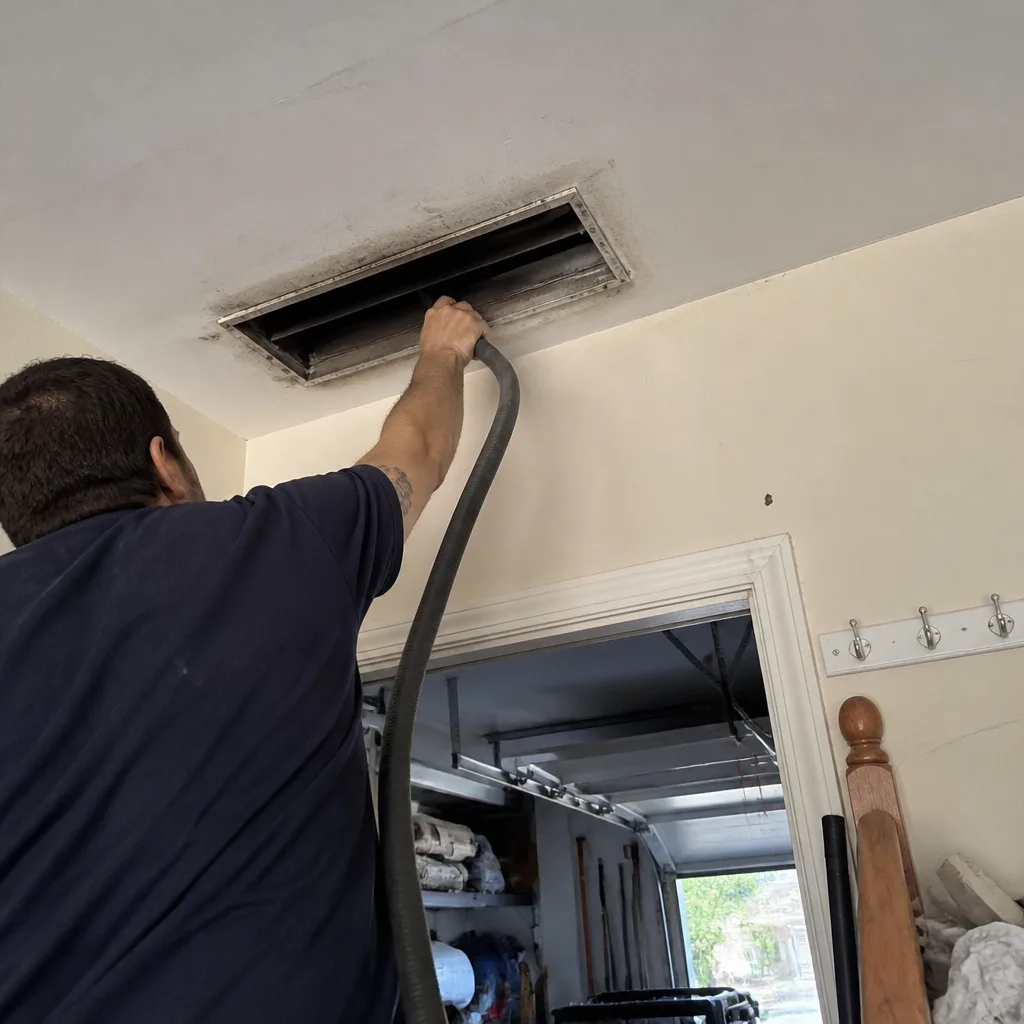 Before
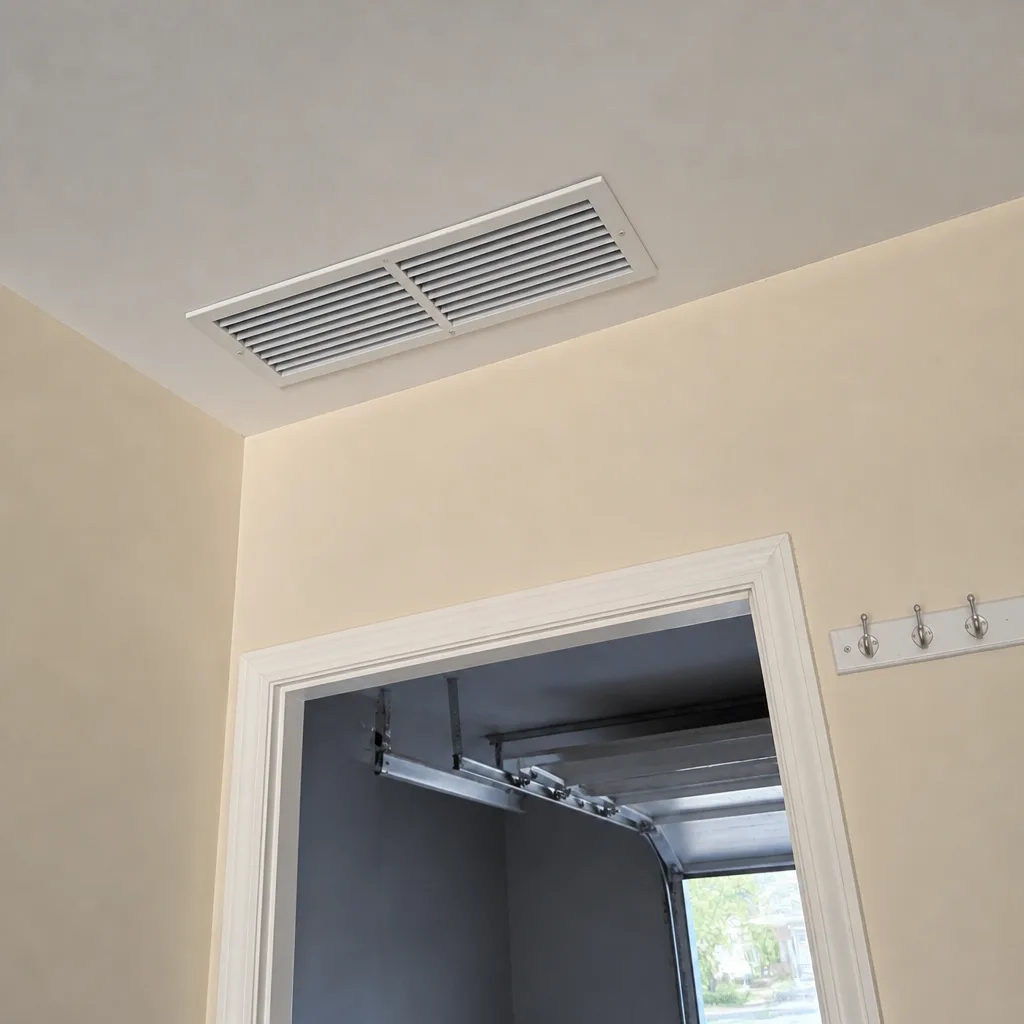 After
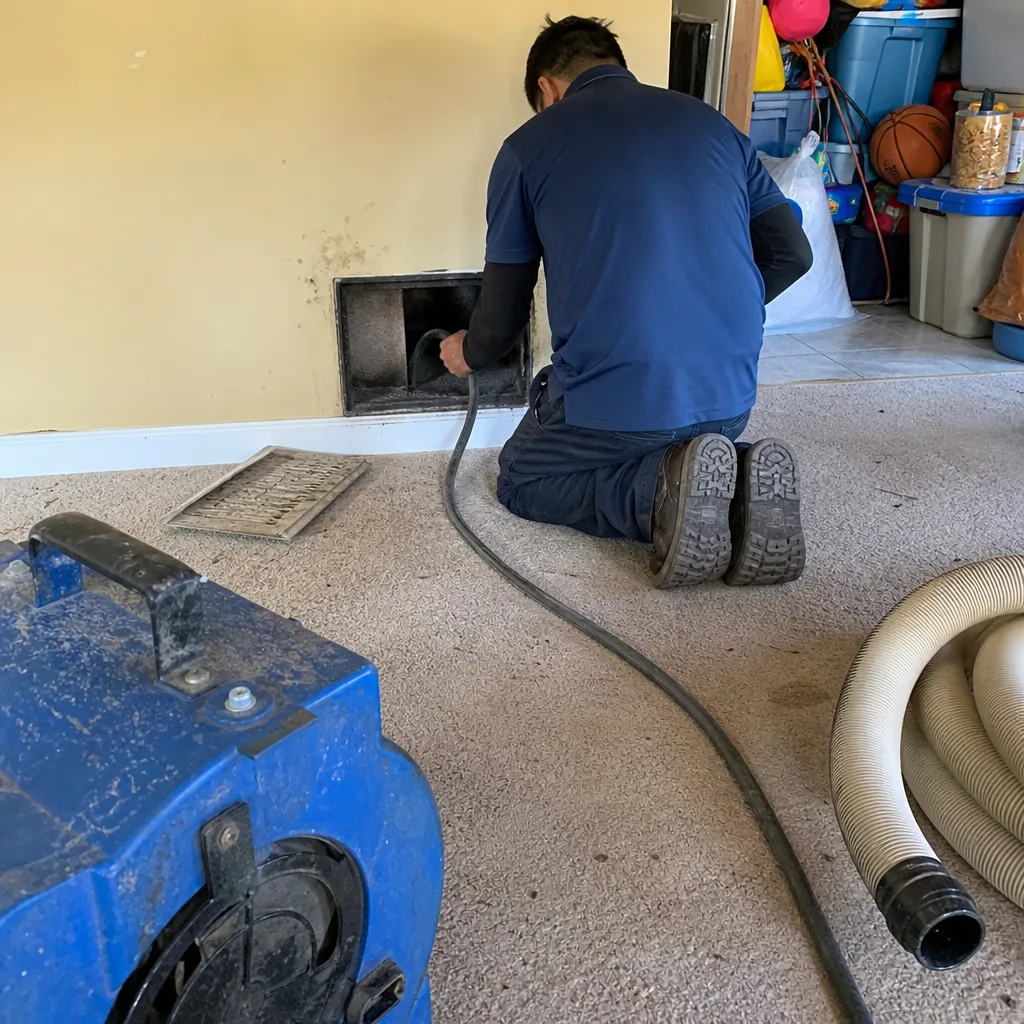 Before
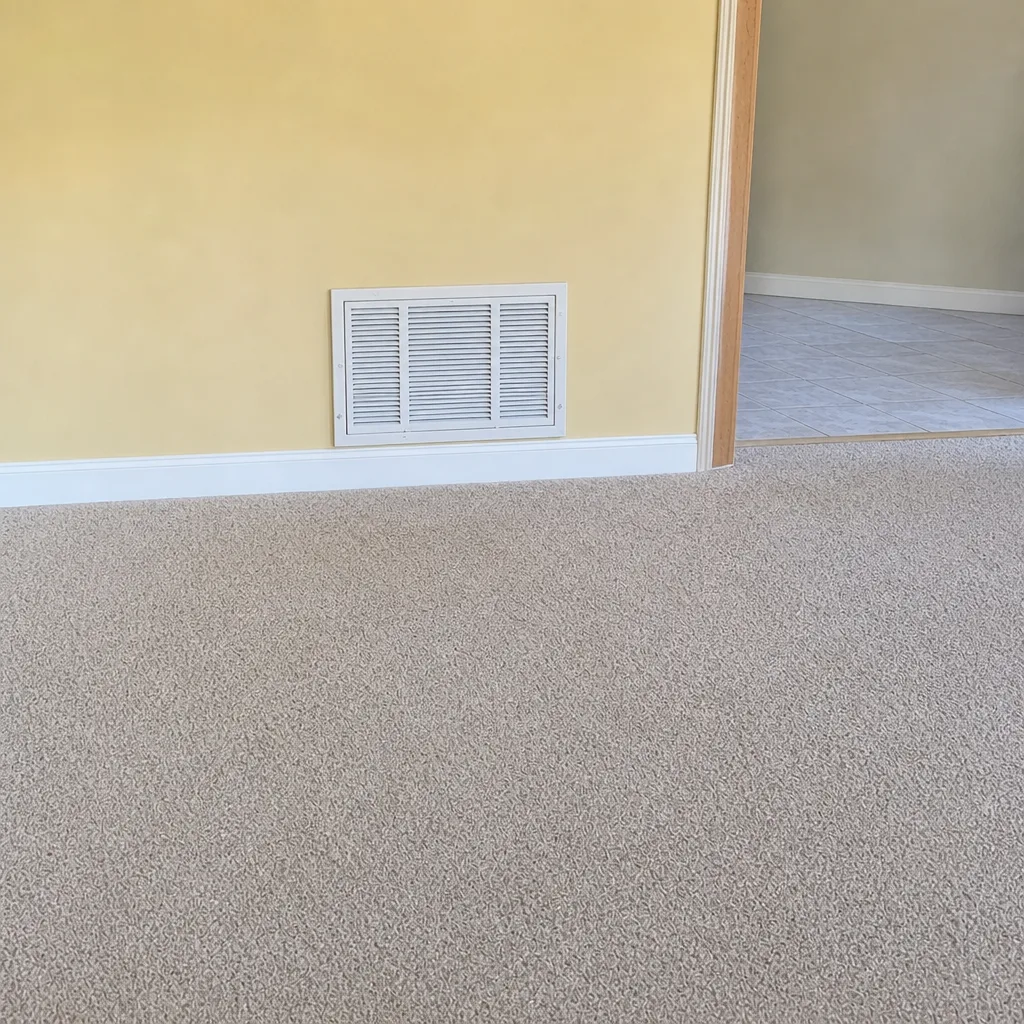 After
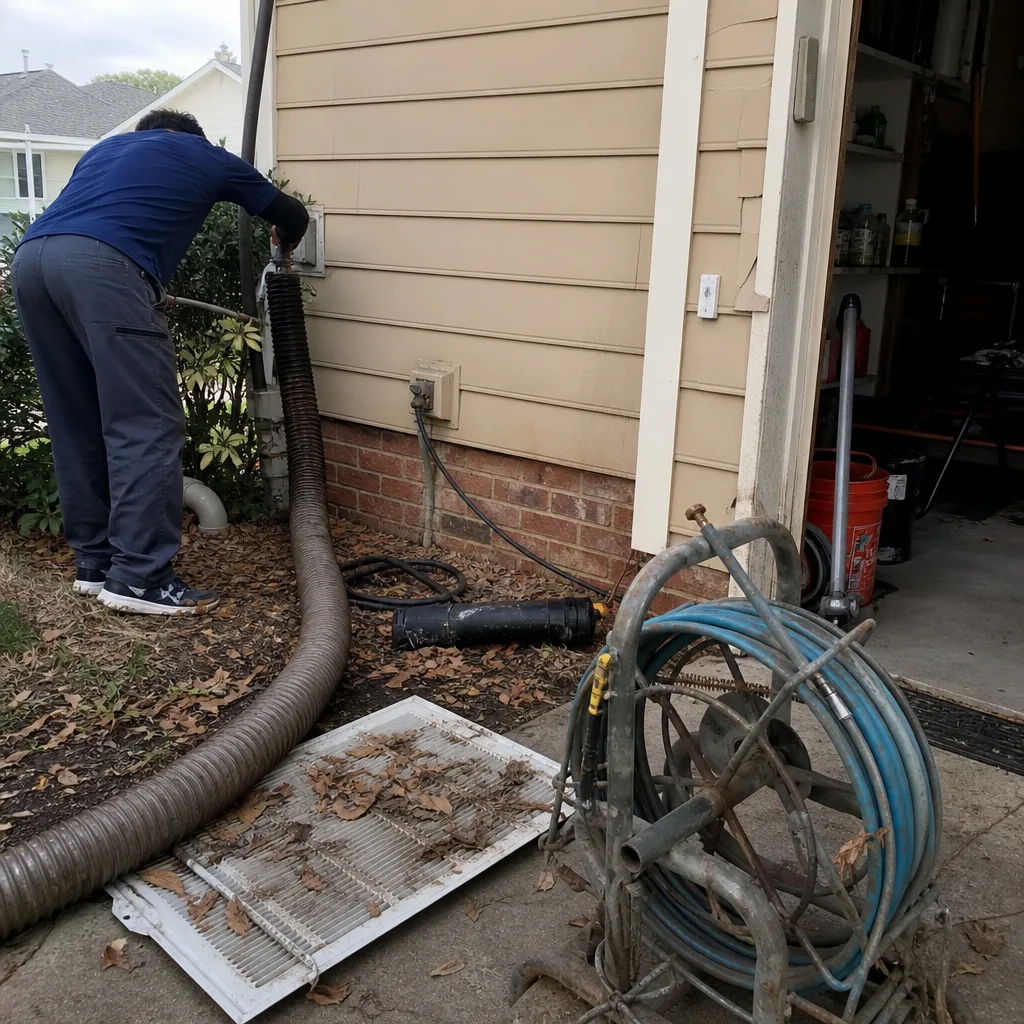 Before
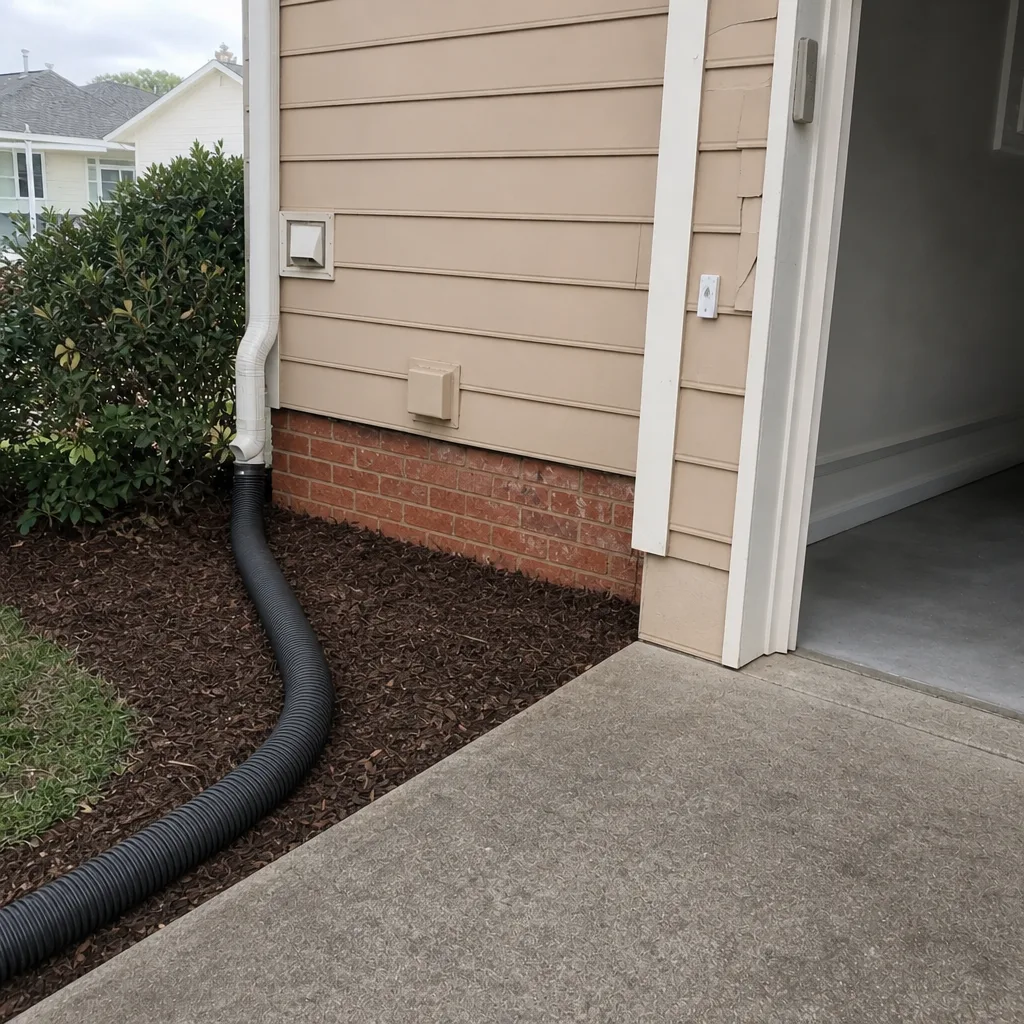 After
When to Call a Professional
Call for a duct professional if your home has experienced any fire event, even a small one, and the HVAC ran at any point before or after. Call if standing water reached the crawl space or basement and the ducts run through that space. Call after a significant storm if you see crushed duct in the attic, notice a sudden drop in airflow to one area, or smell anything musty. Call if the AC was out for more than a day in a Brier Creek summer. And call before your restoration contractor seals up walls or floors, so the duct system can be inspected while it’s still accessible. Air Duct Cleaning Brier Creek offers free estimates in Brier Creek. Call (833) 509-3460. We answer 24/7. Fast dispatch from 7am to 7pm, Sunday through Friday.
Frequently Asked Questions
Yes. Even a small fire produces smoke particulate that enters the return ductwork quickly, and if the HVAC runs afterward it spreads those particles and their odor through every room. A full-system inspection confirms whether cleaning, sanitizing, or coil cleaning is needed. Call (833) 509-3460 for an exact quote; estimates are free.
Mold can begin colonizing duct interiors within 24 to 72 hours of water intrusion, especially when the ducts run through a crawl space or basement that stayed wet. The only way to know if it’s started is a professional inspection with moisture readings. Call (833) 509-3460 to schedule one.
Coverage depends on your specific policy and cause of loss, but duct cleaning and sanitizing after a covered fire or water event often falls under the dwelling or personal property portions of a standard policy. What you need is documentation detailed enough for the adjuster to evaluate the duct portion of the claim. We can provide an inspection report with photos and a written scope of work.
Shut it off at the thermostat and at the breaker. Do not run the system until the ducts have been inspected and cleaned. Every hour of running the air handler after a fire pushes more smoke particulate deeper into the system and into the living space.
No. Opening windows helps with visible smoke in the air, but it doesn’t remove particulate that has already settled into duct walls and liner, and it doesn’t address microbial growth in flood or humidity events. Contact cleaning of the duct interior is the only method that removes adhered contamination.
Most homes benefit from cleaning every three to five years, and more often if anyone in the home has allergies or respiratory sensitivities. Keeping baseline contamination low means the system recovers faster after any emergency event. Call (833) 509-3460 to discuss your home’s specific situation.
The Bottom Line
Duct systems are the most-overlooked part of home emergency recovery. Fire, flood, storm damage, and HVAC failure all leave contamination in the air pathway, and running the system afterward spreads it through every room. Shut down the HVAC first. Get a documented inspection. Clean the ducts with professional equipment, address the coil and air handler, and repair and seal any structural damage so the system is restored, not just partially cleaned. Keep a preparedness plan in place for your Brier Creek home so recovery is faster and your insurance claim has the documentation it needs. If you’ve had an emergency event, or you want to build that plan before anything happens, call (833) 509-3460 for a free estimate. We answer 24/7. Fast dispatch from 7am to 7pm, Sunday through Friday.
For more on our full service approach to indoor air quality, visit Air Duct Cleaning Brier Creek.
Written by the team at Air Duct Cleaning Brier Creek.