
Last updated November 23, 2026
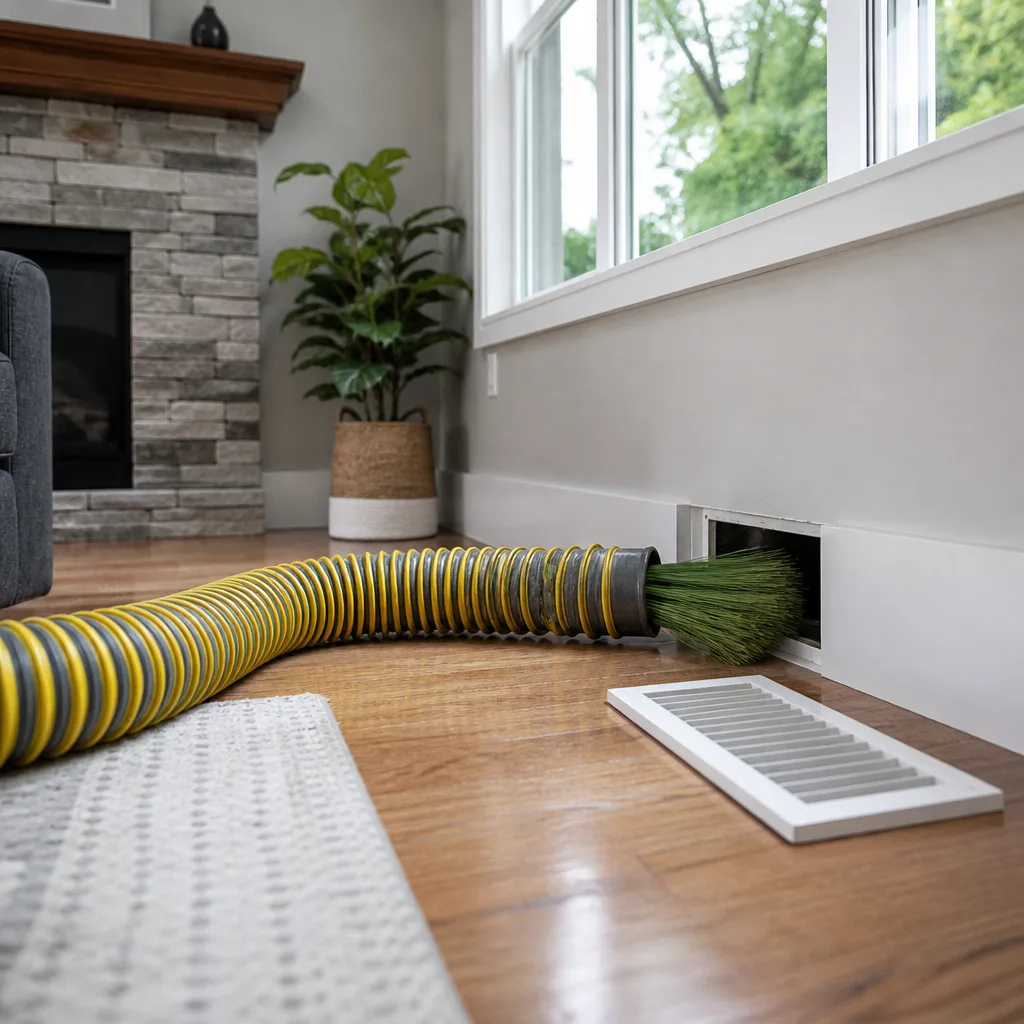 Whole-home duct cleaning
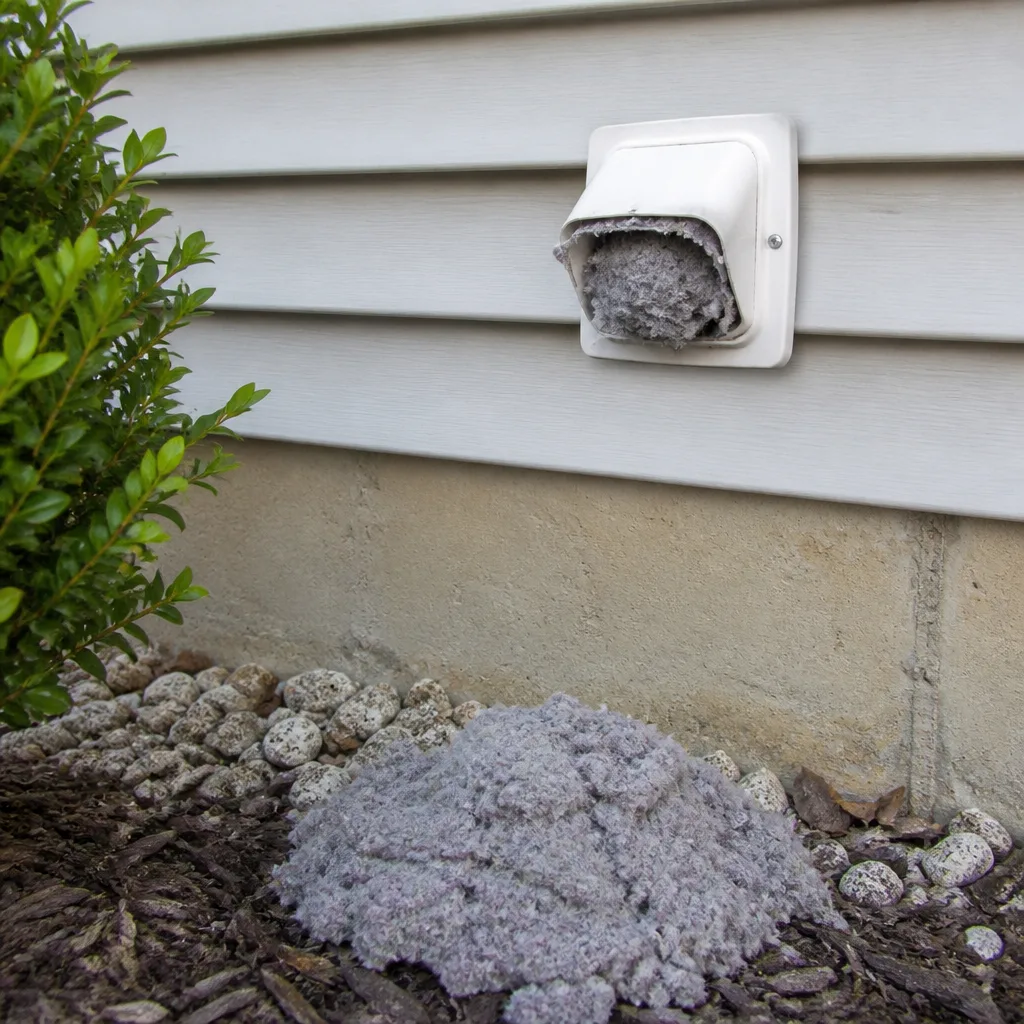 Dryer vent cleaning
 Camera inspection
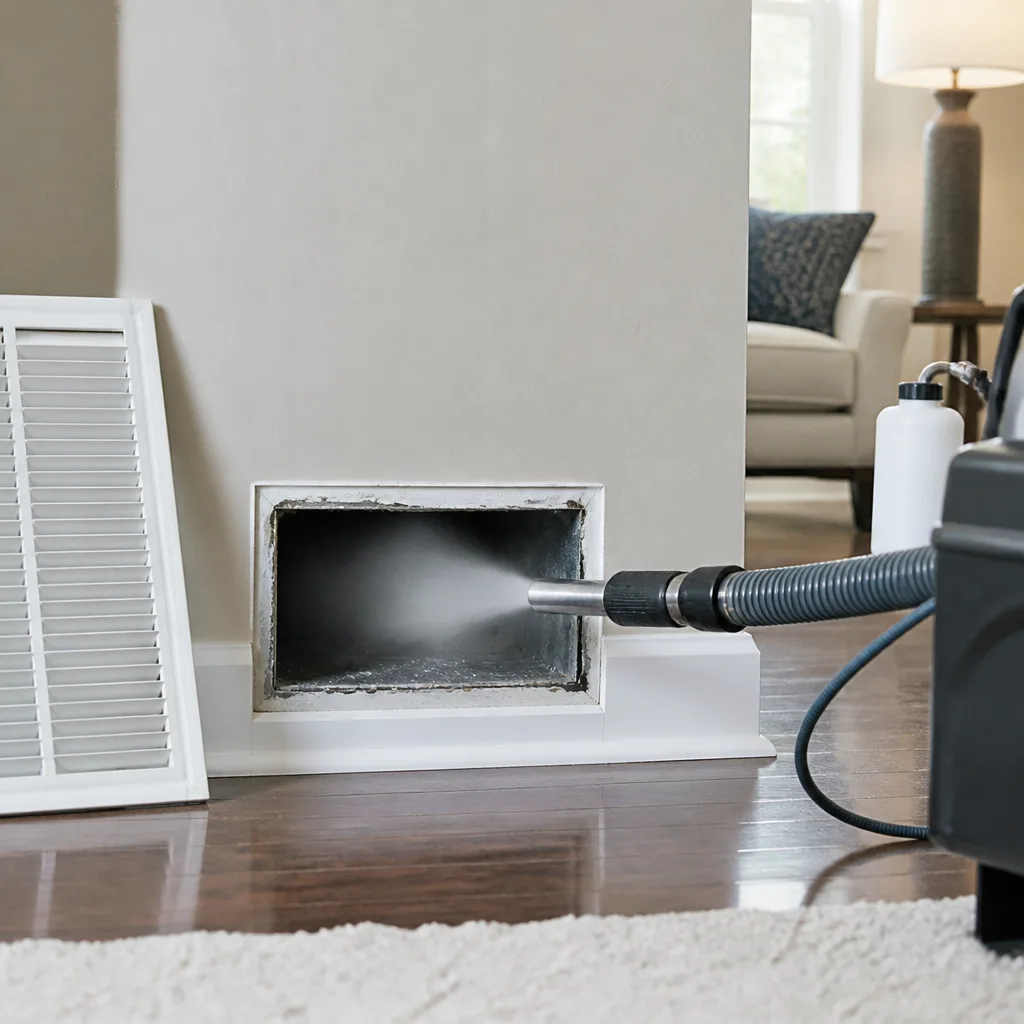 Sanitizing & deodorizing
Whole-system duct and dryer vent check with before-and-after photos - you see exactly what came out of your vents
That "$99 whole-house special" is a bait ad - the real number appears once they are in your hallway, or the "clean" is a shop-vac at the register. We photograph the inside of your ducts before and after instead.
Air Duct Cleaning Maintenance Schedule: What to Do and When
Most homeowners believe a single duct cleaning every three to five years is enough, and many companies are happy to reinforce that. The problem is the timeline ignores the variables that actually drive contamination in Brier Creek homes: long cooling seasons, heavy pet load indoors, renovation dust, and how many hours a day your system runs. Two homes on the same street can need very different intervals. This guide replaces the generic calendar with a condition-based schedule tied to real events in a home’s life, so you’ll know what to watch, when the clock resets, and which maintenance tasks belong to you between professional visits.
Quick Answer
Most Brier Creek homes need professional duct cleaning every three to five years, but that interval should reset whenever a specific event occurs: renovation, water intrusion, HVAC replacement, a new pet, or visible debris at the registers. Homes with flex duct, multiple pets, or year-round humidity exposure should sit at the shorter end of that range and use airflow performance as an early warning. There is no single correct number of years; there is a correct set of conditions to check.
Styles & brands we work with
- Whole-home duct cleaning
- Dryer vent cleaning
- Camera inspection
- Sanitizing & deodorizing
Table of Contents
- Why the Generic 3-to-5-Year Timeline Falls Short
- How Brier Creek Humidity Affects Duct Contamination
- Event-Based Triggers That Reset the Clock
- What Homeowners Should Do Between Cleanings
- Using Airflow Performance as an Early Indicator
- Flex Duct vs. Sheet Metal: Why Construction Changes the Schedule
- Your Annual Duct Maintenance Checklist
- Common Mistakes to Avoid
Why the Generic 3-to-5-Year Timeline Falls Short
The industry’s default recommendation exists for a reason. It’s a reasonable starting point for a typical home with no unusual contamination sources. But “typical” covers a wide range, and in Brier Creek that range runs from a two-person household with minmal dust to a family with two dogs, new carpet, and a system running from April through October.
What the generic timeline misses is that duct contamination is not linear. It’s driven by accumulation rate. A home that generates dust slowly might genuinely be fine at five years. A home that generates it quickly can reach problematic levels in eighteen months without anyone noticing until an allergy flare-up or a musty smell appears.
The conditions that accelerate accumulation in Brier Creek specifically:
- System runtime. Homes here run cooling longer each year than in northern markets, which means more hours of air moving through the same ductwork, carrying more particulate.
- Indoor pet load. Pet dander and hair shed continuously and collect on duct walls, especially on the return side where air is drawn in.
- Renovation activity. Drywall dust, sawdust, and insulation fibers enter the return system during construction or remodeling and settle deep inside.
- Humidity. Sustained moisture in the air handler and duct interior creates the conditions for biological growth on accumulated dust.
- Filtration grade. A cheap filter passes more particulate downstream. Better filtration slows accumulation between cleanings.
None of these variables appear in the “every 3 to 5 years” rule. A schedule that accounts for them is more useful and more honest. For readers who want to understand what professional cleaning actually involves, our guide to air duct cleaning explains the full process from intake to output.
How Brier Creek Humidity Affects Duct Contamination
Brier Creek’s climate is humid for much of the year, and that humidity has a direct effect on how quickly a duct system becomes a problem. Dust alone is an annoyance. Dust plus sustained moisture is a biological growth medium. The difference between a system that’s merely dirty and one that smells musty is often just moisture.
Two locations in the system collect moisture more than any other: the air handler cabinet and the evaporator coil drain pan. Condensation forms on the coil during cooling and drains away, but when drainage is slow or the pan holds standing water, that moisture sits in the same air stream that feeds the entire supply duct system. Combined with accumulated dust on duct walls, it creates conditions where mold and mildew can establish.
What this means for a Brier Creek maintenance schedule:
- Inspect the drain pan and condensate line at the start of cooling season. If water is standing in the pan or the line is clogged, clear it before running the system heavily.
- Address any musty odor at the source. A smell that appears when the system starts is a signal that moisture and biological growth are present somewhere in the air pathway. Cleaning alone may not fix it, which is why we treat sanitizing and air quality as part of a full-system approach.
- Keep the air handler cabinet sealed. Gaps in the cabinet door or around the filter slot let humid attic air into the system.
- Consider filtration upgrades. A properly sized filter with a higher MERV rating captures more particulate before it reaches the coil, and capturing particulate early is what limits both dust accumulation and the biological growth that follows it.
Homes with flex duct in unconditioned attic space are especially vulnerable here. The duct exterior is exposed to attic heat and humidity swings, and any small tear or poorly sealed connection allows both air loss and moisture entry. We work with Honeywell and Aprilaire air quality components where a homeowner wants filtration integrated with cleaning in a single visit.
Event-Based Triggers That Reset the Clock
A calendar date is the least reliable way to decide when cleaning is due. Events are better. When one of the following happens in a Brier Creek home, that home’s schedule resets regardless of how long it’s been since the last cleaning.
- Major renovation or drywall work. Construction dust and debris enter the return system quickly and settle deep in the ductwork. If the system ran at all during the work, or was left open without protection, treat that as a reset event.
- Water intrusion or flooding. Any event that wets attic insulation, the air handler, or ductwork introduces moisture into the system and requires inspection for both contamination and duct condition.
- HVAC replacement. A new air handler or condenser installed onto existing ductwork should be preceded or followed by a duct cleaning, because the old system’s debris doesn’t disappear when the equipment changes.
- New pets. A pet added to the household increases dander and hair load immediately. Homes that sat comfortably at the long end of the interval often need to move to the short end.
- Purchase of a previously occupied home. You have no knowledge of the prior owner’s maintenance. Treat a home purchase as an unknown and start the interval fresh.
- First signs of pest activity or rodent droppings. This is a contamination event, not a routine cleaning. It requires a full-system approach including sanitizing.
- Persistent allergy symptoms that improve away from home. That pattern points to the home’s air as a contributing factor and warrants inspection regardless of the calendar.
A single event can move a home from the long end of the interval to the short end overnight. That’s why a condition-based schedule is genuinely more useful than a fixed timeline, and it’s the reason we build an estimate around the specific home rather than around a package.
What Homeowners Should Do Between Cleanings
Professional cleaning is one item on a list, not the whole list. The tasks below are the homeowner’s responsibility, and doing them well extends the interval between professional visits and keeps the system’s performance from quietly degrading.
Filter grade and replacement rhythm
Replace the filter on the frequency the manufacturer specifies for the grade you use, not the generic “every three months” line. A thicker, higher-MERV filter captures more particulate but loads faster, and a loaded filter reduces airflow and forces the blower to work harder. Check the filter monthly and replace it when it’s visibly gray. Do not run the system with the filter slot empty or with a filter held in place by tape.
Register inspection
Remove a supply and a return register a few times a year and look at the duct interior where visible. Discoloration, visible dust buildup on the walls, or a musty smell are all signals that the interval is coming to an end. Wet or damp duct surfaces are a stop-and-call situation.
Drain pan and condensate line
At the start of each cooling season, confirm the pan is empty and the condensate line is flowing. A clogged line causes an overflow that can wet the air handler and the immediate ductwork. This is a five-minute check that prevents a much larger problem.
Return grille cleaning
Vacuum the face of return grilles and remove the dust that collects on the filter side. This is cosmetic for the grille and functional for the system, since a caked grille reduces the return’s effective size.
Vent airflow check
Hold a tissue or your hand to each supply register and compare. A register that was strong last year and is weak now is a leading indicator that something has changed in the system, and it’s worth investigating before it shows up as a comfort or cost problem.
Using Airflow Performance as an Early Indicator
You don’t have to wait for visible contamination to know a cleaning is approaching. The system tells you earlier than that, through airflow. Airflow performance degrades before dust becomes visible at the registers, which makes it a useful and underused signal.
What to check, once a season:
- Compare registers against each other. Weak supply registers in specific rooms, while others remain strong, point to a partial obstruction or a disconnected or crushed duct. System-wide weakness points to a loaded filter, a blower issue, or a return-side restriction.
- Listen for changes. Increased blower noise, whistling at registers, or a whooshing sound at the filter slot suggest the system is pulling against a restriction.
- Track your energy use against the season. A system running longer than last summer for the same comfort level is working harder than it used to. That change often means reduced airflow rather than reduced cooling capacity.
- Notice uneven temperatures between rooms. Rooms that stayed comfortable last year and don’t this year can indicate airflow loss in the branch duct feeding them.
Our technicians have up to 12 years of experience reading these signals, and the ones that most often precede a needed cleaning are the ones that look like “the system feels weaker” rather than the ones that look like “the vents are dirty.” If your airflow check turns up something, a free estimate is the cheapest way to find out whether cleaning, sealing, or a simple filter change is the answer. The route to deeper assessment starts with a call to our Air Duct Cleaning Brier Creek team.
Flex Duct vs. Sheet Metal: Why Construction Changes the Schedule
Duct construction type matters to the maintenance schedule more than most homeowners realize, and it’s one of the reasons two similar homes can need different intervals.
Sheet metal ductwork
Rigid sheet metal has smooth interior walls and holds up well to agitation and contact cleaning. Debris stays on the surface and is easier to remove thoroughly. Sheet metal systems are generally the more forgiving of the two and can often sit at the longer end of the interval, provided the seams remain sealed and the system isn’t in a humid, unconditioned space.
Flex duct
Flex duct has a corrugated interior and a thin liner, and that liner is vulnerable. A liner that tears or separates becomes a contamination source and an air-loss point, and once damaged, the standard fix is replacement of that run. Flex duct also has more surface area per foot than smooth duct, so it collects more dust per linear foot. The practical implications:
- Flex systems need closer inspection and typically sit at the shorter end of the interval.
- Sagging or pinched flex runs reduce airflow and create dead zones where dust settles rather than moving.
- Contact cleaning with the right equipment matters more on flex, because the wrong method can damage the liner. Rotobrush contact-cleaning systems are the industry standard for this and can be adjusted for flex duct without abrading the liner.
- Any flex run that has a visible tear, disconnect, or crush should be repaired or replaced, not cleaned. Structurally failed ductwork can’t be cleaned effectively, and cleaning without sealing the leak leaves the problem in place.
This is the core of our approach: seal the leaks, not just clean the ducts. Cleaning addresses what’s inside. Repair and sealing address why it got there.
Your Annual Duct Maintenance Checklist
Here’s what a condition-based annual routine looks like. The professional items don’t happen every year, but the homeowner checks do.
- Monthly: Inspect the filter. Replace when visibly loaded or per the manufacturer’s specified frequency for the grade in use.
- Seasonally: Compare airflow at supply registers and note any room-by-room changes from the previous season.
- Start of cooling season: Confirm the condensate line is flowing and the drain pan is dry. Clear any clogs before running the system heavily.
- Seasonally: Remove a supply and return register and look at the duct interior. Note any discoloration, visible buildup, or odor.
- After any event trigger: Schedule a professional inspection. Don’t wait for the calendar.
- Every 3 to 5 years (longer for sheet metal in a well-maintained home, shorter for flex or multi-pet homes): Schedule a full-system professional cleaning. Ask about full-scope service, including HVAC cleaning, at the same appointment.
- Annually: Check the dryer vent. This is separate from the duct system but part of the same airflow maintenance discipline. Our dryer vent cleaning service covers the exhaust path that household lint accumulates in.
Common Mistakes to Avoid
- Waiting for visible vent dust before scheduling. By the time contamination is visible at a register, the system has been circulating it for a while. Airflow and odor signals arrive earlier and are more useful.
- Resetting the clock after a cheap cleaning that wasn’t contact cleaning. A service that only blows air through the system moves debris but doesn’t extract it from the duct walls. It doesn’t earn you a new three-year interval.
- Ignoring a musty smell after a cleaning. Cleaning removes debris. It doesn’t necessarily remove established biological growth. If odor persists, the sanitizing and air quality side of the service is the missing step.
- Replacing the HVAC equipment without cleaning and inspecting the ductwork. New equipment connecting to dirty ducts will just distribute what’s already in them, and any unsealed leak will still lose conditioned air.
- Running a renovation with the system live and the returns uncovered. Drywall dust in the return is one of the most common contamination events in Brier Creek homes, and it costs far more to clean out than to keep out.
- Treating flex duct like sheet metal. Aggressive cleaning on flex with the wrong equipment can tear the liner. Ask what equipment the company uses and whether it’s suited to your duct type.
- Ignoring a wet air handler. Moisture inside the cabinet is a biological growth problem waiting to spread through the system. It’s an inspection case, not a wait-and-see case.
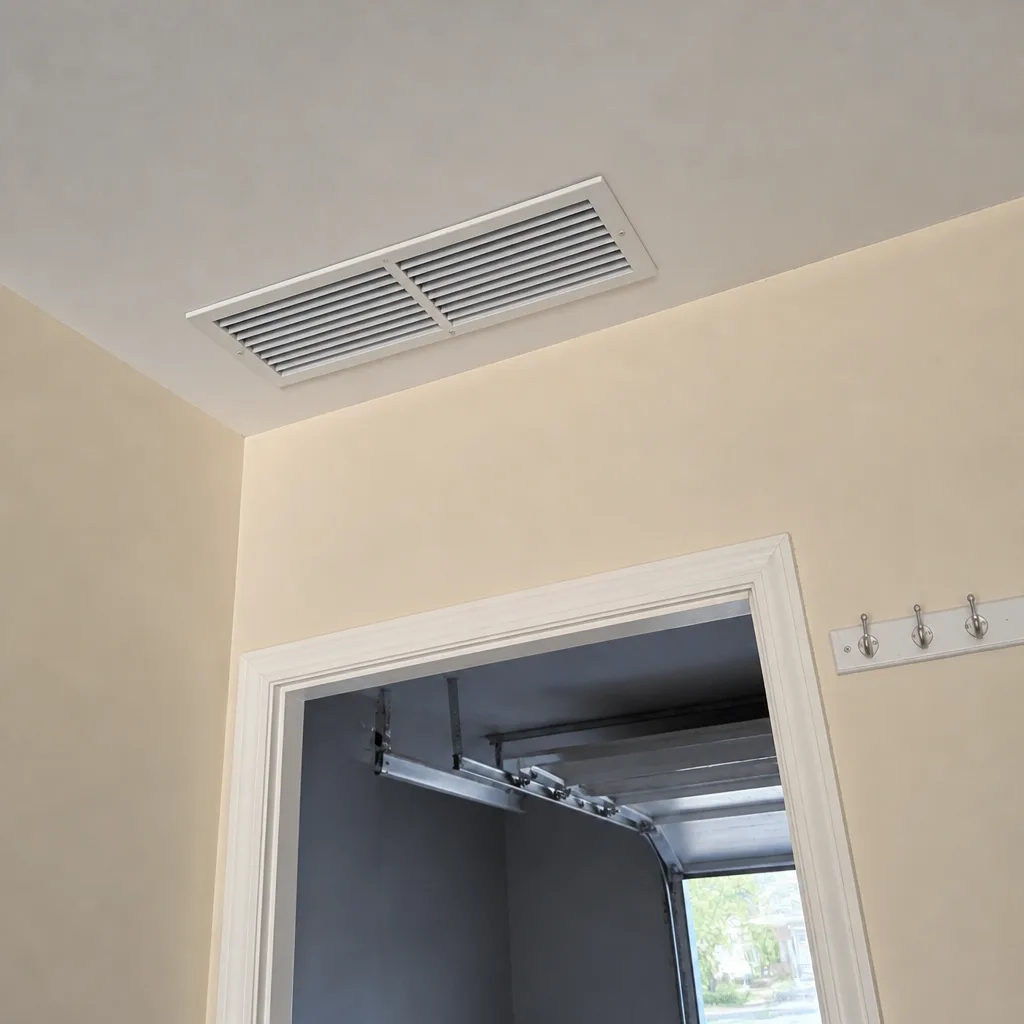
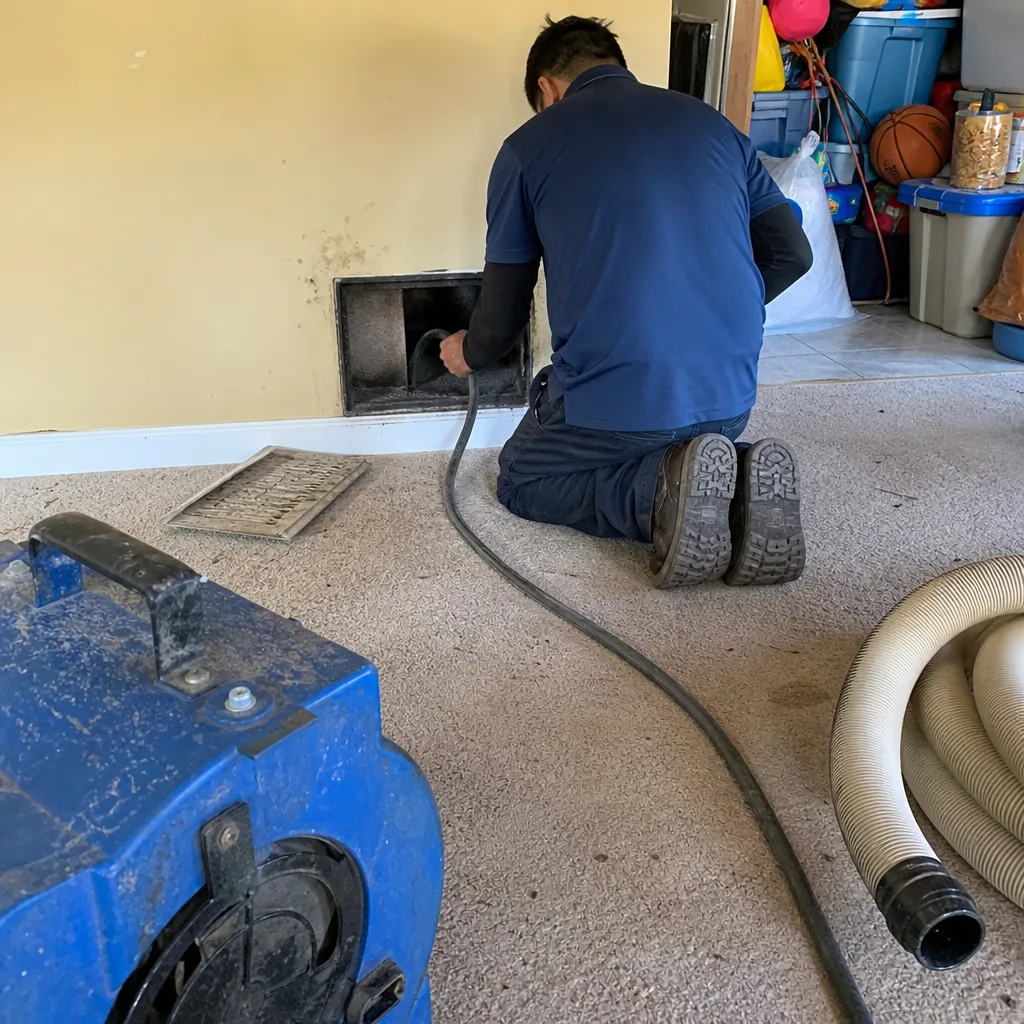
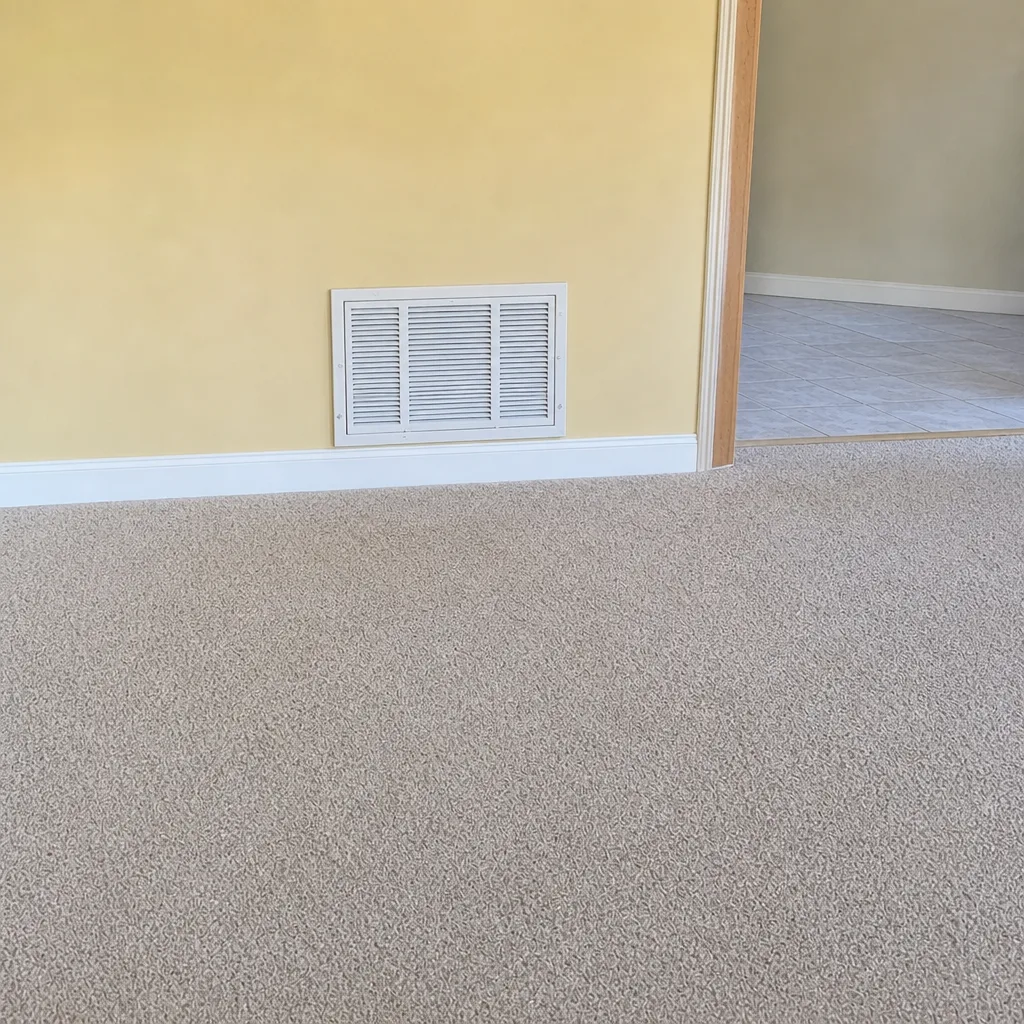
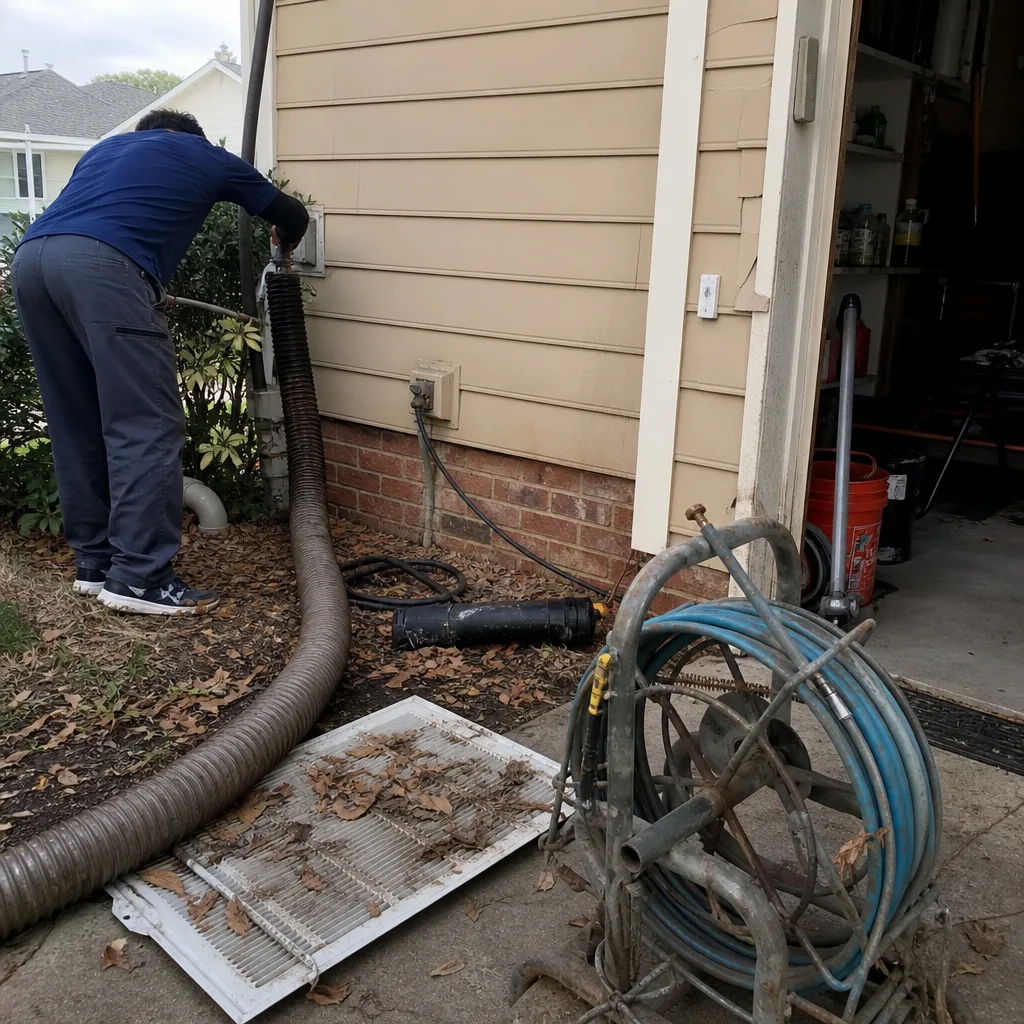
See the difference
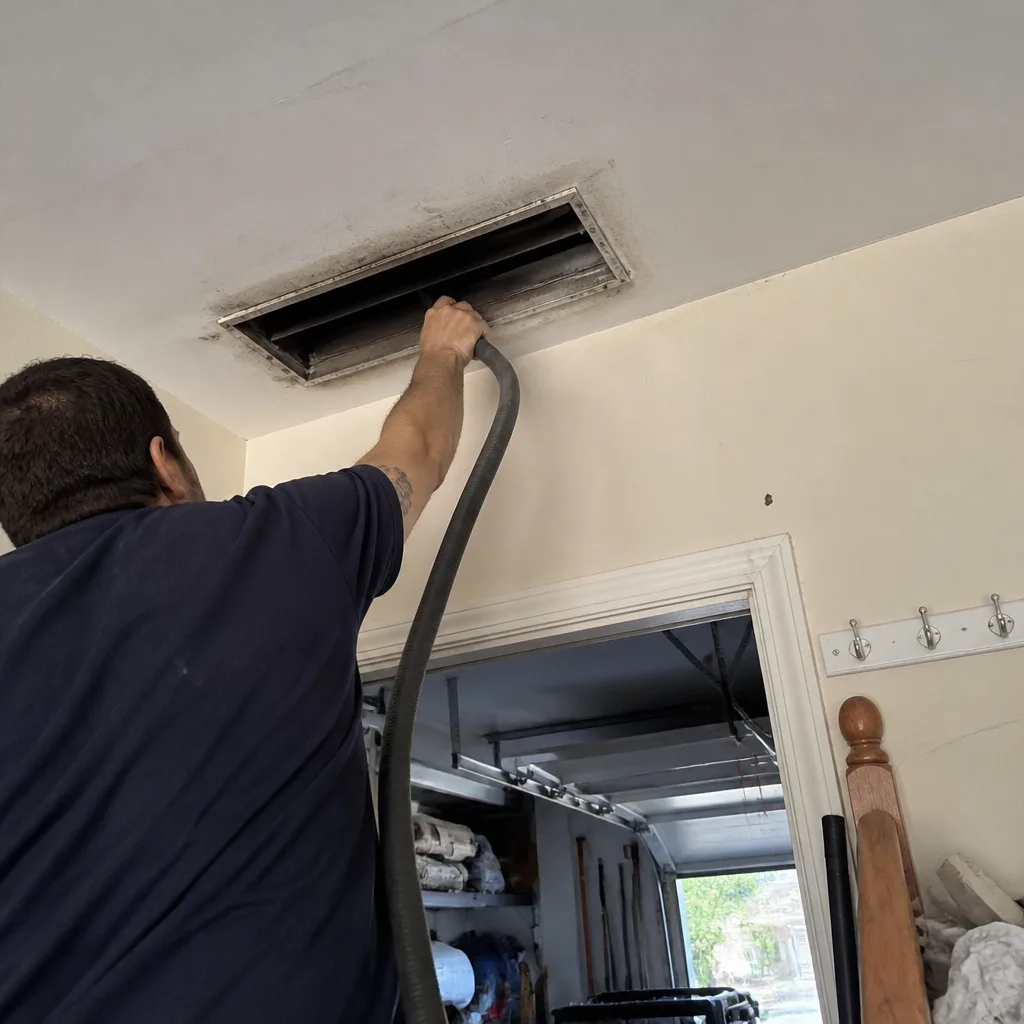 Before
 After
 Before
 After
 Before
 After
When to Call a Professional
Some situations are clearly professional calls. If your system has visible contamination at the registers, musty odor when the fan runs, or persistent allergy symptoms at home, schedule an inspection. If a renovation, water intrusion, HVAC replacement, or pest activity has occurred, the clock resets and professional cleaning is warranted. If your airflow check shows weak registers or uneven room temperatures, an inspection will tell you whether cleaning, sealing, or a system adjustment is the right fix. Structural issues like torn flex duct, disconnected runs, or leaking seams are repair-and-sealing jobs, not cleaning jobs. Air Duct Cleaning Brier Creek offers free estimates in Brier Creek. Call (833) 509-3460 to schedule an inspection. We answer 24/7. Fast dispatch from 7am to 7pm, Sunday through Friday.
Frequently Asked Questions
Most homes need professional cleaning every three to five years, but that interval should reset after any event that introduces new contamination: renovation, water intrusion, HVAC replacement, new pets, or purchase of a previously occupied home. Homes with flex duct or multiple pets belong at the shorter end. Call (833) 509-3460 for an exact quote; estimates are free.
No. Annual cleaning is rarely necessary in a typical Brier Creek home and is often sold based on fear rather than need. The correct schedule is condition-based. If a technician recommends cleaning every year without identifying a specific contamination source, ask what that source is.
Humidity accelerates the biological growth that follows dust accumulation, especially in the air handler, drain pan, and flex duct runs in unconditioned attic space. Homes with any moisture history in the system should sit at the shorter end of the interval and should inspect the drain pan at the start of each cooling season.
Ask for before-and-after photos of your duplex interior, and ask what equipment will be used on your specific duct type. Contact cleaning with equipment like Rotobrush physically agitates and extracts debris from the duct walls, which is a different result from a system that only blows air through. A cleaning you can verify is worth more than one you can’t.
Cheap quotes usually skip extraction, skip the return-side and air handler work, or use consumer-grade vacuums that can’t pull material off the duct walls. A one-price-per-system quote that covers the full air pathway is the honest comparison. Call (833) 509-3460 to get an exact quote for your system.
Yes. Flex duct has more surface area per foot, collects dust faster, and has a liner that can be damaged by the wrong cleaning method. Flex systems should be inspected more often and cleaned at the shorter end of the interval. Sheet metal is more forgiving and can often sit longer, assuming seams stay sealed.
The Bottom Line
The three-to-five-year rule is a starting point, not a schedule. What actually determines when your Brier Creek home needs professional cleaning is the accumulation rate, which is driven by humidity exposure, pet load, filter grade, system runtime, and duct construction type. Events reset the clock: renovation, water intrusion, HVAC replacement, and new pets all do. Between cleanings, the homeowner’s job is filters, drains, and airflow checks. When the signals show up, a full-system approach that cleans, sanitizes, and seals is what actually protects the system. We answer 24/7 with fast dispatch from 7am to 7pm, Sunday through Friday.
Written by the team at Air Duct Cleaning Brier Creek.