
Last updated November 23, 2026
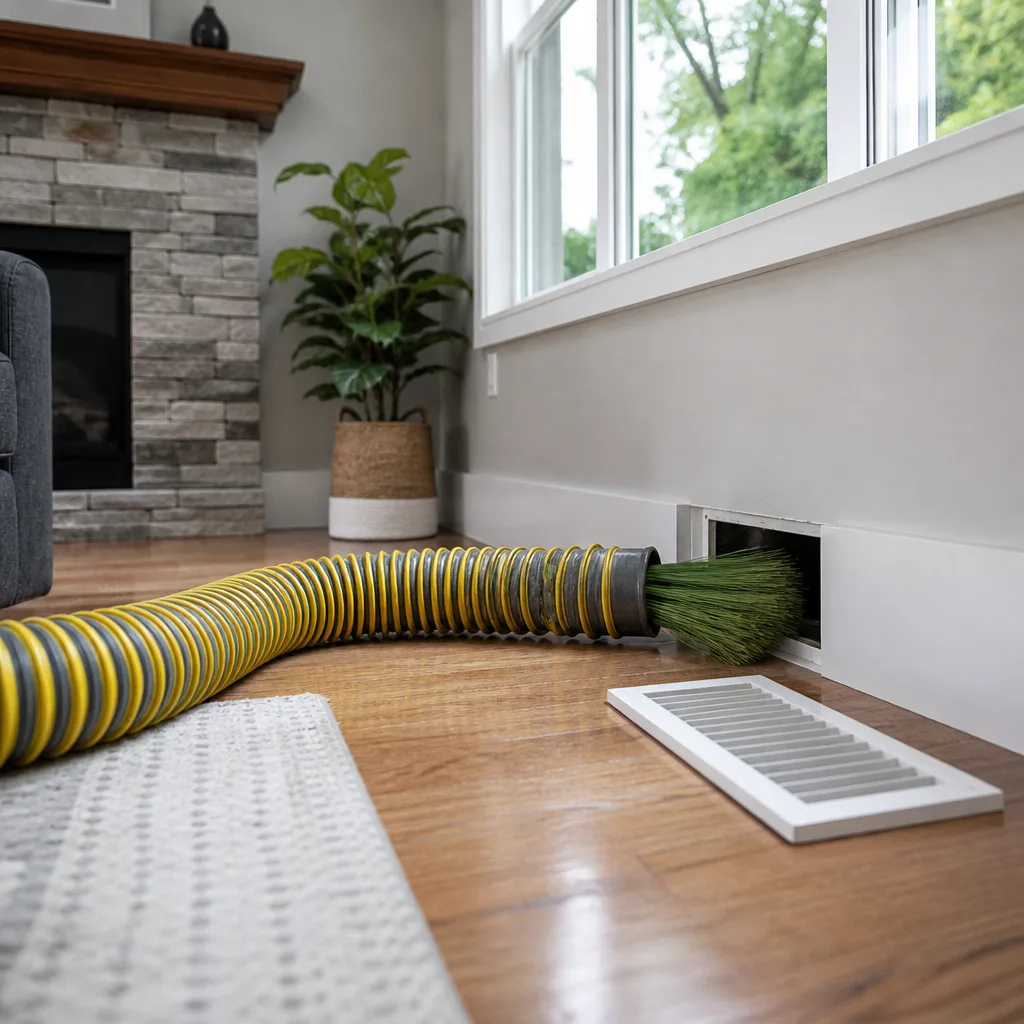 Whole-home duct cleaning
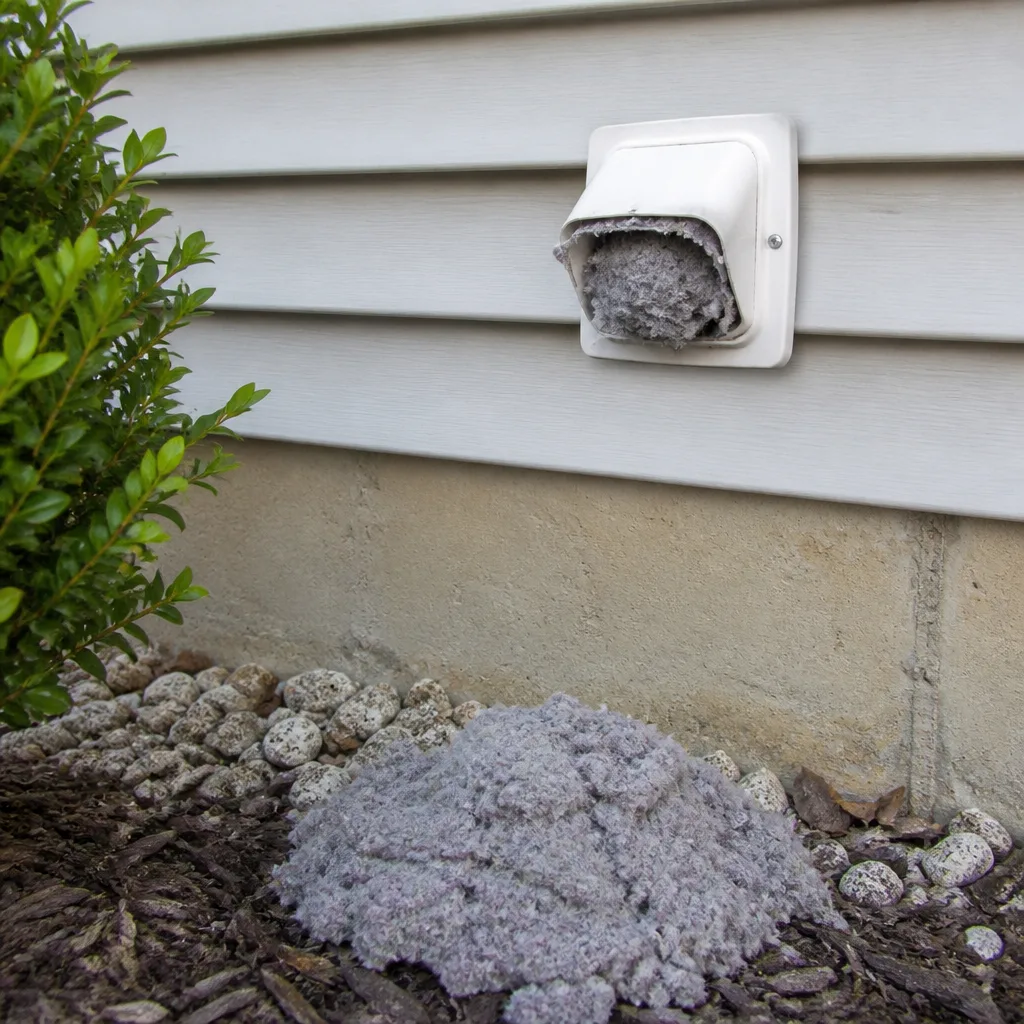 Dryer vent cleaning
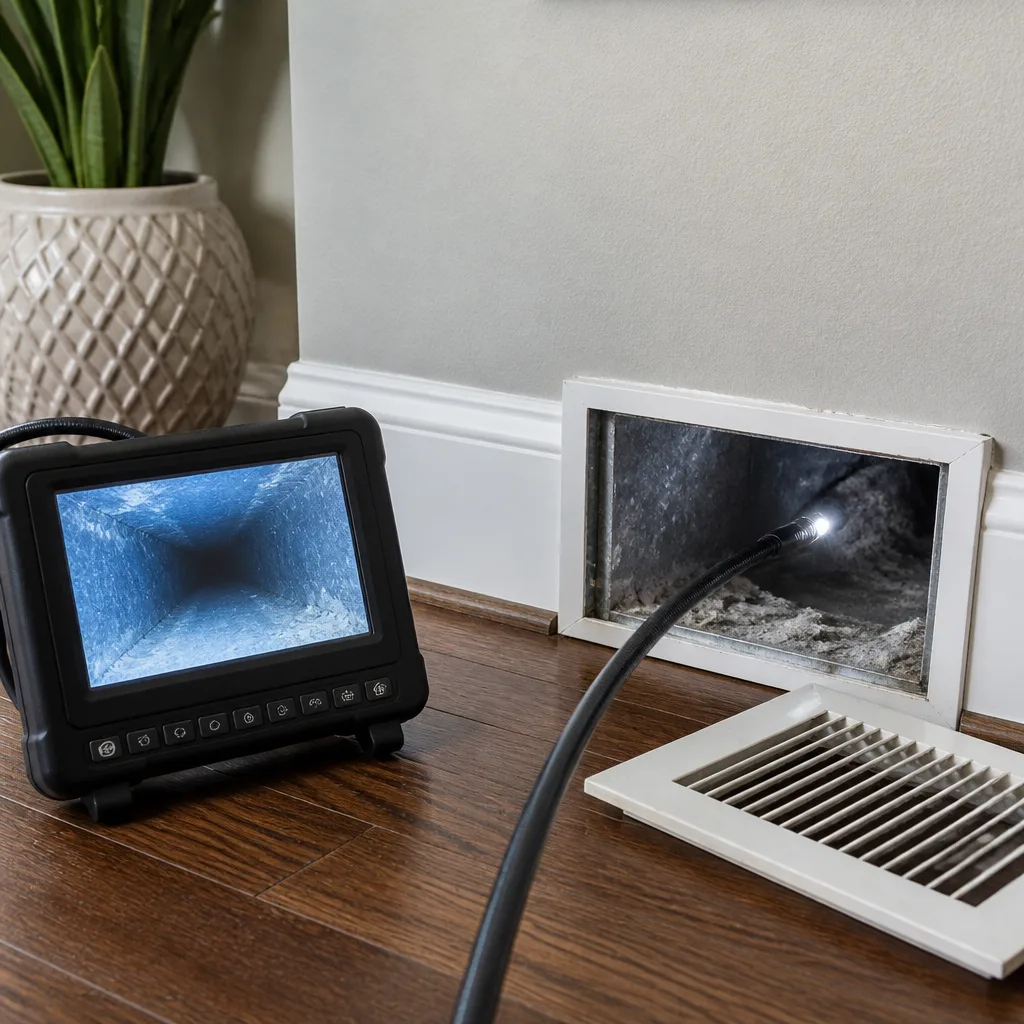 Camera inspection
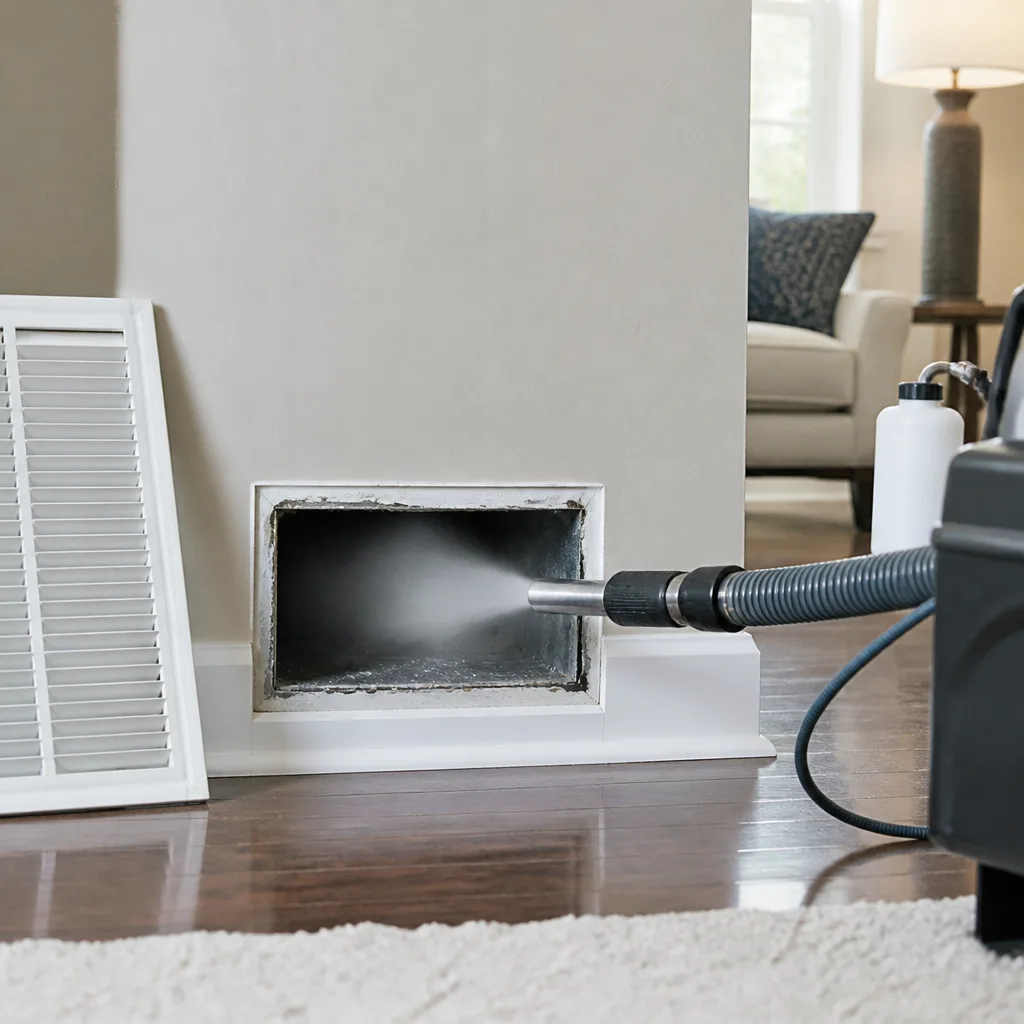 Sanitizing & deodorizing
Whole-system duct and dryer vent check with before-and-after photos - you see exactly what came out of your vents
That "$99 whole-house special" is a bait ad - the real number appears once they are in your hallway, or the "clean" is a shop-vac at the register. We photograph the inside of your ducts before and after instead.
Air Duct Cleaning Troubleshooting in Brier Creek: Common Problems and How to Fix Them
If one room in your house stays 8-10°F warmer than the rest even after a cleaning, the ducts weren’t the problem. The pressure balance was. That distinction alone could save you from paying for a service that won’t fix anything. Most homeowners in Brier Creek assume every airflow complaint points to dirty ducts, and most of the time it doesn’t. Dust, musty smells, warm rooms, and high bills each trace back to different failure points in the same system. This guide walks through the diagnostic logic a technician actually uses, so you can figure out whether you’re dealing with a cleaning issue, a sealing issue, or a mechanical issue before anyone shows up with a truck.
Quick Answer
Air duct troubleshooting in Brier Creek starts with matching the symptom to the right failure point: debris odors usually mean contamination, musty smells often point to moisture or biological growth, and uneven room temperatures after a cleaning usually indicate disconnected or crushed flex duct rather than dirt. A professional diagnostic with contact cleaning equipment, a pressure check, and a visual inspection tells you whether you need cleaning, duct sealing, or a mechanical repair. Guessing at the cause is what leads to paying twice for the same complaint.
Styles & brands we work with
- Whole-home duct cleaning
- Dryer vent cleaning
- Camera inspection
- Sanitizing & deodorizing
Table of Contents
- Symptom-to-Cause Mapping: What Each Smell and Draft Actually Means
- How to Tell a Cleaning Problem From a Leakage Problem
- Why Rooms Stay Uneven After Cleaning
- What Visible Mold at a Register Actually Tells You
- When Troubleshooting Should Escalate to Inspection, Sealing, or Repair
- The Equipment That Matches Each Stage of the Job
- Self-Checks a Homeowner Can Do Before Calling
Symptom-to-Cause Mapping: What Each Smell and Draft Actually Means
The smell in your house is a diagnostic signal. Learning to read it narrows the problem faster than any checklist. Here’s how we map the three most common odor categories to the duct condition behind them.
- Dusty or debris odor (dry, earthy, worse when the system kicks on): This is accumulated particulate sitting on duct walls and being pushed into the airstream at startup. It’s a cleaning problem. No amount of filter changing resolves it because the source is inside the ductwork, not at the return grille.
- Musty or damp odor (persistent, worse in humid weather): Moisture is present somewhere in the pathway. That could be condensation on cold duct surfaces, a poorly sealed run pulling humid air from an unconditioned space, or biological growth on the coil or duct liner. This is a moisture and sanitation problem, and it often needs both cleaning and a look at why the moisture is there in the first place.
- Chemical or sharp odor (unusual, distinct, not typical dust): A chemical smell is not a cleaning signal. It usually points to a source outside the duct system entirely, or to an off-gassing material near an intake. This is a stop-and-investigate situation, not a “schedule a cleaning” situation.
In Brier Creek’s humid summers, the musty category is the one we see most. Warm, moist air meeting cooler duct surfaces in a conditioned space creates the exact conditions for condensation, and that condensation feeds the biological growth that produces the smell. Cleaning removes the growth; sealing and correcting the moisture source prevent it from returning.
How to Tell a Cleaning Problem From a Leakage Problem
This is the single most useful distinction in duct troubleshooting. Cleaning problems and leakage problems produce overlapping symptoms, but they require completely different services.
A cleaning problem means contamination is inside the duct and being distributed. A leakage problem means air is escaping or entering through gaps, joints, or disconnected sections before it ever reaches the room. A dirty system and a leaky system both rob you of comfort and efficiency, but only one gets fixed by a vacuum.
Here’s a basic pressure test homeowners can observe themselves, using nothing but the system and their hands:
- Turn the system fan to “on” so air moves continuously without the heat or cooling cycling.
- Hold a tissue or a thin strip of paper near each supply register. Air should move steadily and consistently.
- Hold the same strip near the return grille. You’re looking for a firm, even pull.
- Walk the accessible duct runs in the basement, attic, or crawlspace. With the fan running, you can often feel escaping air at joints, seams, and connection points.
- Note any register with weak or absent flow while other registers in the same zone are strong. That pattern suggests a break or disconnect upstream, not a dirt problem.
If air is clearly escaping into an attic or crawlspace, you have a leakage problem. Cleaning won’t recover that air. Duct repair and sealing will. In our experience across Brier Creek homes, a significant share of “my ducts need cleaning” calls are really “my ducts need sealing” calls, and that’s why we diagnose before we quote.
Why Rooms Stay Uneven After Cleaning
You had the ducts cleaned. One upstairs bedroom still runs hot. This is the complaint that sends people back to Google looking for a different company, and it’s almost never a sign the cleaning was done wrong.
Uneven temperature after cleaning usually points to one of three mechanical causes:
- Disconnected flex duct: A run that has separated at a boot or a takeoff is dumping conditioned air into the attic or crawlspace instead of the room. The cleaned duct behind the disconnect is clean and useless.
- Crushed or kinked flex duct: Flex runs that were installed too tight, stepped on, or compressed behind a wall restriction choke off airflow. A crushed run downstream of a clean duct still delivers a fraction of what it should.
- Damper and balance issues: Sometimes every duct is intact and clean and the system was simply never balanced. The room that runs hot is getting less air by design, not by dirt.
The diagnostic move is a visual inspection of the accessible runs serving the problem room, followed by an airflow reading at the register. If the register is weak but the duct feeding it feels pressurized, the issue is downstream. If the duct itself is flaccid or you can feel escaping air along the run, you have a break. Both are repair-and-seal jobs, and Brier Creek’s mix of newer construction with long flex runs and older homes with rigid metal trunk lines means we see both patterns regularly.
What Visible Mold at a Register Actually Tells You
Finding dark spotting on a register face is alarming, and the first instinct is to assume the whole duct system is contaminated. That conclusion is often wrong.
Visible growth at a register can originate in one of three distinct places, and they’re not equivalent:
- The register face or grille itself: Condensation on a cold metal grille during a humid Brier Creek summer can support surface growth without any growth inside the duct. Cleaning the grille and correcting the condensation source resolves it.
- The register boot: The metal transition between the duct and the room is a common condensation point. Growth here is localized and does not automatically mean the duct interior is affected.
- The air handler or the interior duct surfaces: If growth extends into the duct liner or is present at the coil and air handler, that’s a system-level moisture problem. It needs professional cleaning and sanitizing, plus a fix for whatever is producing the moisture.
The only way to know which you have is inspection of the interior surfaces with a camera or direct visual access, not a judgment call from the grille. This is exactly where professional-grade equipment matters. Contact cleaning with a Rotobrush system physically agitates and extracts growth and debris from duct walls rather than blowing air past it, and our sanitizing work uses Abatement Technologies air-purification equipment to treat the system after the physical cleaning is complete. Cleaning a grille while leaving a contaminated air handler untouched fixes the appearance and not the air.
When Troubleshooting Should Escalate to Inspection, Sealing, or Repair
Knowing when to stop cleaning and start inspecting is what separates a real diagnosis from a sales pitch. Here’s the escalation logic we use, and it’s the same logic you can apply yourself.
- Escalate to full inspection when: symptoms persist after a cleaning, a musty or chemical odor is involved, airflow is weak at specific registers but strong elsewhere, or there’s visible moisture anywhere in the pathway. Cleaning a system you haven’t diagnosed is guessing.
- Escalate to sealing when: you can feel escaping air at joints, a pressure test shows leaks into unconditioned space, or rooms stay uneven after a confirmed-good cleaning. Seal the leaks, not just clean the ducts. Air loss is a structural problem and no vacuum resolves it.
- Escalate to repair when: a run is disconnected, crushed, or torn. This is mechanical damage, and it’s the single most common reason a cleaned system still underperforms. Repair restores the pathway; cleaning only addressed what was inside it.
In Brier Creek, homes with long attic flex runs tend to hit the repair escalation most often, while homes with older rigid metal ductwork tend toward the sealing escalation. Neither is a cleaning failure. Both are reasons a full-system approach, rather than a one-task cleaning crew, gets the actual problem solved.
The Equipment That Matches Each Stage of the Job
The tools a technician brings should match the diagnosis. When the equipment and the service don’t line up, you’re paying for the wrong stage of the work. Here’s what professional-grade looks like at each stage.
- Cleaning stage: Contact cleaning agitates debris from the duct interior mechanically, rather than relying on air pressure alone. Rotobrush contact-cleaning systems are the professional standard for this, and that’s what we run on every cleaning job.
- Extraction stage: High-capacity extraction is what actually removes the loosened material from the system and keeps it out of your living space. Nikro professional HVAC extraction equipment is what commercial restoration contractors use, and it’s what we use on residential and light-commercial work.
- Sanitizing stage: When growth or odor calls for treatment beyond physical cleaning, air-purification-grade filtration and treatment equipment matters. We apply Abatement Technologies systems for this, and Guardsman protective treatments are available as part of the sanitizing process.
- Filtration stage: Where the system can support it, integrating filtration upgrades from Honeywell and Aprilaire in the same visit solves the source of recurring contamination rather than just the current load.
If a technician arrives with consumer-grade vacuums or a single air whip and no extraction equipment, the job is one-task cleaning by definition. For a full walkthrough of what a proper clean involves, see our air duct cleaning service, which covers the complete process from intake to output.
Self-Checks a Homeowner Can Do Before Calling
A handful of observations before a technician arrives makes the diagnosis faster and the estimate more accurate. None of these are repairs, and none involve opening the system.
- Note which rooms run warm or cold, and whether that changes when the system has been running a while.
- Check the filter. A clogged filter mimics a dirty duct problem by choking airflow at the source.
- Walk the accessible duct runs with the fan on and listen for hissing or feel for escaping air at joints.
- Note the smell and when it appears (at startup, constant, only in humid weather).
- Look at the register faces for spotting, and note whether it’s on the grille or the frame.
Those five observations tell us whether we’re likely looking at a cleaning job, a sealing job, or a repair. A thermostat or filter swap is sometimes all a comfort complaint needs. For the full scope of what we handle, from air duct cleaning Brier Creek through HVAC cleaning and dryer vent cleaning, the diagnostic process is the same in every case: match the symptom to the failure point before quoting the work.
Common Mistakes to Avoid
- Assuming every airflow complaint means cleaning. The most expensive mistake in this trade is paying for a cleaning that addresses contamination when the real problem was a disconnected run. Diagnose first.
- Choosing the cheapest per-vent quote. Per-vent pricing rewards the company for moving fast through registers, not for diagnosing the system. Whole-system scope is what actually fixes the complaint.
- Treating visible register mold as an automatic system-wide problem. Grille-surface condensation and interior growth are different problems with different fixes. Inspect before you treat.
- Cleaning without checking for leaks. A clean, leaky system still robs you of comfort and still pulls contaminants in. The pressure check should happen alongside the cleaning, not after a second complaint.
- Ignoring a crushed flex run because the duct is clean. Mechanical damage is the most common reason a cleaned system underperforms in Brier Creek attics, and cleaning never resolves it.
- Sanitizing without addressing the moisture source. Treatment kills what’s growing now; sealing and correcting airflow conditions keep it from returning.
See the difference
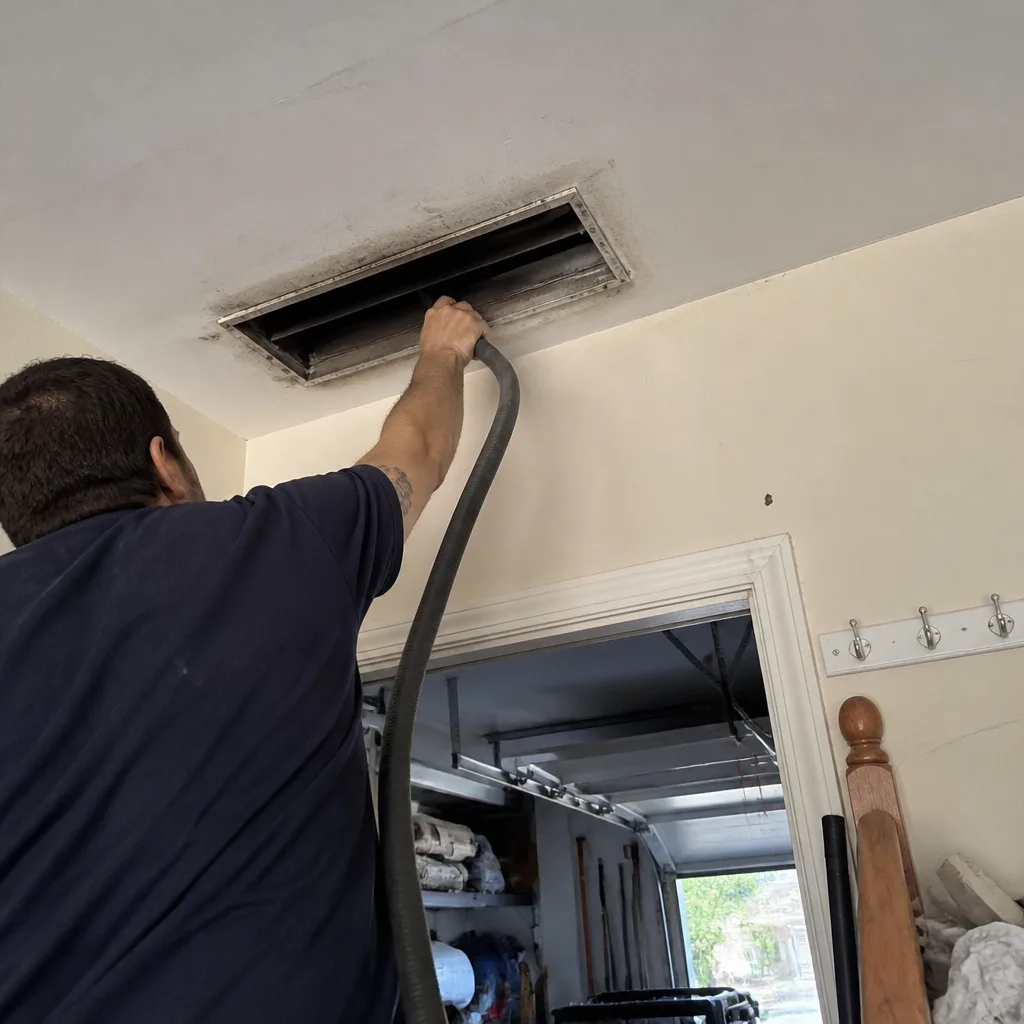 Before
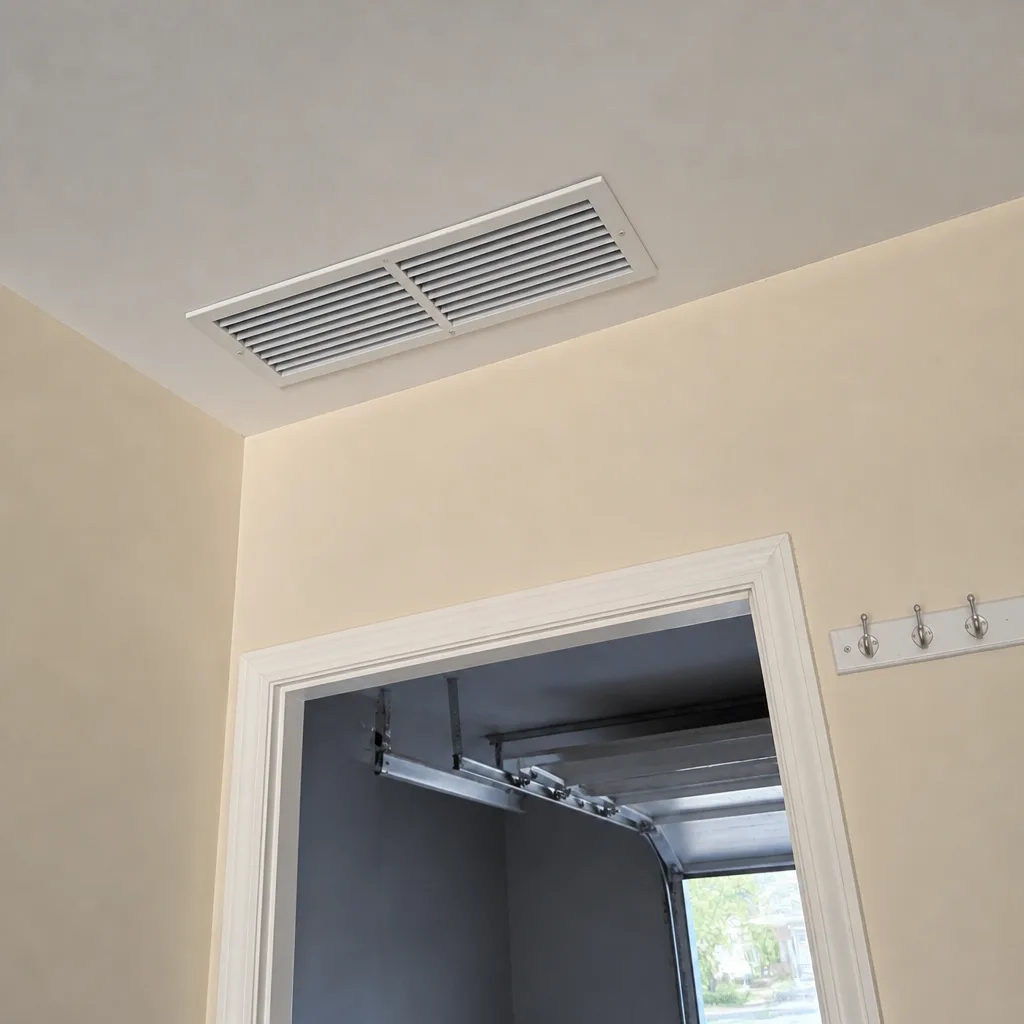 After
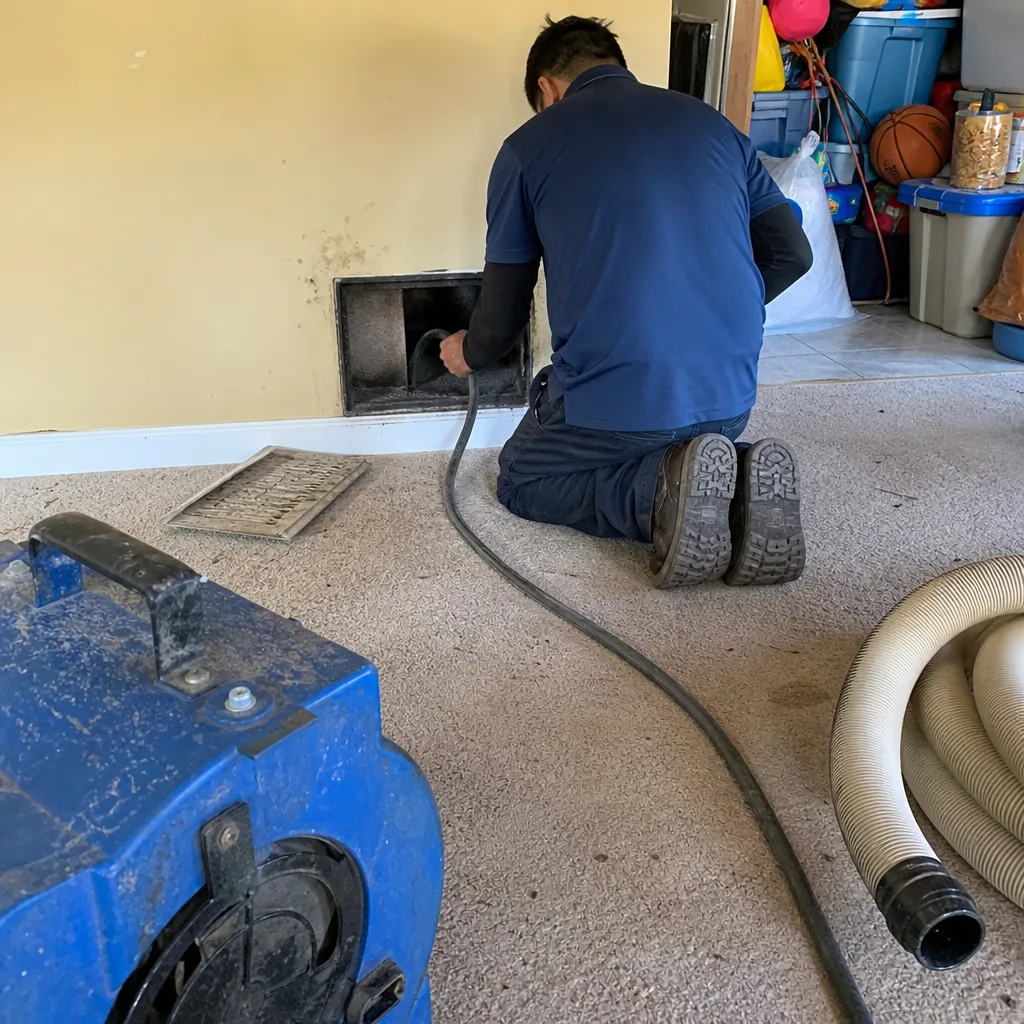 Before
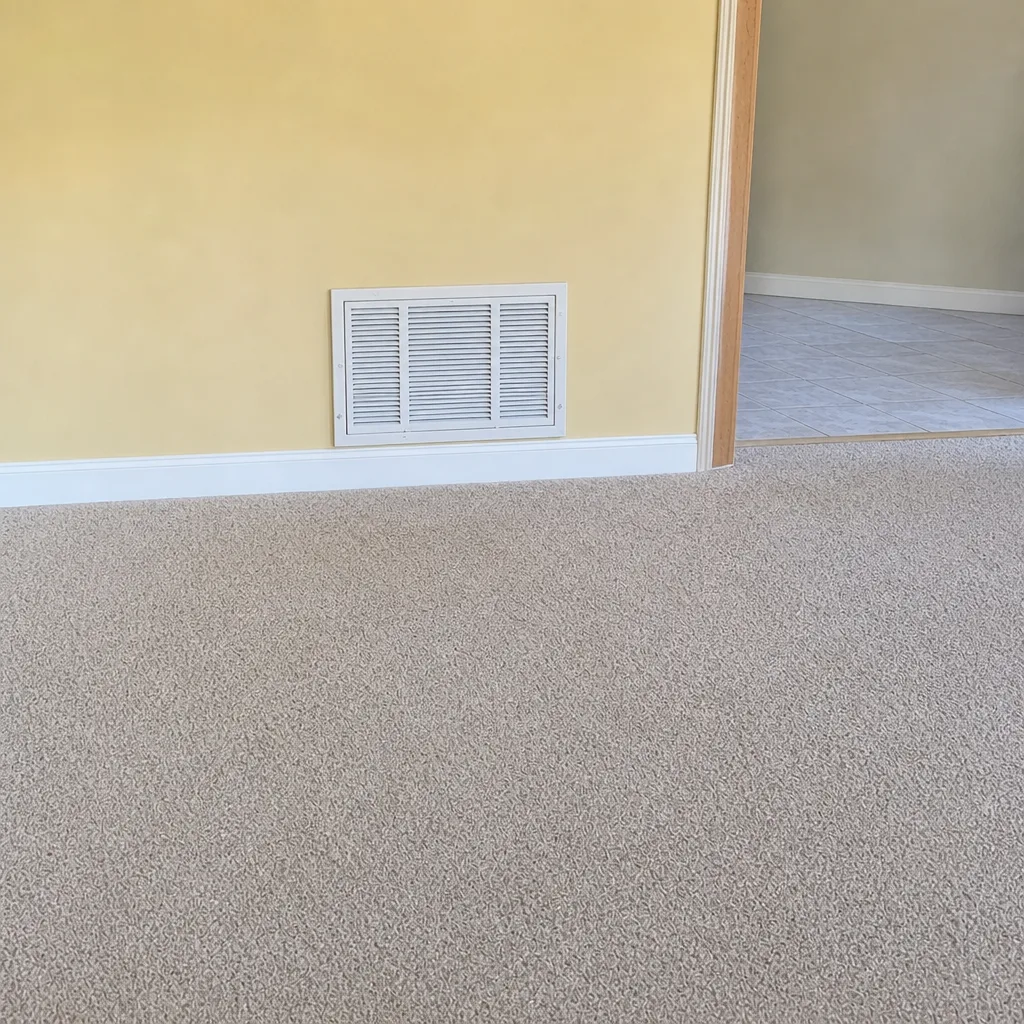 After
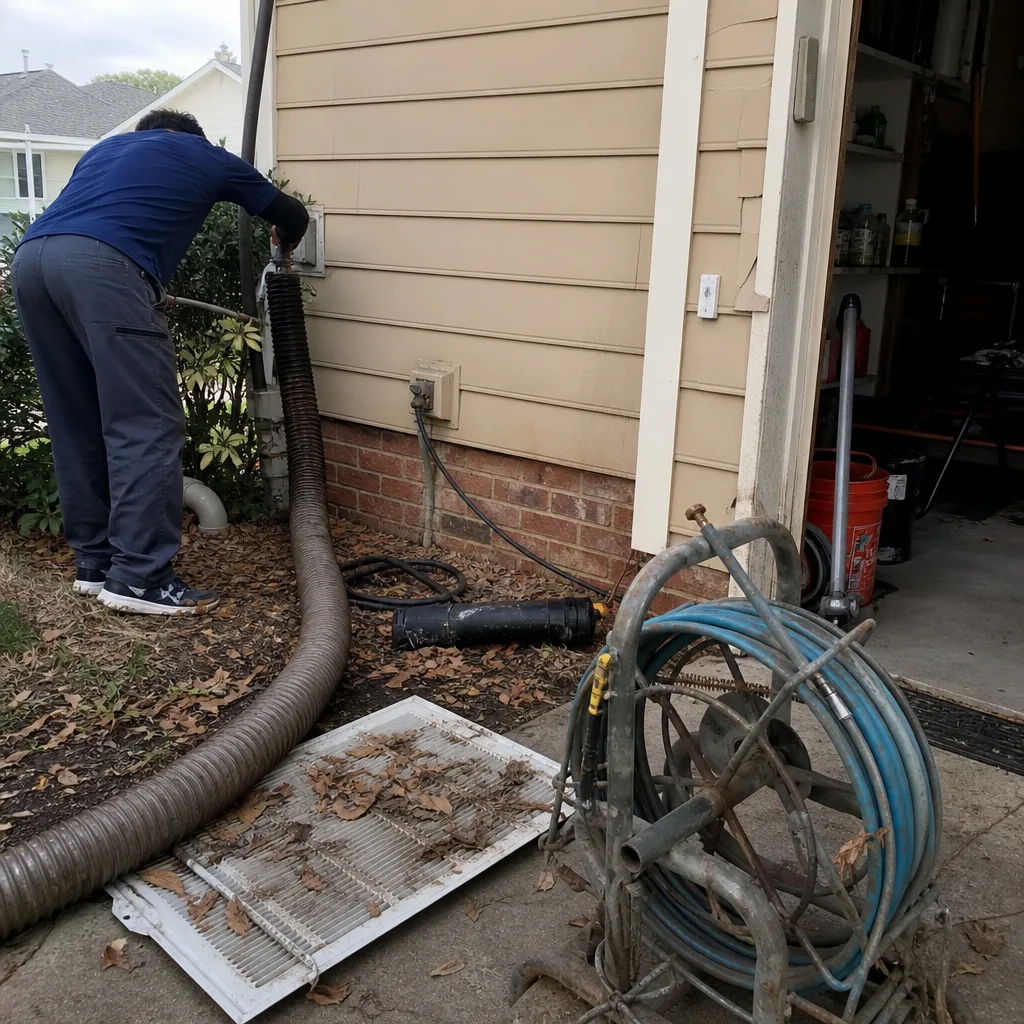 Before
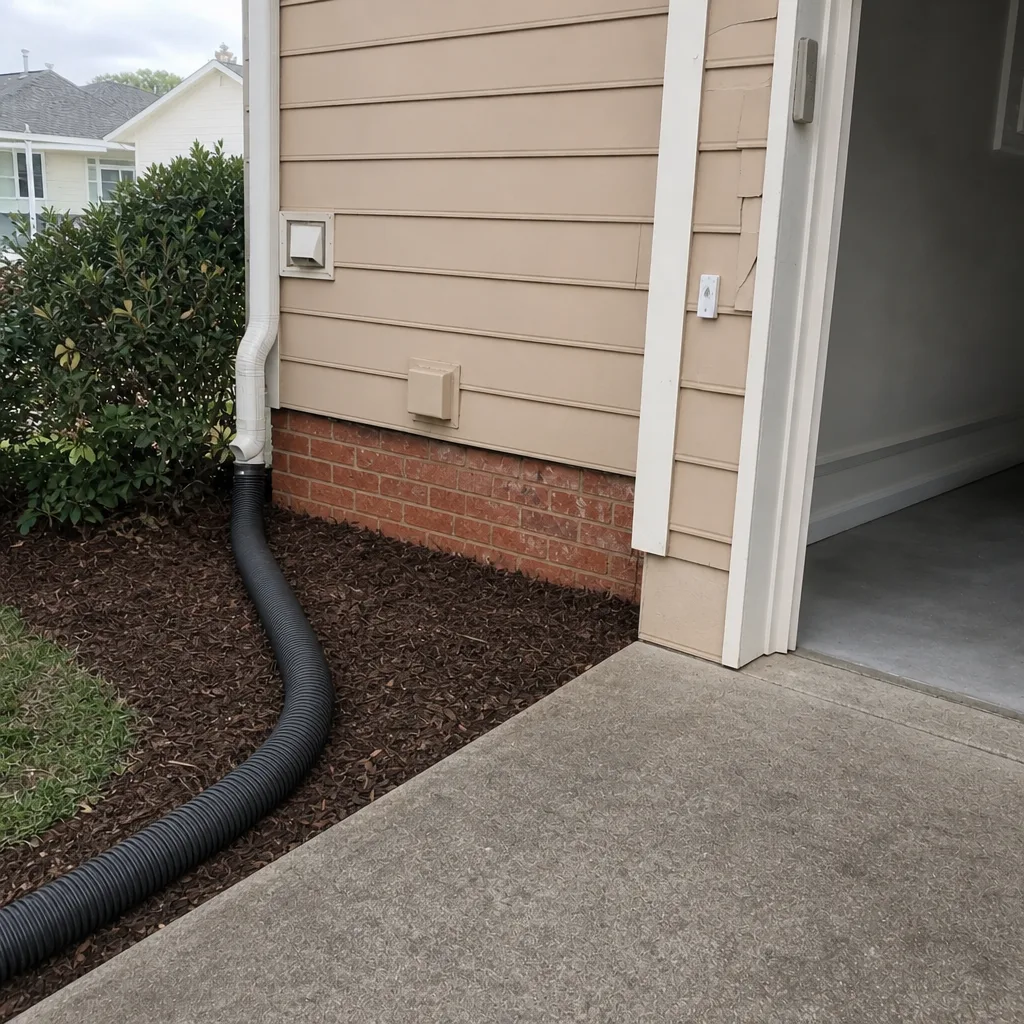 After
When to Call a Professional
Call a professional when any symptom persists after a cleaning, when you feel escaping air at duct joints, when a room stays uneven despite the duct being clean, when there’s a musty or chemical odor, or when you can see spotting beyond the register grille into the duct or air handler. These are the cases where diagnosis, sealing, or repair is the actual fix and a second cleaning is money spent on the wrong stage. Every job is scoped at a flat price per system agreed before work starts, and you get before-and-after photos of your own ducts. Our technicians have up to 12 years of experience diagnosing exactly these symptoms in Brier Creek homes. Call (833) 509-3460. We answer 24/7. Fast dispatch from 7am to 7pm, Sunday through Friday.
Frequently Asked Questions
You need cleaning if odors or visible contamination point to debris inside the duct, and you need sealing if you can feel escaping air at joints or a room stays weak while others are strong. A pressure check with the fan running is the fastest way to tell the difference. Call (833) 509-3460 for a free estimate and we’ll diagnose before quoting – the estimate is free.
A displaced, disconnected, or crushed flex run is almost always the cause, not leftover dirt. The duct serving that room is losing or restricting air before it reaches the register. A visual inspection of the run and an airflow reading at the register confirms it, and repair and sealing is the fix. Call (833) 509-3460 – estimates are free.
No. Grille-surface condensation and growth at the register boot can be localized and don’t automatically mean the duct interior is affected. Only an interior inspection tells you which you have. If growth does reach the duct or air handler, professional cleaning and sanitizing with Abatement Technologies equipment is the correct response. Call (833) 509-3460 for an inspection and free estimate.
Cheap quotes are usually per-vent or single-pass pricing that doesn’t include a diagnostic pressure check, extraction, or any sealing. The low number is real; the scope behind it is not a full-system clean. A whole-system flat price per system, with before-and-after photos, tells you what each quote actually covers. Call (833) 509-3460 – estimates are free.
Most homes need it when symptoms appear, not on a fixed calendar: persistent odors, visible debris at registers, or a recent renovation. Brier Creek’s humid summers make moisture-related growth more likely than in a dry climate, so a musty smell is the trigger to inspect rather than wait. Call (833) 509-3460 for a free estimate and we’ll tell you honestly whether you need it now.
Disconnected and crushed flex runs are repairable, and a whole new duct system is rarely the answer. Duct repair and sealing restore the pathway and recover the air loss, which is often the actual fix behind a comfort complaint. Call (833) 509-3460 – estimates are free, and we’ll scope the repair before recommending anything.
The Bottom Line
Most duct complaints in Brier Creek trace back to a specific failure point, not a vague “dirty air” problem. Debris odors point to cleaning. Musty smells point to moisture and sanitizing. Uneven rooms after a cleaning point to disconnected or crushed flex duct and sealing and repair. Visible register mold may be grille condensation or a system-level moisture issue, and only inspection tells you which. The fix is to match the symptom to the cause first, then pick the right stage of work. Seal the leaks, not just clean the ducts. Every job is a flat price per system agreed before work starts, with before-and-after photos as standard.
Written by the team at Air Duct Cleaning Brier Creek.