
Last updated November 23, 2026
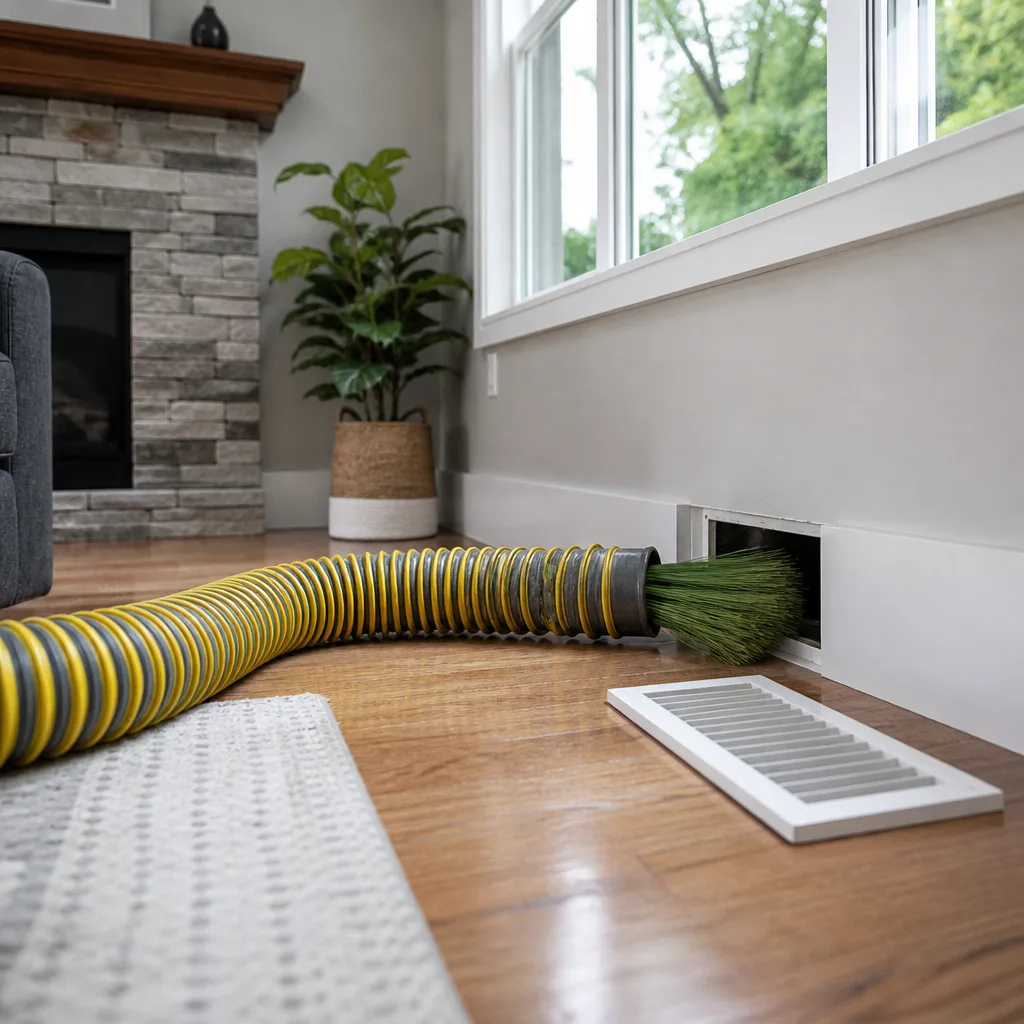 Whole-home duct cleaning
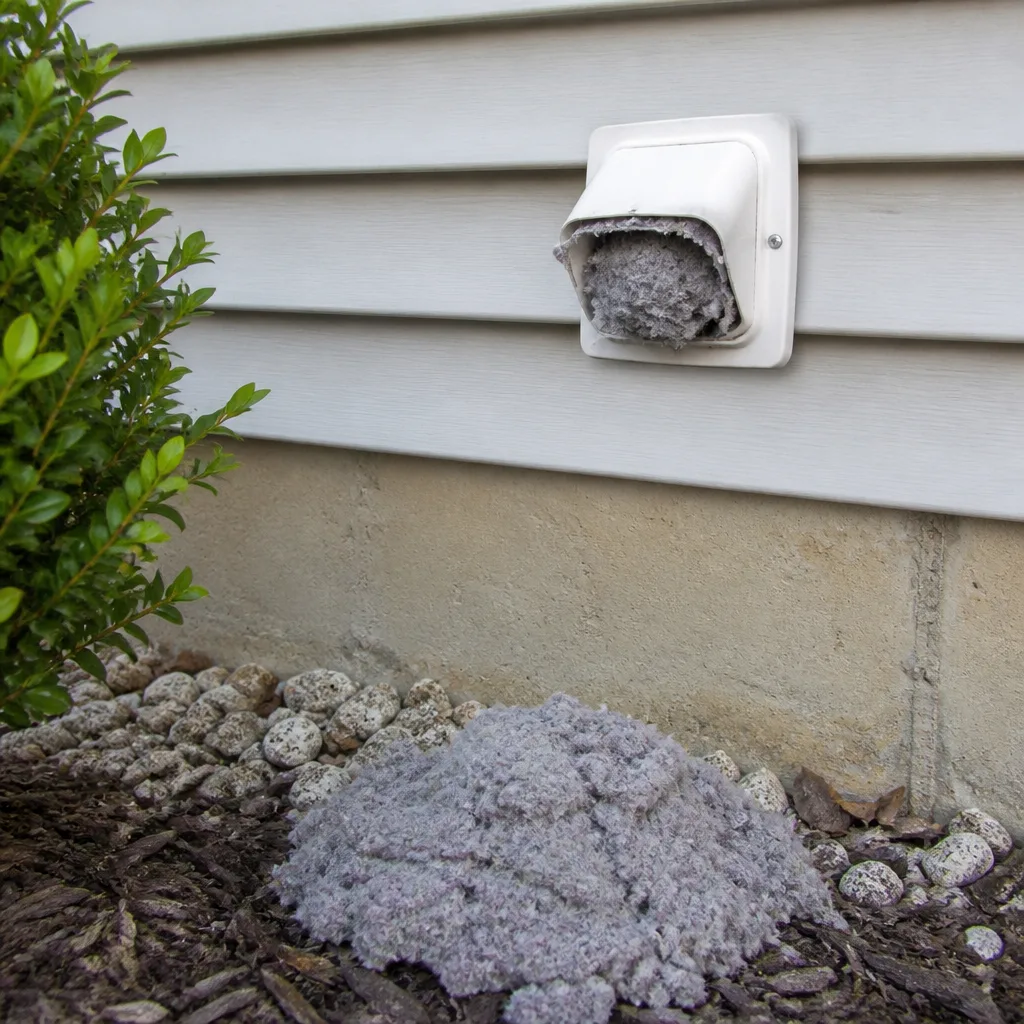 Dryer vent cleaning
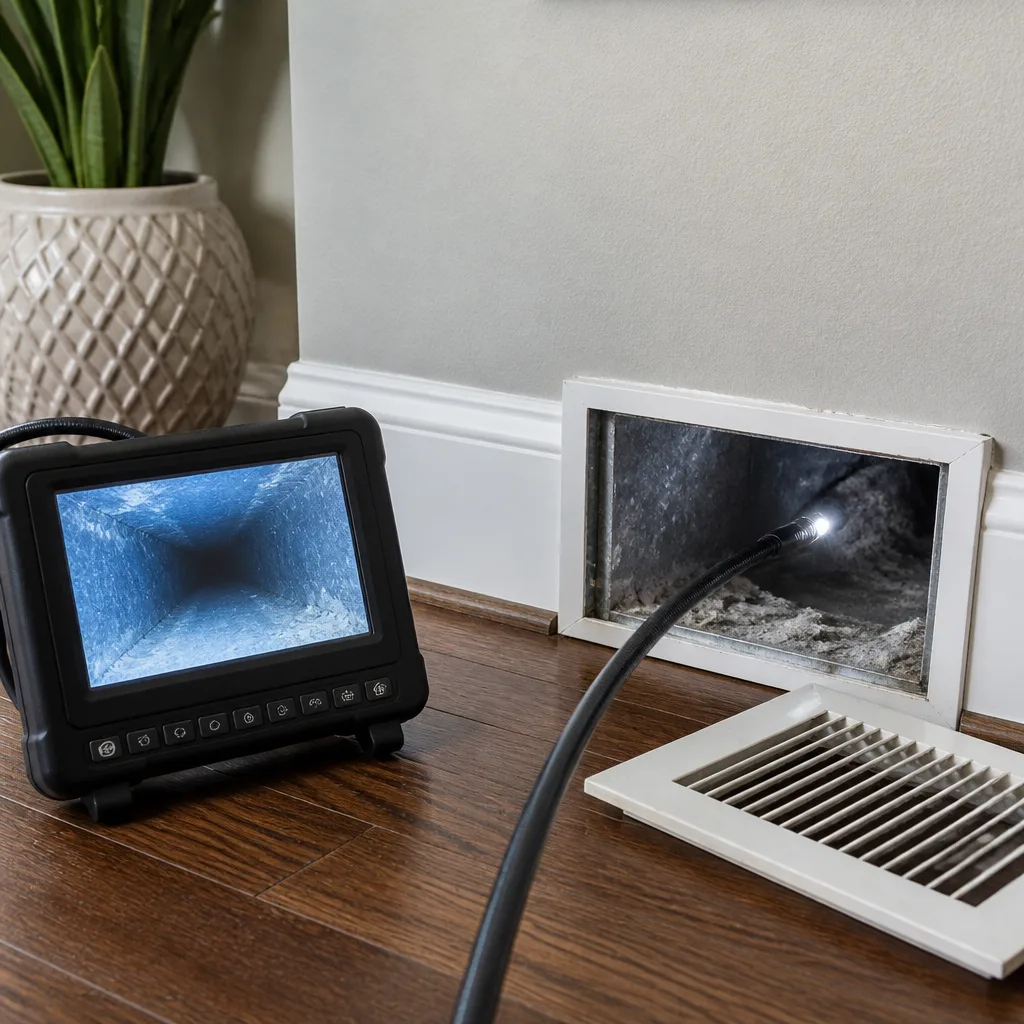 Camera inspection
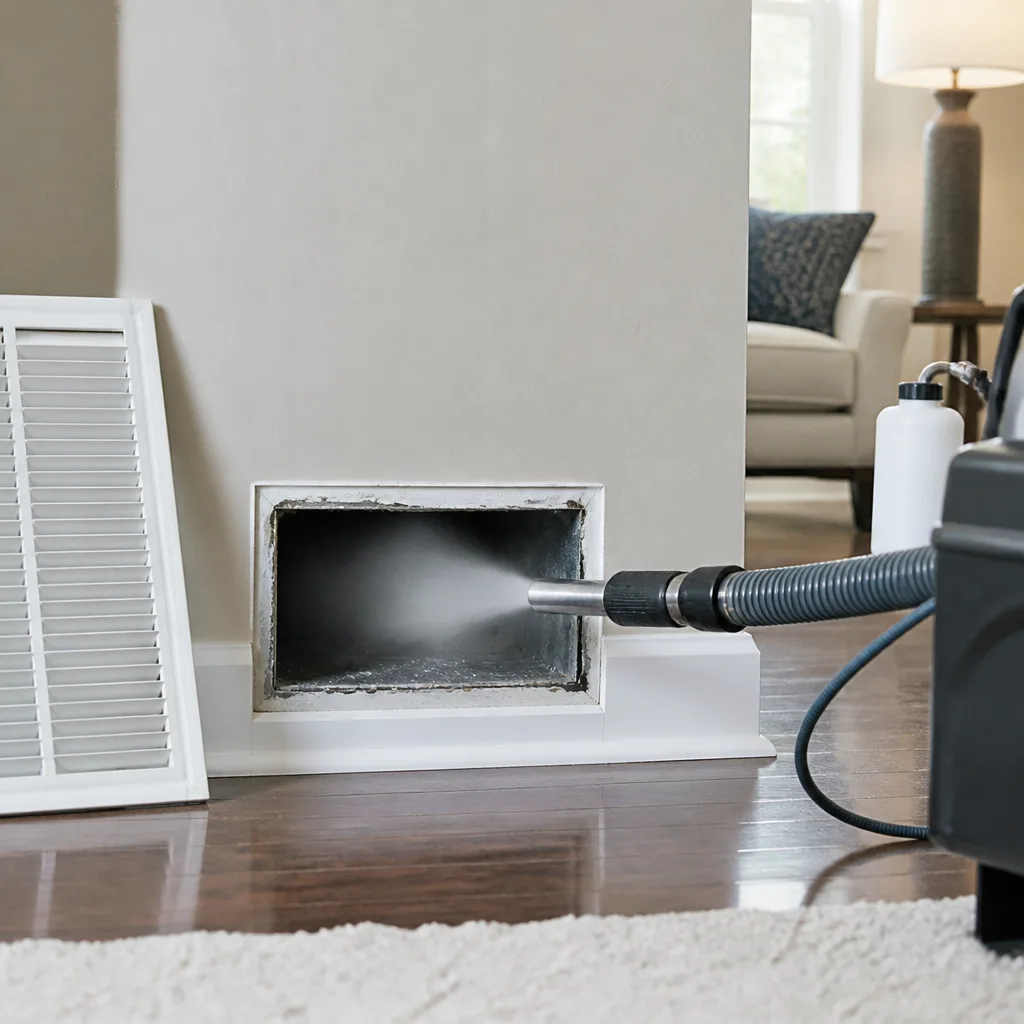 Sanitizing & deodorizing
Whole-system duct and dryer vent check with before-and-after photos - you see exactly what came out of your vents
That "$99 whole-house special" is a bait ad - the real number appears once they are in your hallway, or the "clean" is a shop-vac at the register. We photograph the inside of your ducts before and after instead.
How to Hire an Air Duct Cleaning Contractor in Brier Creek: A Step-by-Step Guide
The cheapest quote in this trade is usually the most expensive one. That sounds like a slogan, but there’s a mechanical reason behind it: proper duct cleaning requires equipment time, negative pressure, physical contact with duct interiors, and labor that a very low price point simply cannot cover. When a quote comes in far under the rest, something in that equation has been cut. In Brier Creek, seasonal coupon flyers tend to make the rounds right when people start thinking about allergies or heating season, and the pattern repeats. This guide walks you through how to evaluate a contractor before you commit: equipment specs, credentials, scope of work, red flags during the job, and the questions that separate a full-system cleaning company from a vacuum-and-quote operation.
Quick Answer
Hire an air duct cleaning contractor in Brier Creek by verifying three things before you book: the vacuum and agitation equipment they use (truck-mount or high-CFM portable extraction plus contact-based tools like a Rotobrush system), credentialing such as NADCA membership and adherence to the ACR standard, and a written scope of work that names vent counts, coil cleaning, and post-job inspection documentation. A quote given over the phone without knowing your system size is a warning sign. So is any price that doesn’t leave room for real equipment time.
Styles & brands we work with
- Whole-home duct cleaning
- Dryer vent cleaning
- Camera inspection
- Sanitizing & deodorizing
Table of Contents
- Why Brier Creek Homeowners Need a Vetting Process
- The Equipment Questions That Matter Most
- Credentials: What NADCA Membership and the ACR Standard Actually Require
- How a Credible Pre-Job Walkthrough Should Go
- What a Scope-of-Work Agreement Should Specify
- Red Flags During the Job Itself
- Common Mistakes to Avoid
- When to Call a Professional
Why Brier Creek Homeowners Need a Vetting Process
Air duct cleaning has one of the widest quality gaps of any home service. On one end are companies running negative-pressure extraction systems with contact agitation tools, taking before-and-after photographs, and cleaning both supply and return sides of the system. On the other end are operators who remove a vent cover, run a shop vacuum over what’s visible, and leave. Both can call the job “air duct cleaning.” The homeowner often can’t tell the difference until allergy symptoms persist or airflow stays uneven.
Brier Creek sits in a part of the Triangle that sees wide seasonal swings: humid, sticky summers and cool winters with the heat running for months. That pattern drives heavy use of both heating and cooling systems, which means dust, pet dander, and moisture cycling through ductwork over long stretches of the year. When ducts get that kind of consistent load, contamination builds on duct walls, not just near the registers. Surface cleaning doesn’t reach it. Contact-based agitation inside the duct chase does.
That’s the practical reason to vet a contractor carefully. It’s not about finding the person with the flashiest ad. It’s about confirming the equipment and process can actually reach the problem. For a deeper look at what a full cleaning involves, the air duct cleaning page covers the process in detail. The rest of this guide is about who to hire, and how to tell before they arrive.
The Equipment Questions That Matter Most
Equipment is the single most reliable filter you have. Ask what system the contractor runs and how it works. A real answer names specific equipment and describes how it’s deployed. A vague answer (“we use the latest technology”) tells you nothing.
What to ask
- Is the extraction system truck-mounted or portable? A truck-mount vacuum uses high airflow to put the duct system under negative pressure, pulling debris toward the collection point rather than into the room. Portable units can work well, but compare the airflow rating (CFM) rather than the label. Ask for the number.
- What agitates the duct interior? This is the part many homeowners skip. Compressed air whips or “skipper balls” knock debris loose. Contact tools like a Rotobrush system physically scrub the duct walls and then extract. Ask which method they use and whether it’s contact-based.
- How is the debris contained? Negative pressure plus sealed collection. If the technician isn’t sealing off vents and setting up containment, debris goes into the room. Ask how they handle that.
- What about the air handler and coil? Duct cleaning that skips the evaporator coil and plenum leaves a contamination source in place. Ask if coil cleaning is in scope or an add-on.
We run Rotobrush contact-cleaning systems combined with Nikro professional extraction equipment. That’s the combination that matters: agitation to lift debris off the duct walls, and high-volume extraction to pull it out of the system entirely. Consumer-grade vacuums and compressed-air-only cleaning can’t replicate that. For HVAC-side cleaning, the HVAC cleaning page explains how that work complements duct cleaning.
Credentials: What NADCA Membership and the ACR Standard Actually Require
Two credentials worth knowing: NADCA membership and the ACR standard (Assessment, Cleaning, and Restoration). These aren’t marketing badges. They tell you the contractor works inside a defined process.
NADCA, the National Air Duct Cleaners Association, publishes industry standards and requires members to adhere to a code of ethics and source-removal principles. Membership isn’t a government license, but it signals the contractor is operating within an established professional framework rather than improvising. Ask whether they’re a member and, if relevant to commercial work, whether their technicians hold the ASCS (Air Systems Cleaning Specialist) certification.
The ACR standard is the process document. It defines how a cleaning job should be assessed, contained, cleaned, and verified. The key concept is source removal: contamination is physically removed from the system, not just dislodged or masked. If a contractor can’t explain what source removal means in practical terms, they aren’t working to the standard. A sanitizer applied over a dirty system does not satisfy it. Cleaning comes first, sanitizing second.
Beyond credentials, ask about equipment familiarity. Do they stock and service specific air quality systems? Can they integrate filtration upgrades with a cleaning in one visit? We work with Honeywell and Aprilaire systems for that reason. It lets us address filtration at the same time the system is opened up, rather than sending the homeowner to a separate provider.
How a Credible Pre-Job Walkthrough Should Go
A credible contractor inspects before quoting. That walkthrough is where the real diagnosis happens, and it should take 20 to 30 minutes, not five.
- Count the vents. Supply and return registers get counted and recorded. That count drives the scope. A quote without it is guesswork.
- Inspect the air handler and plenum. The contractor should open the unit, look at the coil, and check the plenum and return chase for visible buildup or separation.
- Check duct seams and joints. Leaks at seams, joints, and connections waste conditioned air and draw in attic or garage air. This is where structural duct repair and sealing enters the picture.
- Look at the filter and the return. Filter condition and MERV rating tell the contractor what’s getting through and what the system is designed for.
- Test airflow where possible. Reading static pressure or airflow at registers gives a baseline for comparison after cleaning.
- Write the scope on paper. Vent counts, coil treatment, sanitizer, sealing, and what gets photographed. The quote follows the inspection, not the phone call.
If a contractor quotes you a flat number over the phone before seeing the system, you’re getting a guess. And a guess that only works in their favor once the technician is on site with a different, larger number.
What a Scope-of-Work Agreement Should Specify
Get the scope in writing. It’s the document that prevents the price from moving mid-job. Here’s what it should cover:
- Number of supply and return vents included in the job.
- Coil cleaning: whether it’s included or an add-on, and what method is used.
- Sanitizer application: whether a sanitizing service is included, and what product family. We use Abatement Technologies equipment and Guardsman-grade protective treatments as part of that process.
- Structural duct repair and sealing: whether leak-sealing is in scope. Cleaning without sealing leaves the same leaks pulling air back in.
- Post-job inspection documentation: before-and-after photographs and any airflow readings.
- Access and cleanup: who moves furniture, how floors and trim are protected, what condition the space is left in.
- Price: one agreed figure for the system, not a per-vent running tally that can climb.
The single flat price for the system, agreed before work begins, is the structure that protects you from the bait-and-switch pattern this industry is known for. No per-vent pricing. Before-and-after photos of your ducts on completion. That’s what the agreement should say.
Red Flags During the Job Itself
Even with a good quote, watch what actually happens once the technician is there.
- No containment or negative pressure setup. If debris is drifting out of vents into the room, the system isn’t sealed or the extraction isn’t doing its job.
- Shop vacuums or small portables as the only equipment. A shop vacuum can’t pull a full duct system into negative pressure. If that’s the only equipment on the property, it’s a surface clean.
- No vent covers removed. Cleaning the ducts requires access at each register. If covers stay on, nothing inside is being reached.
- No access opened at the air handler. The plenum and coil are part of the system. Skipping them leaves the source in place.
- Sanitizer sprayed without cleaning. Sanitizing over a dirty system doesn’t remove contamination. If a spray comes out before cleaning is complete, ask why.
- No photographs. A contractor documenting the work takes pictures. Ask for them at the end if they haven’t been offered.
- Scope creep mid-job. New line items added after the technician is on site, with pressure to approve them on the spot. A real scope is agreed before work starts.
The duct system is connected to every room in the house. A surface clean isn’t just ineffective; it can dislodge debris and leave it sitting in the system. If what you’re seeing looks like a vacuum pass and a spray, stop the job and ask questions.
Common Mistakes to Avoid
- Choosing on price alone. The lowest bid in the market almost always means the equipment time was cut. In Brier Creek’s seasonal coupon cycle, that low number tends to grow once the technician is in the home.
- Booking without a system walkthrough. Vent count, system size, and coil condition vary from house to house. A quote without an inspection is a placeholder, not a price.
- Skipping the credentials question. NADCA membership and ACR compliance tell you the contractor works inside a standard. If they can’t explain either, they’re outside the professional framework.
- Settling for surface cleaning. Visible vent cleaning is not duct cleaning. Ask how the interior of the duct is agitated and extracted, and demand specific equipment names.
- Ignoring leaks and joint damage. Duct repair and sealing are part of a full-system approach. Cleaning a leaky system and walking away leaves the loss in place.
- Not asking for before-and-after photos. Documentation is how you verify the work was actually done. If the contractor doesn’t photograph the ducts, there’s no record.
- Forgetting the dryer vent. The dryer vent is a fire-risk line, not just a lint chore. It runs on its own schedule; see dryer vent cleaning for how that service fits alongside duct work.
When to Call a Professional
Call a professional when you notice persistent symptoms that track with the HVAC system: allergy flare-ups that worsen when the air is running, a musty odor from the registers, uneven airflow between rooms, or energy bills climbing without an obvious cause. Visible dust puffing from a vent on startup is another signal that contamination is reaching the register face. For duct repair and sealing, call as soon as you see detached or damaged duct sections, or if rooms stay too warm or too cool regardless of thermostat settings. Air Duct Cleaning Brier Creek offers free estimates in Brier Creek; call (833) 509-3460. We answer 24/7. Fast dispatch from 7am to 7pm, Sunday through Friday. The estimate is free, and the local pro is licensed and insured as their state requires.
See the difference
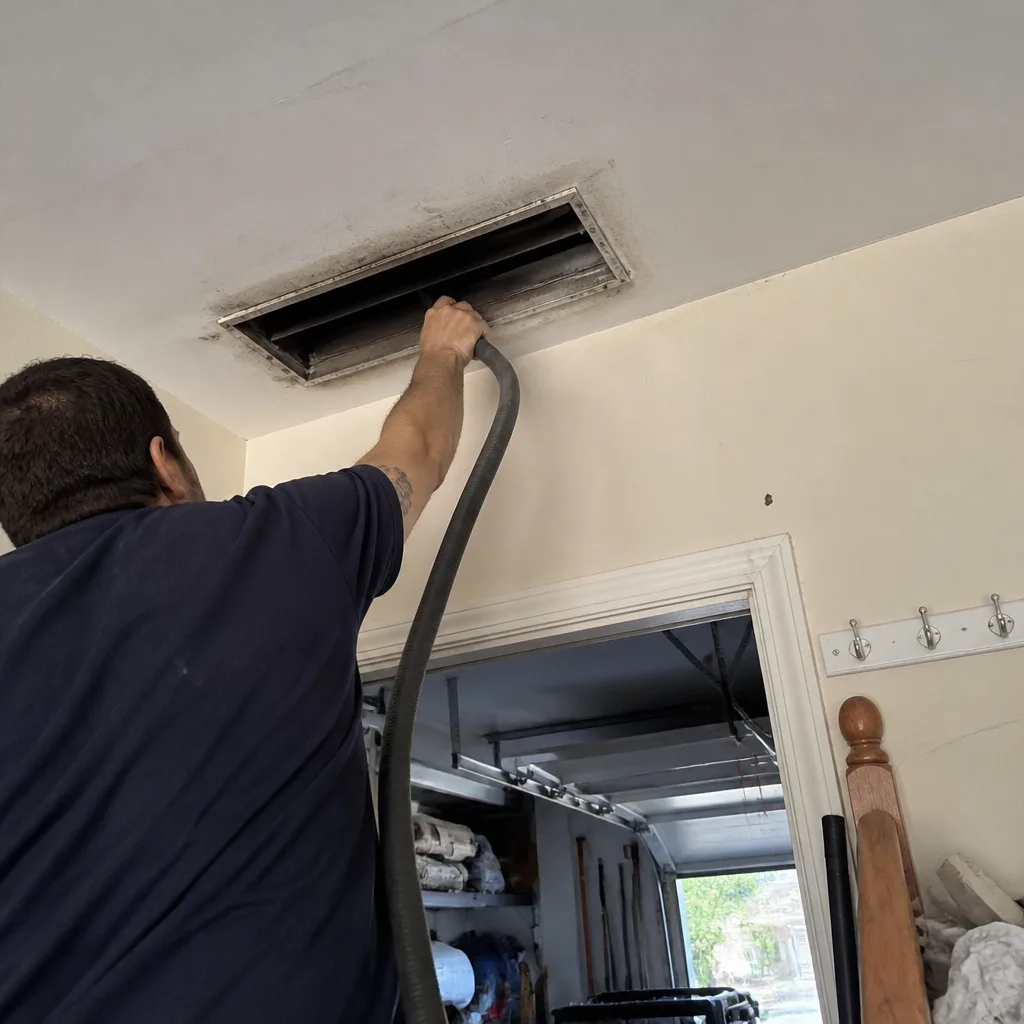 Before
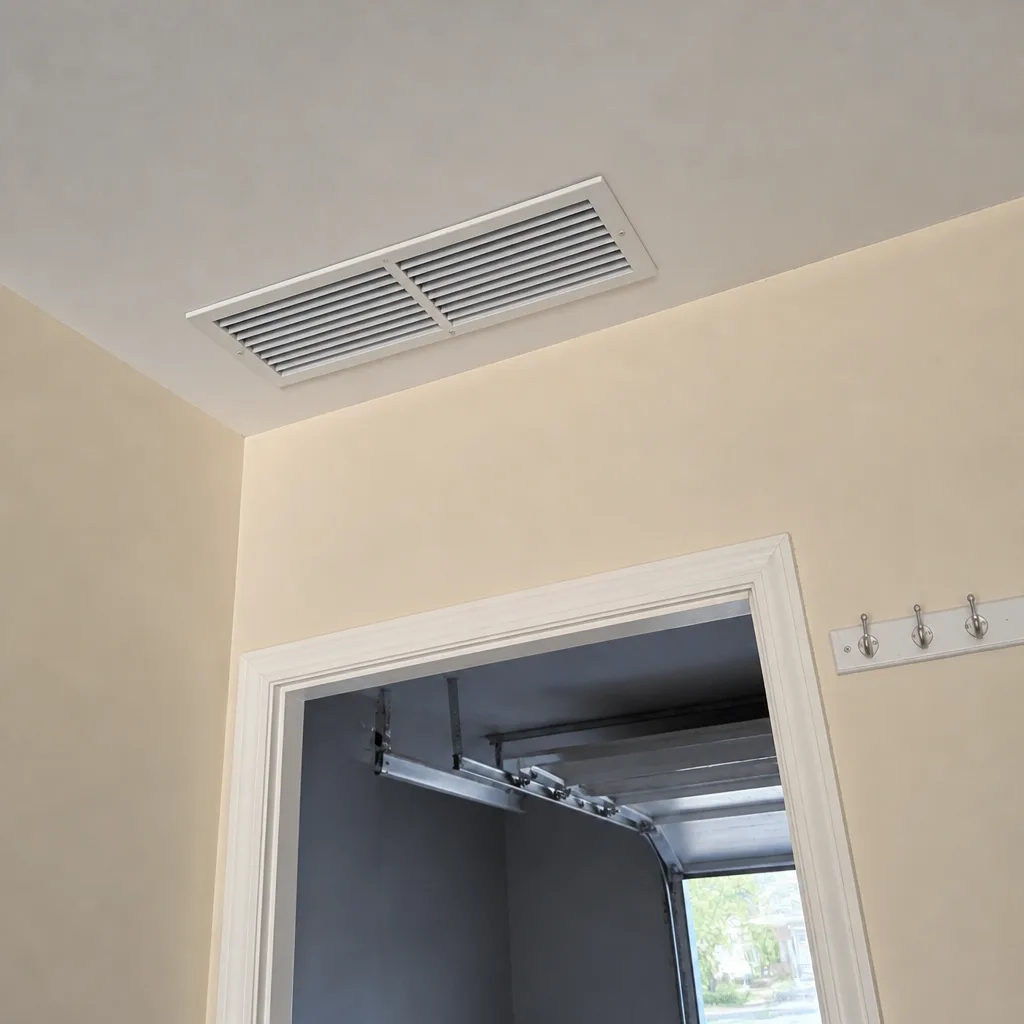 After
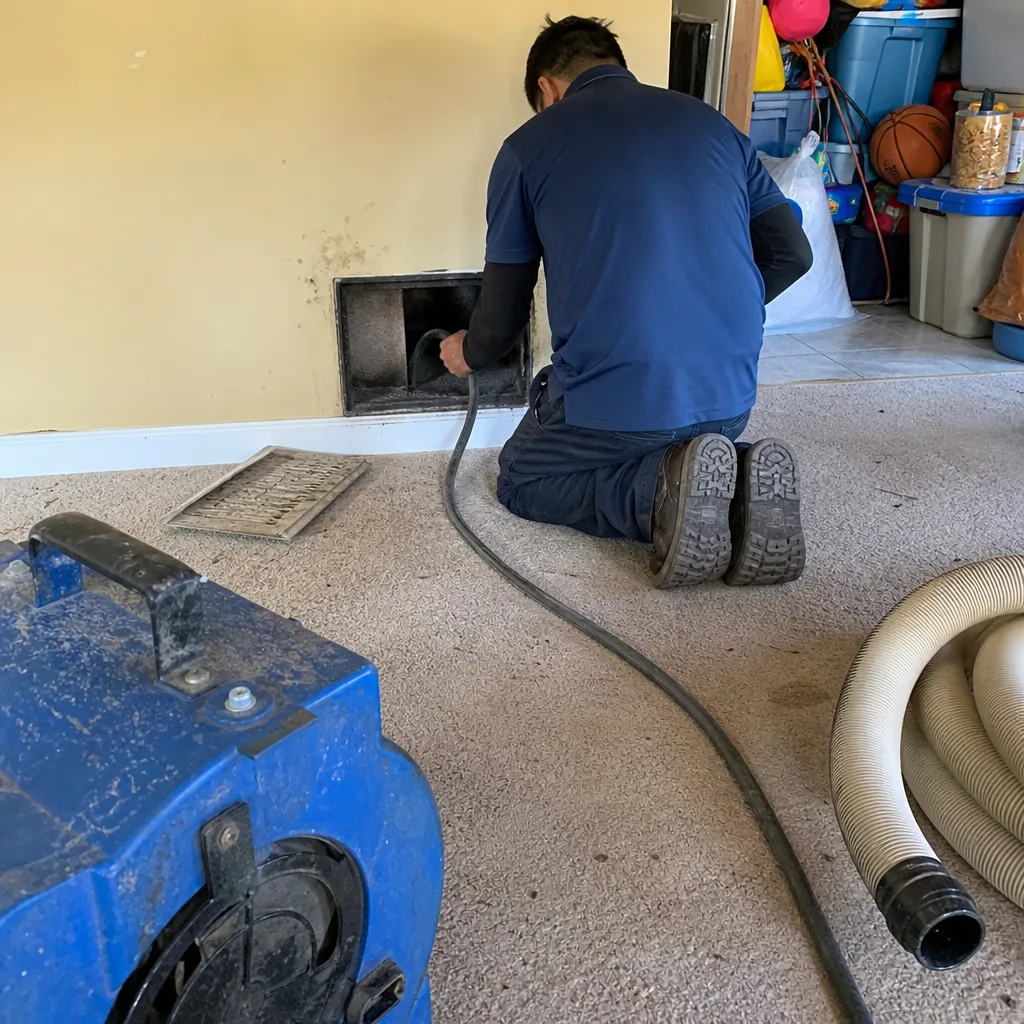 Before
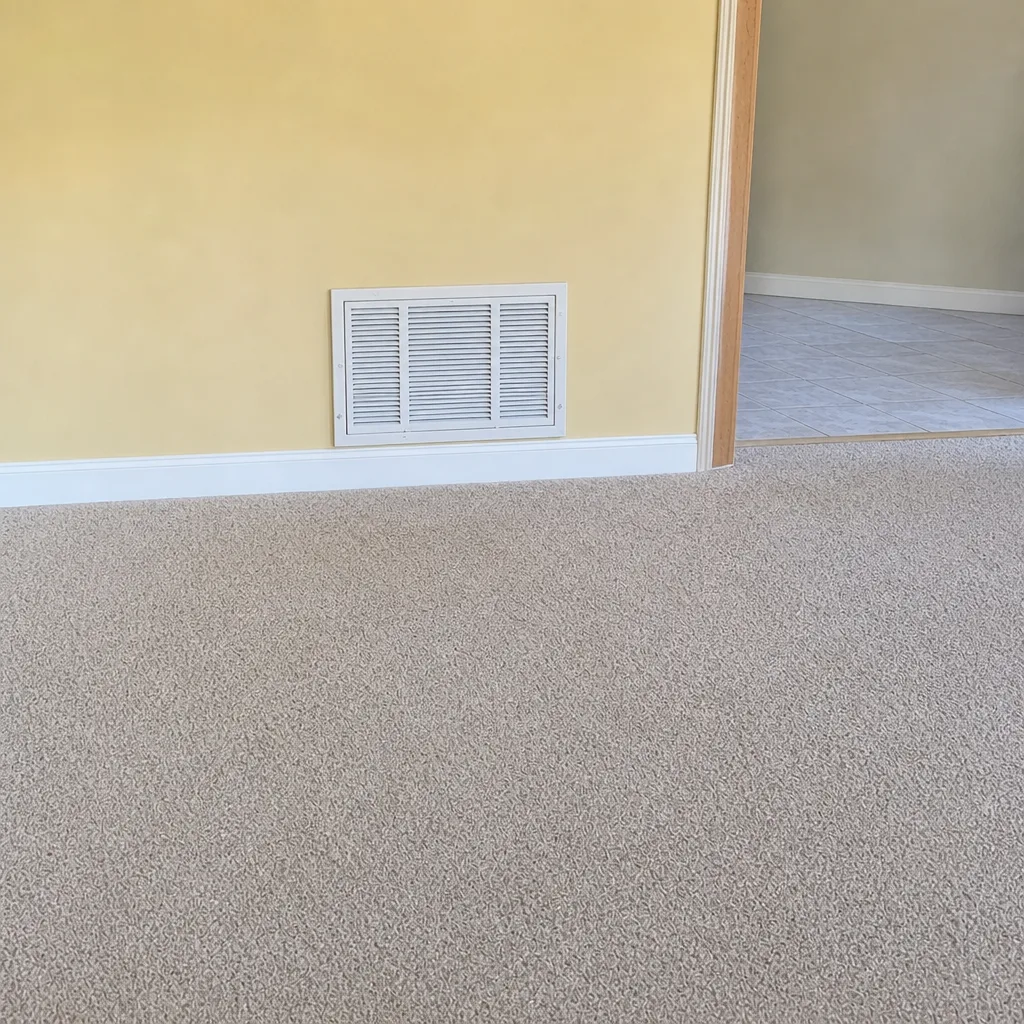 After
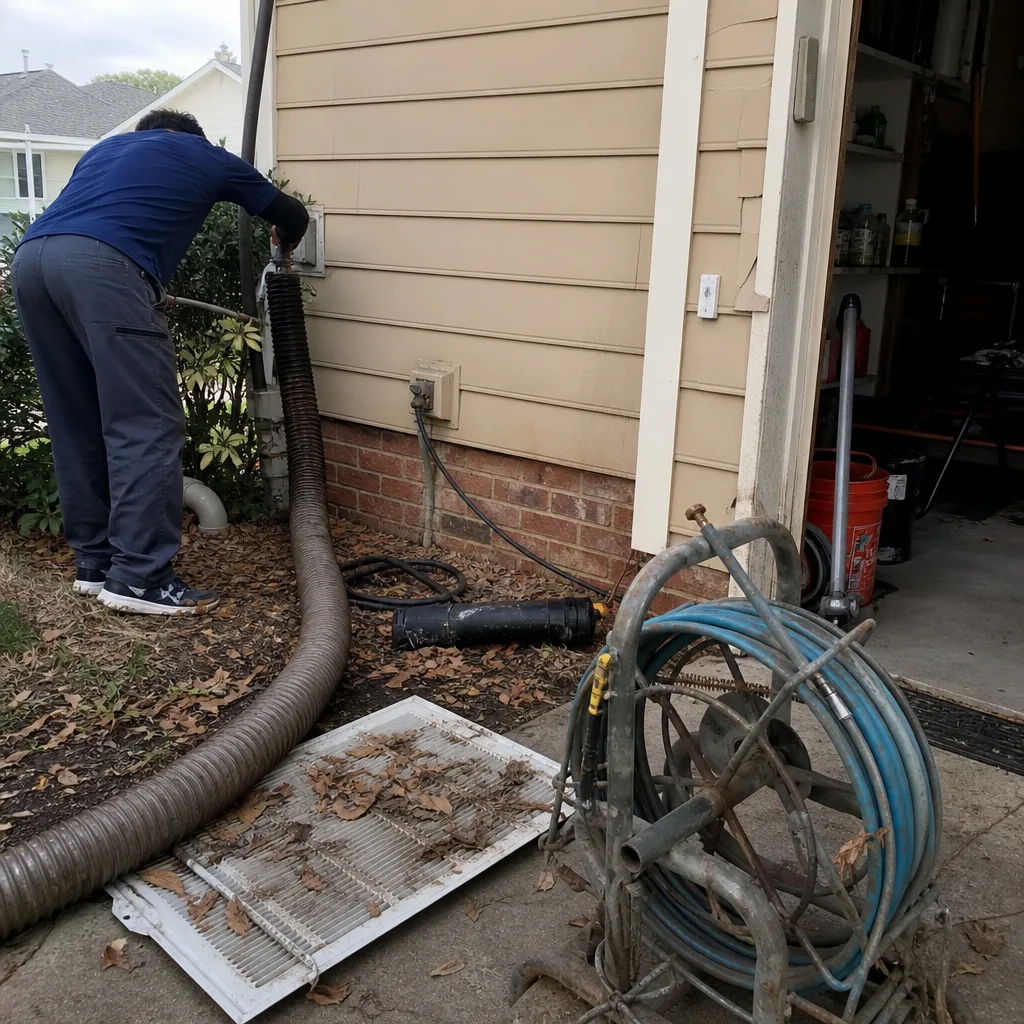 Before
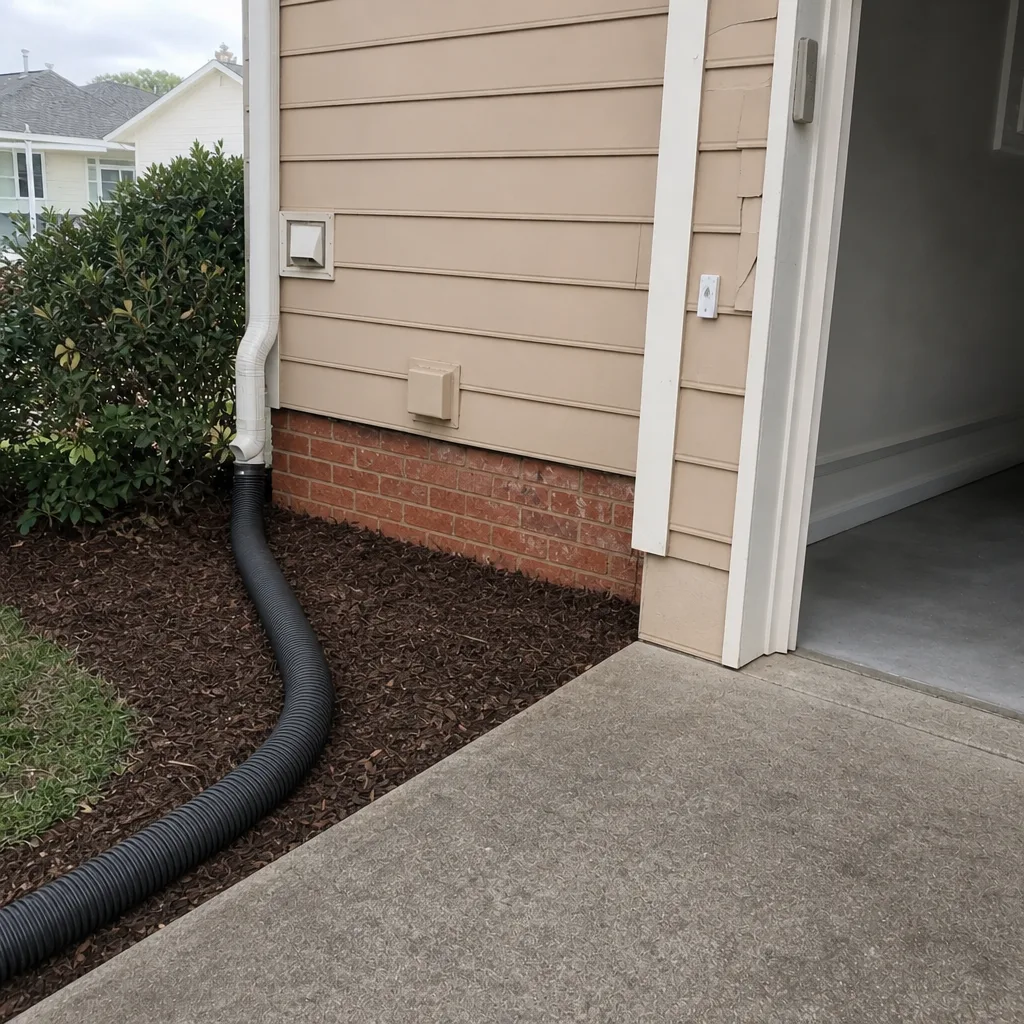 After
Frequently Asked Questions
There’s no single price, because system size, vent count, coil condition, and whether duct repair or sealing is needed all change the scope. What you should insist on is one flat price for your system, agreed in writing before work starts, with no per-vent tally that grows once the technician is on site. Any number quoted before a walkthrough is a placeholder. Call (833) 509-3460 for a free estimate; the written figure sets the final price.
Low quotes usually reflect a shorter, lighter process: less equipment time, compressed-air-only cleaning without contact agitation, no coil access, and no documentation. That’s been a known pattern in this industry, and it’s why the EPA has warned consumers about whole-house cleaning offers at price points that can’t cover a proper job. A quote that seems too good usually gets adjusted once the technician is in the home. One flat system price agreed in advance is the structure that prevents that. Call (833) 509-3460 for a written estimate.
Before-and-after photographs of your own duct interiors, plus a documented vent count matching the scope you agreed to. Ask for photos at the walkthrough, and compare the finished images to the scope. If the contractor can’t document the interior before and after, you have no way to verify the cleaning happened. We photograph every system we clean. Call (833) 509-3460 to schedule an estimate.
It’s one of the strongest signals available, yes. NADCA membership means the contractor adheres to a published standard and code of ethics, and it’s the closest thing the industry has to a professional baseline. Pair it with a stance on the ACR standard, which defines source removal and verification. Membership isn’t a government license, but it filters out a lot of operators. Ask any contractor you’re vetting whether they’re a member.
That’s a duct repair and sealing job, not just a cleaning. Leaking seams and separated joints waste conditioned air and draw unfiltered air in, and cleaning alone won’t fix that. Ask the contractor to inspect seams, joints, and connections during the walkthrough and put sealing in the written scope if it’s needed. Structural repair is part of a full-system approach. Call (833) 509-3460 to have the system inspected.
There’s no fixed calendar. Homes with pets, recent remodeling, water intrusion, or household members with respiratory sensitivity usually need it sooner than a low-occupancy home, and Brier Creek’s long heating and cooling seasons put steady load on the system. The practical approach is to have the system assessed and cleaned when symptoms, odor, or visible buildup show up, not on a fixed interval. Call (833) 509-3460 for an assessment and a free estimate.
The Bottom Line
Hiring a duct cleaner in Brier Creek comes down to a few verifiable questions. What equipment do you use, and how does it agitate and extract inside the duct walls? Are you NADCA members working to the ACR standard? Will you inspect the system and write a scope before quoting? Is there one flat price for the system, agreed in writing, with before-and-after photos on completion? And is structural duct repair and sealing part of what you do, so the leaks get fixed and not just cleaned around? A contractor who answers all of that clearly is the one worth booking. The rest are a phone call that gets more expensive once the technician’s inside.
Written by the team at Air Duct Cleaning Brier Creek.